
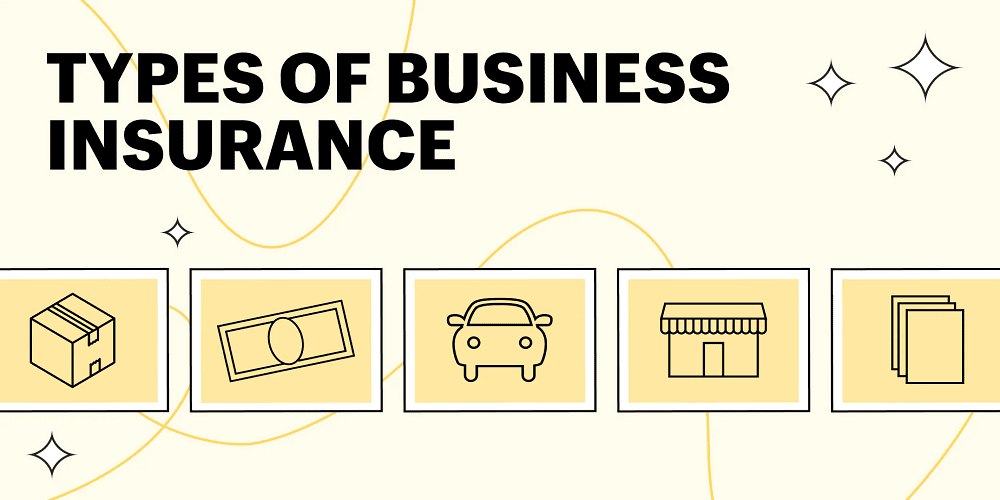
Running a business comes with opportunities, growth, and profits, but it also involves risks. A small mistake, natural disaster, cyberattack, employee injury, or legal claim can create serious financial problems for a company. This is why understanding business insurance types is essential for every entrepreneur, startup founder, and established company owner.
Business insurance helps protect companies from financial losses caused by unexpected situations. Whether you own a small retail shop, an online business, a construction company, or a large corporation, having the right insurance coverage can help your business survive difficult times.
Different industries face different risks, which is why there are many business insurance types available in the market. Some policies cover property damage, while others protect against lawsuits, employee injuries, or cyber threats. Choosing the right insurance policy depends on your business size, industry, location, and level of risk.
In this guide, you will learn about the most important business insurance types, how they work, why they matter, and how to select the best coverage for your company.
What Is Business Insurance?
Business insurance is a financial protection plan designed for companies and organizations. It helps businesses recover from losses caused by accidents, lawsuits, theft, fire, employee injuries, and other unexpected events.
When a covered incident occurs, the insurance company pays for certain expenses according to the policy terms. This reduces the financial burden on the business owner and helps the company continue operating smoothly.
Without proper insurance, businesses may face large out-of-pocket costs that can lead to bankruptcy or permanent closure.
Why Business Insurance Is Important
Many business owners believe insurance is only necessary for large companies, but that is not true. Small businesses often face even greater risks because they may not have enough savings to recover from financial losses.
Here are some major reasons why business insurance matters:
Financial Protection
Unexpected incidents can cost thousands or even millions of dollars. Insurance helps reduce these financial losses.
Legal Requirement
Certain business insurance types are legally required in many countries and states. For example, workers’ compensation insurance is mandatory in many regions.
Business Credibility
Clients, vendors, and partners often prefer working with insured businesses because it creates trust and professionalism.
Employee Security
Insurance policies help protect employees from workplace injuries and medical expenses.
Business Continuity
After disasters like fires or floods, insurance can help businesses recover quickly and continue operations.
General Liability Insurance
General liability insurance is one of the most common business insurance types. It protects businesses from third-party claims related to bodily injury, property damage, and advertising injuries.
For example, if a customer slips and falls inside your store, this insurance can help cover medical expenses and legal costs.
What It Covers
- Customer injuries
- Property damage
- Legal defense costs
- Advertising-related claims
- Medical payments
Who Needs It?
Almost every business should consider general liability insurance because lawsuits can happen in any industry.
Professional Liability Insurance
Professional liability insurance is also known as errors and omissions insurance. It protects businesses and professionals against claims of negligence, mistakes, or failure to deliver promised services.
This coverage is especially important for consultants, lawyers, accountants, doctors, and marketing agencies.
Common Situations Covered
- Professional mistakes
- Missed deadlines
- Inaccurate advice
- Negligence claims
Why It Matters
Even experienced professionals can make errors. A single lawsuit can damage a company financially and harm its reputation.
Commercial Property Insurance
Commercial property insurance protects physical business assets such as buildings, equipment, inventory, furniture, and tools.
If a fire damages your office or thieves steal equipment, this policy helps cover repair or replacement costs.
Covered Risks
- Fire damage
- Theft
- Vandalism
- Storm damage
- Certain natural disasters
Businesses That Need It
Any company with physical assets should consider commercial property insurance.
Workers’ Compensation Insurance
Workers’ compensation insurance provides benefits to employees who suffer work-related injuries or illnesses.
This policy usually covers medical expenses, lost wages, rehabilitation costs, and disability benefits.
Benefits for Employers
- Helps avoid lawsuits from injured employees
- Ensures compliance with labor laws
- Supports employee well-being
Benefits for Employees
- Financial assistance during recovery
- Coverage for medical treatment
- Wage replacement
Workers’ compensation is among the most important business insurance types because workplace injuries can happen in almost any industry.
Commercial Auto Insurance
Businesses that use vehicles for operations need commercial auto insurance. Personal vehicle insurance often does not cover business-related accidents.
Commercial auto insurance protects company-owned cars, vans, trucks, and delivery vehicles.
Coverage Includes
- Accident damage
- Vehicle theft
- Medical payments
- Liability claims
- Uninsured driver protection
Suitable For
- Delivery businesses
- Logistics companies
- Construction businesses
- Service providers using company vehicles
Business Interruption Insurance
Business interruption insurance helps companies recover lost income when operations stop due to covered disasters.
For example, if a fire forces a restaurant to close temporarily, this policy can help replace lost revenue and pay ongoing expenses.
What It Covers
- Lost income
- Rent payments
- Payroll expenses
- Temporary relocation costs
Why It Is Valuable
Without income protection, many businesses struggle to survive after disasters.
Cyber Liability Insurance
As businesses increasingly rely on digital systems, cyber liability insurance has become more important than ever.
This policy protects businesses from losses caused by cyberattacks, data breaches, and hacking incidents.
Common Cyber Risks
- Customer data theft
- Ransomware attacks
- Hacking
- Identity theft
- System failures
Businesses That Need It
Any business storing customer information online should consider cyber liability coverage.
Product Liability Insurance
Companies that manufacture, distribute, or sell products may face lawsuits if their products cause harm.
Product liability insurance helps protect businesses against claims related to defective or dangerous products.
Examples
- Faulty electronics causing injuries
- Contaminated food products
- Unsafe toys
- Defective machinery
Importance
Even small product issues can result in expensive lawsuits and recalls.
Commercial Umbrella Insurance
Commercial umbrella insurance provides extra liability coverage beyond existing policy limits.
If a lawsuit exceeds the limits of general liability or commercial auto insurance, umbrella insurance helps cover additional costs.
Advantages
- Higher protection limits
- Additional financial security
- Protection against major lawsuits
This is one of the most useful business insurance types for businesses with higher risk exposure.
Directors and Officers Insurance
Directors and officers insurance protects company executives from personal financial losses related to management decisions.
Shareholders, employees, or competitors may sue company leaders for alleged wrongful acts.
Coverage May Include
- Legal defense costs
- Settlements
- Mismanagement claims
- Regulatory investigations
Businesses That Often Use It
- Large corporations
- Nonprofit organizations
- Startups seeking investors
Employment Practices Liability Insurance
Employment practices liability insurance protects businesses from employee-related claims.
Modern workplaces face increasing legal risks involving employee treatment and workplace policies.
Covered Claims
- Wrongful termination
- Harassment
- Discrimination
- Retaliation
- Failure to promote
Why Businesses Need It
Even false accusations can result in expensive legal defense costs.
Inland Marine Insurance
Despite the name, inland marine insurance does not only relate to water transportation. It protects goods, equipment, and tools transported over land.
Examples of Covered Items
- Construction tools
- Mobile equipment
- Valuable inventory
- Equipment in transit
Useful For
- Contractors
- Photographers
- Transportation companies
Key Person Insurance
Key person insurance protects businesses from financial losses caused by the death or disability of an essential employee or owner.
If a key individual contributes significantly to business success, losing them could impact profits and operations.
Benefits
- Financial stability
- Business continuity
- Support during leadership transitions
Commercial Crime Insurance
Commercial crime insurance protects businesses against financial losses caused by criminal activities.
Covered Crimes
- Employee theft
- Fraud
- Forgery
- Robbery
- Cybercrime in some cases
Why It Matters
Internal fraud and theft can create major financial damage for companies.
Equipment Breakdown Insurance
Businesses relying on machinery and technology should consider equipment breakdown insurance.
This policy covers repair or replacement costs when important equipment fails unexpectedly.
Examples
- Air conditioning systems
- Manufacturing machinery
- Refrigeration units
- Computers and servers
Importance
Equipment failure can interrupt operations and reduce productivity.
Builder’s Risk Insurance
Builder’s risk insurance is designed for construction projects. It protects buildings and materials during construction.
Coverage Includes
- Fire damage
- Theft of materials
- Vandalism
- Weather-related damage
Suitable For
- Contractors
- Developers
- Property owners
Liquor Liability Insurance
Businesses serving alcohol may face lawsuits if intoxicated customers cause injuries or accidents.
Liquor liability insurance helps protect against alcohol-related claims.
Businesses That Need It
- Bars
- Restaurants
- Event venues
- Hotels
Choosing the Right Business Insurance
Selecting the right coverage requires careful planning and risk analysis.
Understand Your Risks
Identify possible threats related to your business operations, employees, customers, and industry.
Compare Insurance Providers
Research different companies, coverage options, and customer reviews before purchasing insurance.
Review Policy Limits
Ensure coverage limits are high enough to protect your business from major losses.
Read Policy Exclusions
Every policy has exclusions. Understanding them helps avoid surprises during claims.
Consult Professionals
Insurance agents and financial advisors can help determine the best coverage for your business needs.
Common Mistakes Businesses Make
Many companies make insurance-related mistakes that can create financial problems later.
Buying Minimum Coverage
Cheap policies may not provide enough protection during major incidents.
Ignoring Cyber Risks
Many small businesses underestimate the growing threat of cybercrime.
Not Updating Policies
As businesses grow, insurance needs also change.
Choosing Policies Only Based on Price
Low-cost insurance may offer limited coverage and higher deductibles.
Future Trends in Business Insurance
The insurance industry continues evolving due to technology and changing business risks.
Increased Cyber Coverage
Cyber insurance demand is growing rapidly because of digital threats.
AI and Risk Analysis
Insurance companies now use artificial intelligence for risk assessment and fraud detection.
Climate-Related Insurance
Natural disasters are increasing, leading businesses to seek broader environmental coverage.
Flexible Policies
Modern insurers are offering customized plans based on industry-specific risks.
How Small Businesses Benefit From Insurance
Small businesses often operate with limited resources, making insurance even more important.
Protection Against Lawsuits
Even a single legal claim can severely impact a small business financially.
Improved Business Reputation
Clients often trust insured businesses more than uninsured competitors.
Easier Contract Approvals
Some clients and landlords require proof of insurance before signing agreements.
Peace of Mind
Insurance allows owners to focus on growth instead of worrying about unexpected risks.
Conclusion
Understanding different business insurance types is essential for protecting your company from financial uncertainty. Every business faces risks, whether it is property damage, lawsuits, employee injuries, cybercrime, or operational interruptions.
The right insurance coverage helps businesses recover quickly, maintain stability, and continue growing even during difficult situations. From general liability insurance to cyber liability coverage, every policy serves a unique purpose.
Business owners should regularly review their insurance needs, compare providers, and update policies as operations expand. Investing in proper insurance today can save businesses from massive financial losses in the future.
No matter the size of your company, choosing the right business insurance types can provide security, confidence, and long-term business success.
FAQs
What are the main business insurance types?
The main business insurance types include general liability insurance, professional liability insurance, workers’ compensation insurance, commercial property insurance, cyber liability insurance, and commercial auto insurance.
Is business insurance legally required?
Some insurance policies are legally required depending on local laws and business operations. Workers’ compensation and commercial auto insurance are common examples.
Which insurance is best for small businesses?
General liability insurance is often considered essential for small businesses because it protects against common legal and injury claims.
What does cyber liability insurance cover?
Cyber liability insurance helps cover losses related to hacking, data breaches, ransomware attacks, and customer data theft.
How much does business insurance cost?
The cost depends on business size, industry, location, coverage type, and risk level.
Can home-based businesses get insurance?
Yes, home-based businesses can purchase specialized insurance policies for business equipment, liability, and operations.
Why is workers’ compensation important?
Workers’ compensation helps cover employee medical expenses and lost wages after workplace injuries.
What happens if a business has no insurance?
Uninsured businesses may face major financial losses, lawsuits, fines, and possible closure after unexpected incidents.
How often should businesses review insurance policies?
Businesses should review their insurance policies annually or whenever major operational changes occur.
Does business insurance cover natural disasters?
Some policies cover certain natural disasters, but separate coverage may be needed for floods, earthquakes, or other specific risks.










Leave A Comment
0 Comment