

Running a business involves more than just selling products or services—it requires protecting your assets from unexpected risks. One of the most essential yet often overlooked types of coverage is business personal property insurance. Whether you own a small shop, run a startup, or manage a large enterprise, understanding this insurance can help safeguard your investments and ensure business continuity.
In this detailed guide, we will explore everything you need to know about business personal property insurance, including what it covers, why it matters, how it works, and how to choose the right policy.
What is Business Personal Property Insurance?
Business personal property insurance (often abbreviated as BPP insurance) is a type of commercial insurance that protects the physical assets your business owns. These assets include items like furniture, equipment, inventory, electronics, and other movable property used in your daily operations.
Unlike real property insurance, which covers buildings and structures, business personal property insurance focuses on items that are not permanently attached to the building. For example, computers, desks, tools, and stock inventory all fall under this category.
Why Business Personal Property Insurance is Important
Every business depends on its physical assets to operate smoothly. Imagine a fire, theft, or natural disaster damaging your inventory or equipment. Without business personal property insurance, you would have to pay out of pocket to replace everything, which can be financially devastating.
Here are some key reasons why this insurance is essential:
- Protects your financial investment
- Helps your business recover quickly after a loss
- Covers unexpected damages or theft
- Provides peace of mind for business owners
- Often required for loans or leases
In short, business personal property insurance acts as a safety net that keeps your business running even during tough times.
What Does Business Personal Property Insurance Cover?
Business personal property insurance typically covers a wide range of items used in your business operations. These include:
1. Office Equipment
Items such as computers, printers, phones, and office supplies are covered under most policies.
2. Furniture
Desks, chairs, cabinets, and other office furniture are included.
3. Inventory
Products you sell or raw materials used in production are protected.
4. Machinery and Tools
Equipment used for manufacturing or service delivery is covered.
5. Electronics
POS systems, servers, and other electronic devices fall under coverage.
6. Fixtures (if removable)
Certain fixtures that are not permanently attached may also be included.
What is Not Covered?
While business personal property insurance provides extensive coverage, it does have limitations. Common exclusions include:
- Buildings or structural components
- Vehicles (covered under commercial auto insurance)
- Land and outdoor property
- Employee personal belongings
- Intentional damage or fraud
- Wear and tear or maintenance issues
Understanding these exclusions is crucial when selecting a policy so you can add additional coverage if needed.
Types of Risks Covered
Business personal property insurance generally protects against a variety of risks, including:
Fire and Smoke Damage
One of the most common claims involves fire damage. This insurance helps replace damaged assets.
Theft and Vandalism
If your business is burglarized, the policy can cover stolen items.
Natural Disasters
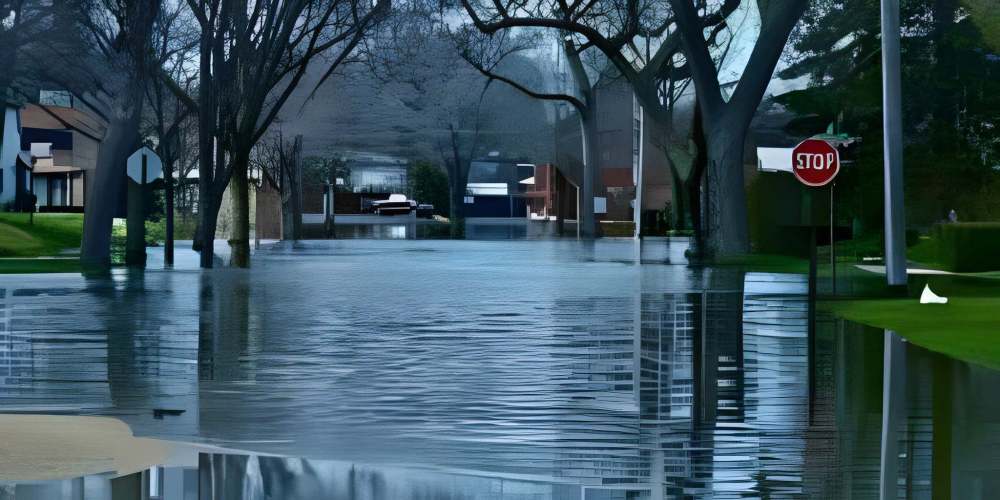
Events like storms, floods (with additional coverage), and earthquakes may be included or added.
Water Damage
Damage caused by burst pipes or leaks is often covered.
Accidental Damage
Unexpected incidents that damage property may also be included.
Replacement Cost vs Actual Cash Value
When purchasing business personal property insurance, you’ll need to choose how your assets are valued.
Replacement Cost
This option pays for the cost of replacing items with new ones of similar quality, without deducting depreciation.
Actual Cash Value
This option considers depreciation, meaning you receive the current value of the item, which is usually lower.
For most businesses, replacement cost coverage is recommended because it ensures you can fully restore your operations.
How Business Personal Property Insurance Works
The process is straightforward:
- You purchase a policy based on the value of your business assets
- You pay regular premiums (monthly or yearly)
- If a covered event occurs, you file a claim
- The insurer assesses the damage
- You receive compensation based on your policy terms
Proper documentation of your assets—such as receipts, photos, and inventory lists—can make the claims process faster and smoother.
Who Needs Business Personal Property Insurance?
Almost every business can benefit from this coverage. It is especially important for:
- Retail stores with inventory
- Offices with expensive equipment
- Restaurants with kitchen appliances
- Manufacturing units with machinery
- Freelancers with valuable tools or devices
Even home-based businesses should consider business personal property insurance, as homeowners insurance may not fully cover business assets.
How to Determine Coverage Amount
Choosing the right coverage amount is critical. Underinsuring your business can lead to financial loss, while overinsuring can increase costs unnecessarily.
Here’s how to estimate your coverage:
- Conduct a full inventory of business assets
- Calculate the replacement cost of each item
- Include seasonal inventory changes
- Account for future growth
It’s a good practice to review your coverage annually and update it as your business expands.
Factors That Affect Premium Costs
The cost of business personal property insurance varies depending on several factors:
Business Type
High-risk industries may pay higher premiums.
Location
Areas prone to natural disasters or crime may increase costs.
Value of Assets
The more valuable your assets, the higher the premium.
Security Measures
Installing alarms, cameras, and fire protection systems can lower premiums.
Coverage Limits and Deductibles
Higher coverage limits and lower deductibles typically increase costs.
Bundling with Other Insurance Policies
Business personal property insurance is often included in a Business Owner’s Policy (BOP), which combines multiple types of coverage, such as:
- General liability insurance
- Property insurance
- Business interruption insurance
Bundling policies can save money and simplify insurance management.
Tips to Choose the Right Policy
Selecting the right business personal property insurance policy requires careful consideration. Here are some tips:
- Compare multiple insurance providers
- Read policy terms and conditions carefully
- Understand exclusions and limitations
- Choose replacement cost coverage when possible
- Evaluate add-ons like flood or earthquake coverage
- Work with an experienced insurance advisor
Common Mistakes to Avoid
Many business owners make avoidable mistakes when purchasing business personal property insurance. Here are some to watch out for:
- Underestimating asset value
- Ignoring policy exclusions
- Not updating coverage regularly
- Choosing the cheapest policy without proper coverage
- Failing to document assets
Avoiding these mistakes can help you get the most out of your policy.
Business Personal Property Insurance for Small Businesses
Small businesses often operate on tight budgets, making insurance even more critical. A single incident could disrupt operations or lead to closure.
With business personal property insurance, small businesses can:
- Protect limited resources
- Ensure quick recovery after losses
- Build credibility with clients and lenders
- Reduce financial uncertain
Digital Assets and Modern Coverage Needs
In today’s digital world, businesses rely heavily on technology. While business personal property insurance covers physical devices, it may not cover data loss or cyber threats.
For complete protection, consider additional coverage such as:
- Cyber liability insurance
- Data breach insurance
- Equipment breakdown coverage
Claims Process: Step-by-Step
If a loss occurs, follow these steps:
- Report the incident immediately
- Document the damage with photos and videos
- Prepare a list of affected items
- Contact your insurance provider
- Cooperate with the claims adjuster
- Receive compensation based on policy terms
Quick action and proper documentation can significantly speed up the process.
Benefits of Business Personal Property Insurance
Here are the major benefits of having this coverage:
- Financial protection against losses
- Business continuity after disasters
- Reduced stress for business owners
- Compliance with lease or loan requirements
- Enhanced risk management strategy
Future Trends in Business Property Insurance
The insurance industry is evolving with technology. Some emerging trends include:
- AI-based risk assessment
- Digital inventory tracking
- Faster claim processing
- Customized coverage options
- Integration with smart security systems
Staying updated with these trends can help businesses choose more efficient insurance solutions.
Conclusion
Business personal property insurance is not just an optional expense—it is a crucial investment in the long-term success of your business. From protecting valuable assets to ensuring quick recovery after unexpected events, this coverage plays a vital role in risk management.
Whether you are starting a new venture or expanding an existing one, having the right business personal property insurance policy can provide financial stability and peace of mind. Take the time to assess your needs, compare options, and choose a policy that offers comprehensive protection.
FAQs
What is business personal property insurance?
Business personal property insurance covers movable assets like equipment, inventory, and furniture used in business operations.
Is business personal property insurance mandatory?
It is not legally mandatory, but it is often required by lenders or landlords and highly recommended for all businesses.
Does it cover damage from natural disasters?
It depends on the policy. Some disasters are covered, while others like floods may require additional coverage.
How do I calculate the value of my business property?
You can calculate it by listing all assets and estimating their replacement cost.
Can home-based businesses get this insurance?
Yes, home-based businesses can purchase business personal property insurance to cover assets not included in homeowners insurance.
What is the difference between BPP and building coverage?
BPP covers movable items, while building coverage protects the physical structure of the business property.
How often should I update my policy?
You should review and update your policy annually or whenever your business assets change significantly.
Does this insurance cover theft?
Yes, most policies include coverage for theft and vandalism.
What happens if I am underinsured?
If you are underinsured, you may not receive full compensation for your losses.
Can I bundle this insurance with other policies?
Yes, it is often bundled with other coverages in a Business Owner’s Policy (BOP).



















Leave A Comment
0 Comment