
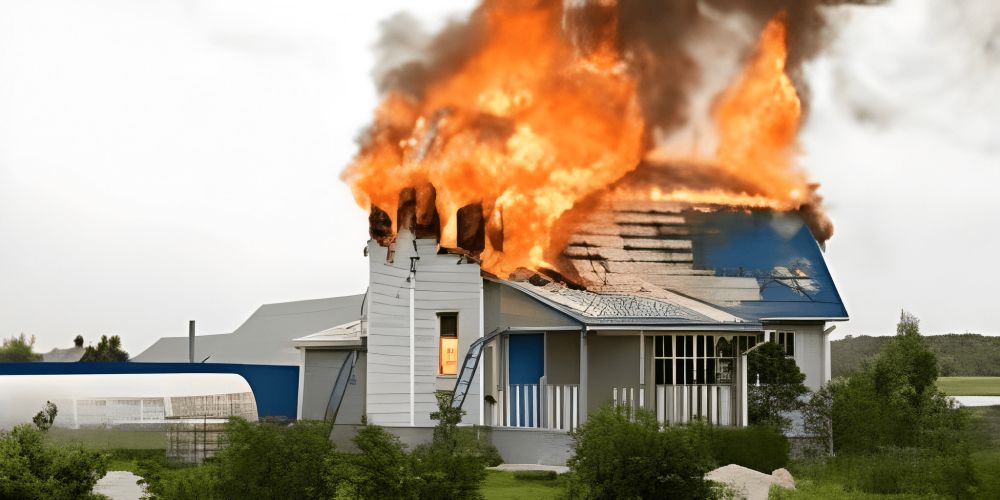
Homeowners often worry about unexpected disasters, and fire is one of the most devastating events that can damage or completely destroy a property. A common question many people ask is: does home insurance cover fire? The short answer is yes, but the full explanation is more detailed. Understanding what is covered, what is excluded, and how claims work can help you make better decisions and protect your property effectively.
In this comprehensive guide, we will explain everything you need to know about fire coverage in home insurance, including policy types, coverage limits, exclusions, and tips to maximize your protection.
What Is Home Insurance?
Home insurance, also known as homeowners insurance, is a financial protection policy that covers your house and belongings against risks such as fire, theft, natural disasters, and liability claims. It ensures that you don’t have to bear the full financial burden of damage or loss.
One of the most important components of any policy is fire coverage. So when asking does home insurance cover fire, it’s important to understand how policies are structured.
Does Home Insurance Cover Fire?
Yes, in most cases, home insurance policies do cover fire damage. Fire is considered a standard peril in almost all homeowners insurance plans. This means if your home is damaged or destroyed due to fire, your insurance provider will typically cover:
- Structural damage to the house
- Damage to personal belongings
- Temporary living expenses if the home becomes uninhabitable
- Additional structures like garages or sheds
However, coverage depends on the cause of the fire and the terms of your policy.
Types of Fire Coverage in Home Insurance
When understanding does home insurance cover fire, you should know the different areas of coverage included in a standard policy.
1. Dwelling Coverage
This covers the physical structure of your home, including walls, roof, floors, and built-in appliances. If a fire damages your home, dwelling coverage helps pay for repairs or rebuilding.
2. Personal Property Coverage
This protects your belongings such as furniture, electronics, clothes, and appliances. If a fire destroys your possessions, your insurer will compensate based on the policy terms.
3. Additional Living Expenses (ALE)
If your home becomes uninhabitable due to fire, this coverage pays for temporary accommodation, food, and other living expenses.
4. Other Structures Coverage
Detached structures like garages, fences, and sheds are also covered if damaged by fire.
Causes of Fire Typically Covered
When asking does home insurance cover fire, it’s important to know that most accidental fires are covered, including:
- Kitchen fires
- Electrical faults
- Gas leaks
- Lightning strikes
- Heating equipment malfunctions
As long as the fire is accidental and not due to negligence or intentional actions, your policy will likely cover the damage.
Fire Damage Not Covered by Home Insurance
Although the answer to does home insurance cover fire is generally yes, there are certain exclusions you must be aware of.
1. Intentional Fires (Arson)
If the homeowner deliberately starts a fire, the insurance company will not pay for the damages.
2. Negligence
If the fire occurs due to extreme carelessness, such as leaving a stove unattended for a long time, your claim might be denied.
3. War or Nuclear Hazards
Fires caused by war, nuclear incidents, or similar events are typically excluded.
4. Vacant Property
If your home is vacant for a long period and a fire occurs, some policies may not provide coverage.
How Fire Insurance Claims Work
Understanding the claims process is essential when discussing does home insurance cover fire.
Step 1: Inform Your Insurance Company
Immediately report the incident to your insurer after ensuring safety.
Step 2: Document the Damage
Take photos and videos of the damage. Prepare a list of lost or damaged items.
Step 3: File a Claim
Submit the necessary documents and claim form to your insurance provider.
Step 4: Inspection
An insurance adjuster will inspect the damage and assess the claim.
Step 5: Settlement
Once approved, you will receive compensation based on your policy coverage.
Replacement Cost vs Actual Cash Value
When evaluating does home insurance cover fire, you should also understand how compensation is calculated.
Replacement Cost
This pays the full cost to replace damaged items with new ones, without deducting depreciation.
Actual Cash Value
This pays the value of items after deducting depreciation, meaning you may receive less money.
Choosing replacement cost coverage offers better financial protection.
Importance of Fire Coverage in Home Insurance
Fire accidents can cause severe financial losses. Here’s why fire coverage is essential:
- Protects your biggest investment (your home)
- Covers rebuilding and repair costs
- Ensures financial stability after disasters
- Provides peace of mind
So when asking does home insurance cover fire, remember that this coverage is one of the most critical parts of any policy.
Tips to Ensure Maximum Fire Protection
To make the most of your policy, follow these tips:
1. Review Your Policy Regularly
Ensure your coverage amount matches the current value of your home and belongings.
2. Install Fire Safety Devices
Smoke detectors, fire alarms, and extinguishers can reduce risks and may lower premiums.
3. Avoid Underinsurance
Make sure your home is insured for its full replacement cost.
4. Maintain Electrical Systems
Regularly check wiring and appliances to prevent fire hazards.
5. Keep Documentation Safe
Store important documents digitally or in a fireproof safe.
Does Home Insurance Cover Wildfire Damage?
Yes, in most cases, wildfire damage is covered under standard home insurance policies. However, in high-risk areas, insurers may have special conditions or higher premiums.
So if you are in a wildfire-prone area, it’s important to confirm your policy details when asking does home insurance cover fire.
Does Home Insurance Cover Kitchen Fires?
Kitchen fires are one of the most common household incidents, and they are usually covered if accidental. However, repeated negligence might lead to claim rejection.
Does Home Insurance Cover Electrical Fires?
Yes, electrical fires caused by short circuits or faulty wiring are typically covered. However, lack of maintenance or outdated systems may affect your claim.
How Much Fire Coverage Do You Need?
To determine the right amount of coverage:
- Calculate the rebuilding cost of your home
- Estimate the value of your belongings
- Consider inflation and construction costs
- Choose replacement cost coverage for better protection
Common Mistakes to Avoid
When evaluating does home insurance cover fire, avoid these common mistakes:
- Not reading policy terms carefully
- Choosing low coverage to save money
- Ignoring exclusions
- Failing to update policy after renovations
- Delaying claim filing
Benefits of Having Fire Coverage
Here are some key advantages:
- Financial protection against major losses
- Quick recovery after disaster
- Coverage for both property and belongings
- Support for temporary living arrangements
FAQs
1. Does home insurance cover fire damage completely?
Yes, most policies cover fire damage, but the extent depends on your coverage limits and policy terms.
2. Does home insurance cover fire caused by negligence?
It may cover minor negligence, but extreme carelessness can lead to claim rejection.
3. Does home insurance cover fire due to electrical faults?
Yes, electrical fires are usually covered if they are accidental.
4. Does home insurance cover wildfire damage?
Yes, wildfire damage is generally covered unless specifically excluded in high-risk areas.
5. Does home insurance cover fire in a rented property?
If you are a tenant, renters insurance can cover your personal belongings, but not the building structure.
6. Does home insurance cover arson?
No, intentional fire (arson) by the homeowner is not covered.
7. How long does a fire insurance claim take?
It depends on the severity of damage and documentation, but it usually takes a few weeks to a few months.
8. Can I increase my fire coverage?
Yes, you can upgrade your policy or add endorsements for better protection.
Conclusion
So, does home insurance cover fire? The answer is yes, in most situations. Fire coverage is a fundamental part of home insurance policies and provides essential financial protection against unexpected disasters. However, the extent of coverage depends on your policy terms, coverage limits, and the cause of the fire.





















Leave A Comment
0 Comment