
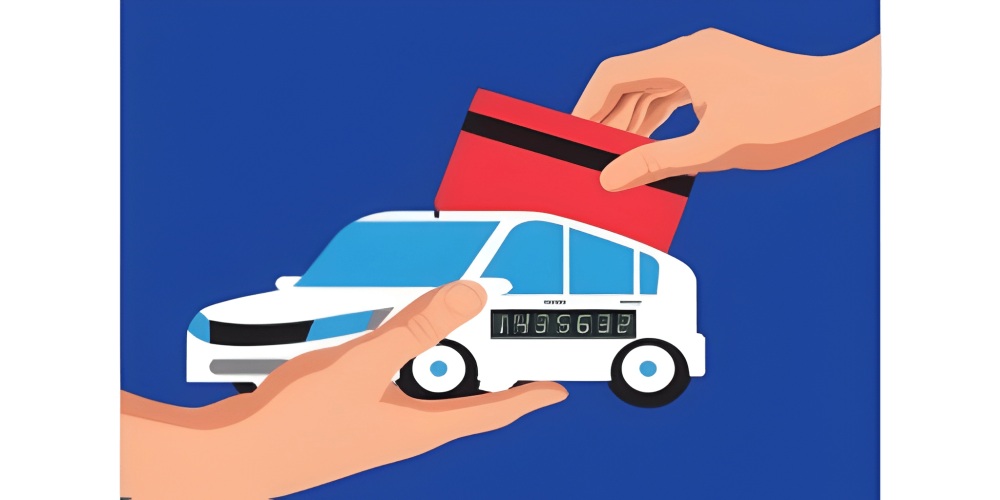
Let me ask you something. When was the last time you actually sat down and thought about how much you spend on car insurance? Not just the monthly number that auto-debits from your account. But the real cost per trip. Per errand. Per mile. For most people, that kind of thinking never happens. You pay your premium, you get your ID cards, and you move on with life. But here is the thing. If you are like a growing number of drivers who do not spend hours each day behind the wheel, you might be overpaying. By a lot. That is where pay as you go car insurance comes into the picture. It flips the old model on its head. Instead of guessing how much you will drive over the next six months or a year, you pay for what you actually use. Kind of like a utility bill. Or a pay as you go phone plan. It sounds simple because it is simple. But there is more beneath the surface, and if you are curious about saving money, you should keep reading.
For decades, the insurance industry worked on averages. They took millions of drivers, looked at how many miles those drivers logged each year, calculated the average risk, and then charged everyone a similar rate based on broad categories. Low mileage drivers subsidized high mileage drivers. That never seemed fair to the person who drives once a week to get groceries and maybe twice a month to visit friends. Why should that person pay the same as someone who commutes forty five minutes each way every single day? They should not. And now, thanks to technology and some innovative insurance companies, they do not have to. Pay as you go car insurance is designed specifically for people who keep their odometers turning slowly.
So how exactly does this work? You sign up with a provider that offers a pay as you go model. They send you a small device that plugs into your car's diagnostic port, or more commonly these days, they ask you to download a smartphone app. That app tracks your mileage. Some apps also track your driving habits like braking and acceleration, but that is more common in pay how you drive policies. Pure pay as you go car insurance is mostly concerned with one thing. Distance. Every mile you drive gets recorded. You pay a low daily or monthly base rate, usually somewhere between thirty cents and a dollar per day, and then you pay a few cents for each mile. Six cents per mile is typical, though it varies by state, by insurer, and by your personal driving record. At the end of the month, you get a bill. Drive three hundred miles, pay for three hundred miles. Drive fifty miles, pay for fifty miles. It is refreshingly transparent.
Now, who actually benefits from this arrangement? I will give you some real world examples because that is where this becomes useful. Think about retirees. They have paid their dues. They spent decades commuting and running kids to soccer practice. Now they drive to the pharmacy, the post office, and maybe a Sunday lunch spot. A traditional policy might cost them twelve hundred dollars a year. A pay as you go policy might cost them four hundred dollars. That is real money. Then you have students. A lot of college students keep a car on campus but only use it to drive home for holidays or to go on the occasional road trip. Most of the week, that car sits in a parking lot. Paying a full premium for that situation is just silly. Another group is remote workers. Since the pandemic, millions of people stopped commuting. They might drive to the gym, the grocery store, and a coffee shop. That is it. Their annual mileage dropped from fifteen thousand to four thousand overnight. But many of them never changed their insurance. They just kept paying the old rate. Pay as you go car insurance would cut their bill in half or more.
But let me be honest with you. This is not for everyone. If you drive more than about ten thousand miles per year, a traditional policy is probably cheaper. The math is simple. At six cents per mile, ten thousand miles would cost you six hundred dollars in mileage charges alone. Add a base rate of thirty dollars per month, which is three hundred sixty dollars per year, and you are at nine hundred sixty dollars. That is competitive. But if you drive fifteen thousand miles, your mileage cost jumps to nine hundred dollars. Add the base rate and you are over twelve hundred dollars. At that point, a standard policy with a low mileage discount might be better. So be honest with yourself about how much you actually drive. Track your miles for a month. Do not guess. People are terrible at guessing their own mileage. I have seen it happen where someone says oh I only drive about two hundred miles per month, and then you look at their odometer and they are actually at six hundred. That kind of mistake can turn a good deal into a bad one.
The technology piece makes some people nervous. I get it. The idea of a device or an app tracking your every move feels invasive to a lot of folks. You should know that most pay as you go car insurance apps only track location while the vehicle is moving. They are not monitoring your every step when you are walking around town. But still, you have to read the privacy policy. I know nobody likes reading those things. They are long and boring and full of legal language. But this matters. Some insurers have been known to share anonymized data with third parties for research or marketing purposes. That might not bother you. It might bother you a lot. Only you can decide. If you are deeply uncomfortable with any tracking at all, pay as you go car insurance is probably not for you. Stick with a traditional policy and ask about a low mileage discount instead. That discount does not require tracking. You just self report your annual mileage and sign a form.
There is another angle that people do not think about enough. Pay as you go car insurance can actually change your behavior. When you know that every mile costs you a nickel or six cents or seven cents, you start making different choices. Do you really need to drive to the corner store that is half a mile away? Probably not. You could walk. Do you need to take the car to lunch when your coworker is driving anyway? Probably not. Over time, these small decisions add up. You save money on insurance. You save money on gas. You save money on wear and tear. And you get a little more exercise. It is one of those rare situations where a financial incentive lines up perfectly with a health and environmental benefit. I am not saying you will suddenly become a different person. But the awareness matters.
Now let me clear up a few things that confuse a lot of people. Pay as you go car insurance is not the same as usage based insurance. Usage based insurance, sometimes called telematics or black box insurance, tracks your driving behavior and adjusts your rate based on how safely you drive. If you brake hard or accelerate quickly or drive late at night, your rate might go up. Pay as you go insurance is simpler. It only cares about miles. There is no penalty for driving at two in the morning. There is no penalty for slamming on the brakes to avoid a squirrel. The rate per mile is fixed regardless of how you drive. Some companies offer hybrid products that combine both models. Those can be good too, but they are different. Make sure you know what you are buying.
What about coverage levels? Can you get full coverage on a pay as you go policy? Yes. Most providers offer the same options as traditional insurers. You can get liability, comprehensive, collision, uninsured motorist, medical payments, and roadside assistance. The difference is not in what is covered but in how you pay for it. For comprehensive claims like theft or vandalism or weather damage, those events happen while the car is parked, so they are covered entirely by your base rate. That is a nice feature. You are not paying per mile for risks that have nothing to do with driving. For collision claims, you pay your deductible just like any other policy. There is no weird catch where you have to pay extra per mile after an accident. It works the same way.
I have talked to people who tried pay as you go car insurance and loved it. I have also talked to people who tried it and switched back. The ones who loved it were almost always driving under five thousand miles per year. The ones who switched back were either driving more than they realized or they had a bad experience with the app. App reliability is a real issue. Some apps drain your phone battery. Some apps fail to track trips accurately. Some apps crash in the middle of a long drive and then you have to manually enter your mileage. That is annoying. If you go this route, read recent customer reviews for the app. Not the reviews on the insurer's website. Those are cherry picked. Go to the app store. Look at the one star reviews. See what people are actually complaining about. If the same complaint appears over and over again, believe it.
Cost comparison is where most people get tripped up. Let me walk you through a realistic example. Suppose you drive four thousand miles per year. That is about seventy seven miles per week. Very reasonable for someone who works from home or does not commute. A traditional policy for that driver might be one thousand two hundred dollars annually. Now look at a pay as you go policy with a base rate of thirty dollars per month and a per mile rate of five cents. Thirty dollars times twelve months is three hundred sixty dollars. Four thousand miles times five cents is two hundred dollars. Total annual cost is five hundred sixty dollars. That is less than half of the traditional policy. The savings are huge. Now take the same driver but increase the mileage to eight thousand per year. Traditional policy might still be one thousand two hundred dollars. Pay as you go would be three hundred sixty dollars base plus four hundred dollars mileage for a total of seven hundred sixty dollars. Still cheaper. At ten thousand miles, pay as you go totals eight hundred sixty dollars. Still cheaper. At twelve thousand miles, pay as you go totals nine hundred sixty dollars. At that point, you are getting close to the traditional rate. But here is the thing. Most traditional policies do not give you a low mileage discount automatically. You have to ask for it. And even with the discount, you might still pay nine hundred dollars or more. So the break even point varies.
One thing that can ruin the deal is forgetting about taxes and fees. Some insurers add a small policy fee of two or three dollars per month. Others charge a one time activation fee for the device. A few charge a fee if you want a physical device instead of using the app. These fees are usually small, but they add up. When you compare quotes, ask for the total out of pocket cost including every fee. Do not just look at the base rate and the per mile rate. Those are the headline numbers, but the fees matter.
Let me tell you about a situation where pay as you go car insurance saved someone a lot of stress. A friend of mine had a second car that he only used for towing a small boat to the lake during summer. The rest of the year, that truck sat in his driveway. He was paying almost nine hundred dollars per year to insure a vehicle he drove maybe fifteen hundred miles annually. That is insane. He switched to a pay as you go policy. His base rate was twenty dollars per month. His per mile rate was six cents. Over the whole year, he paid two hundred forty dollars in base fees plus ninety dollars in mileage for a total of three hundred thirty dollars. He saved five hundred seventy dollars. That is not a small amount of money. That is a weekend trip or a nice dinner out once a month for a year. For a vehicle he barely used. That story is not unusual. A lot of households have a second or third car that just sits there. Insuring those cars traditionally is a waste.
Now for the legal and regulatory side. Not every state allows pay as you go car insurance. California has been slow to approve these products because of privacy concerns and strict rate filing requirements. New York and Texas are much more open. Florida has several options. Before you spend an hour comparing quotes, check whether this type of policy is available where you live. You can usually find this information on the insurer's website. If they ask for your zip code before showing you rates, that is a good sign. They will tell you right away if your state is not supported.
One more thing before we get to the FAQ. Pay as you go car insurance is not a good fit for rideshare drivers. If you drive for Uber or Lyft or DoorDash, you need commercial insurance or a specialized rideshare endorsement. A personal pay as you go policy will not cover you while you are driving passengers or delivering food. If you get into an accident during a rideshare trip and the insurer finds out, they will deny your claim. And they will find out. Do not try to hide it. That is fraud. Get the right coverage for the work you do.
Alright, let us answer some of the most common questions people ask when they first learn about pay as you go car insurance.
FAQ
What exactly happens if I drive way more miles one month than usual?
You simply pay for those extra miles at your regular per mile rate. Most policies do not have a penalty for high mileage months. However, some insurers include a daily cap or a monthly cap to protect you from extremely large bills. For example, if your policy has a daily cap of one dollar fifty, you will never pay more than that for any single day regardless of how many miles you drive. That cap makes long road trips much more affordable. Always ask if a cap exists before you sign up.
Does the coverage change when my car is parked versus when I am driving?
No. Your coverage remains the same at all times. The base rate covers the risk of theft, vandalism, fire, hail, flood, and other non driving events. The per mile charge covers the additional risk of being on the road. So even if you do not drive for a whole week, you are still protected against something happening to your parked car.
Can I switch back to a normal insurance policy if I do not like pay as you go?
Yes, absolutely. You are never stuck forever. You can switch at the end of your policy term without any penalty. If you want to switch in the middle of your term, you might have to pay a small cancellation fee. Read your contract to see what that fee is. Usually it is between twenty five and fifty dollars. Not a huge deal.
Is my personal information safe with the tracking app?
Most reputable insurers use strong encryption and follow industry standards for data protection. They typically do not sell your raw driving data to marketers. However, they might share anonymized and aggregated data for research purposes. Read the privacy policy. If you see language that says we may share your data with affiliates or partners, ask exactly what that means. If you are not comfortable with the answer, choose a different provider.
Will pay as you go car insurance work for a teenager or a new driver?
Yes, but the per mile rate might be higher. Insurers view young and inexperienced drivers as higher risk, so they often charge a higher per mile rate. That can still be cheaper than a traditional policy if the teenager drives very little. But you have to run the numbers. Also, some insurers require young drivers to use a more detailed tracking app that monitors behavior, not just mileage.
What if my phone runs out of battery during a trip?
Most modern apps use background location tracking that continues even if your phone goes into low power mode. But if the battery dies completely, the app will lose the ability to track. When you charge your phone and open the app again, it may ask you to manually enter the missing mileage or it may estimate the missing portion based on your starting and ending location. Some insurers allow you to edit trips. Others do not. Check the app's help section before you assume anything.
Are there any hidden fees I should watch out for?
Read the fine print. Common additional fees include a monthly policy fee of two to five dollars, a one time device fee of twenty to fifty dollars if you choose a plug in device instead of the app, and a reactivation fee if you cancel your policy and then restart it later. None of these are deal breakers, but you should know about them upfront.
How does the insurer verify my odometer reading?
The app or device tracks your mileage continuously. Every so often, usually every six months, the insurer will ask you to take a photo of your odometer through the app. This serves as a verification check. If the app's tracked mileage is very different from your odometer photo, the insurer may adjust your bill or investigate further. Most of the time, the two numbers match closely.
Can I use pay as you go car insurance on a rental car?
No. Pay as you go policies are tied to a specific vehicle that you own or lease. They do not cover rental cars. For rental cars, you need either the rental company's insurance or a credit card that provides rental coverage. Do not assume your pay as you go policy covers anything outside your own vehicle.
What is the difference between pay as you go and pay per mile? Are they the same thing?
Yes, those terms are used interchangeably. Some insurers call it pay as you go, others call it pay per mile, and a few call it low mileage insurance. They all refer to the same basic idea. You pay a base rate plus a per mile charge. Just avoid confusing it with usage based insurance, which tracks behavior. That is a different product.
So after all of that, what is the bottom line on pay as you go car insurance? It is a fantastic option for a specific type of driver. You need to be honest about your mileage. You need to be comfortable with a tracking app. You need to live in a state where it is offered. And you need to compare quotes from at least three providers because the rates vary more than you would expect. If those conditions are met, you can save hundreds of dollars per year without giving up any coverage. That is not a gimmick. That is just better math. The old model assumed everyone drove the same. You and I both know that is not true. So why keep paying like it is? Give pay as you go car insurance a serious look. Run your numbers. Check your odometer today. You might be surprised at how much you have been overpaying.














Leave A Comment
0 Comment