
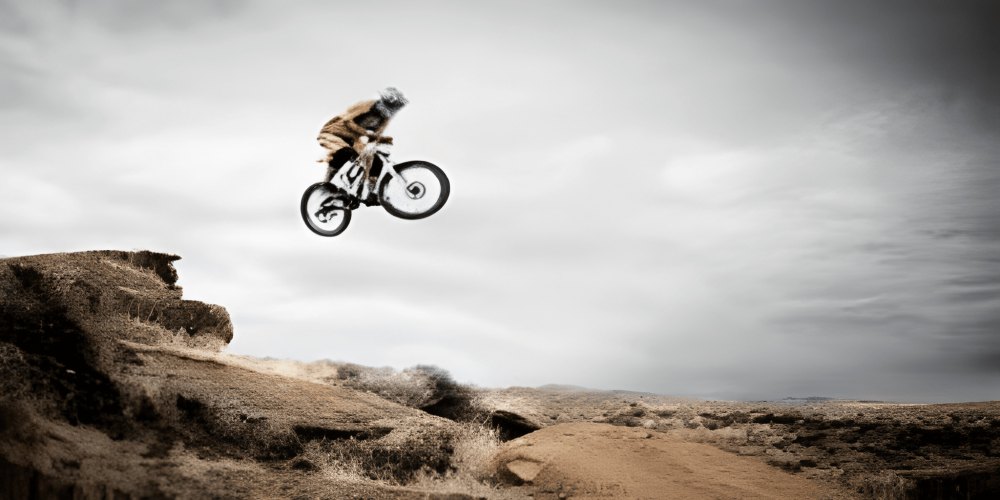
The moment your tires leave the paved road and dig into loose gravel, root-studded singletrack, or a technical rock garden, you enter a different world. Mountain biking is an exhilarating pursuit that tests both human endurance and machine capability. But with that thrill comes a set of risks that standard home and contents policies were never designed to handle. This is where mountain bike insurance steps into the spotlight. For the dedicated rider, understanding mountain bike insurance is as crucial as knowing how to adjust a dropper post or bleed hydraulic brakes.
Mountain bike insurance is a specialized product that goes far beyond basic theft coverage. It acknowledges that modern mountain bikes are not toys but sophisticated pieces of engineering that can cost as much as a used car. A high-end carbon fiber full-suspension bike with a Fox Factory fork, carbon wheels, and a wireless drivetrain can easily exceed ten thousand dollars. Losing that investment to theft, crash damage, or a freak accident on the trail would be financially devastating. Therefore, mountain bike insurance serves as a financial safety net tailored specifically to the unique lifestyle of off-road cycling.
The first misconception many riders hold is that their existing homeowners or renters insurance will fully cover their mountain bike. While it is true that a basic policy might offer some protection, the limitations are severe. Most standard policies impose a low sub-limit for bicycles, often between one thousand and two thousand dollars. If you ride a bike worth five or ten thousand dollars, that leaves a massive gap. Furthermore, homeowners insurance typically does not cover crash damage. If you wash out on a loose corner and snap your carbon frame, your home policy will almost certainly deny the claim. The same applies to a dented rim, a shattered derailleur, or a cracked suspension linkage. Mountain bike insurance fills this void by covering accidental damage on the trail.
Another critical factor is theft coverage away from home. A homeowners policy might cover a bike stolen from your garage, but what about when you lock it at a trailhead parking lot? What about when you stop for a post-ride coffee and someone cuts your lock in broad daylight? Many standard policies exclude theft from vehicles or public places. Mountain bike insurance is designed to follow you wherever you ride. It covers theft from your car, from a hotel room during a biking trip, or from a bike rack while you are grabbing lunch. This portability is essential for anyone who travels to ride, whether it is a weekend at a bike park or a week-long trip to a destination trail network.
Understanding the components of a quality mountain bike insurance policy is key to choosing the right coverage. The most comprehensive plans offer what is known as agreed value coverage. Instead of depreciating your bike like a car insurer would, agreed value means you and the insurer settle on a fixed amount for which the bike is insured. If the bike is stolen or damaged beyond repair, you receive that full agreed amount, minus any deductible. This is vastly superior to actual cash value policies that deduct for wear and tear. For a mountain bike that might be two or three years old but still perfectly functional, actual cash value could leave you with only half of what you need to replace it.
New for old replacement is another feature to look for. The best mountain bike insurance policies will replace a stolen or totaled bike with a brand new equivalent model. Given that bike technology evolves rapidly, this is a huge benefit. If your three year old bike is stolen, a new for old policy will give you the money to buy the current year model with modern geometry, updated suspension, and the latest drivetrain standards. This ensures you are not left trying to source outdated parts or downgrading your riding experience.
Crash damage is arguably the most important element of mountain bike insurance for aggressive riders. Mountain biking inherently involves risk. No matter how skilled you are, a hidden root, a slick rock, or simple fatigue can send you over the bars. When that happens, your bike takes the brunt of the impact. Carbon fiber frames can develop hairline cracks that are invisible to the naked eye but catastrophic if they fail on the next descent. Aluminum frames can dent or bend. Wheels taco, brake levers snap, and rear derailleurs get torn off. A good mountain bike insurance policy will cover these repairs at an authorized bike shop. Some policies even cover crash replacement programs offered by manufacturers, reducing your out of pocket cost for a new frame.
Beyond the bike itself, consider the accessories and riding gear. A complete mountain bike insurance package often includes coverage for helmets, pedals, bike computers, lights, and even riding clothing. A high end GPS bike computer like a Garmin or Wahoo can cost six hundred dollars or more. A full face helmet designed for enduro or downhill racing is another three to five hundred dollars. When you crash, your helmet should be replaced immediately. Having insurance that covers these ancillary items makes the overall package much more valuable.
Racing coverage is another differentiator. Many standard bike policies exclude competitive events. If you participate in enduro races, cross country races, or downhill events, you need a policy that explicitly includes racing. Some insurers offer race specific add ons that cover damage sustained during a timed run or practice session. This is crucial because crashes during races are often more severe due to the higher speeds and increased fatigue. Without proper mountain bike insurance, a race day crash could result in thousands of dollars in repair bills that come entirely out of your pocket.
The cost of mountain bike insurance varies based on several factors. The value of your bike is the primary driver. Expect to pay roughly five to fifteen percent of your bike’s value annually for a comprehensive policy. A two thousand dollar bike might cost one hundred to two hundred dollars per year to insure. A ten thousand dollar downhill rig could run five hundred to one thousand dollars annually. Other factors include your location, your riding history, and whether you store the bike indoors or in a garage. Deductibles typically range from one hundred to five hundred dollars. Choosing a higher deductible lowers your premium but means you pay more out of pocket for each claim.
When comparing mountain bike insurance providers, look for specialized cycling insurers rather than general property insurers. Companies that focus exclusively on bike insurance understand the nuances of the sport. They know what a Rockshox suspension fork is worth. They know that a cracked carbon rim is a safety hazard. They work with bike shops directly to provide accurate repair estimates. General insurers often treat a bike like any other piece of sporting goods, leading to lowball settlements and denied claims. Specialist providers also offer roadside assistance style benefits, such as reimbursement for a taxi or rental car if your bike breaks down far from home.
Exclusions are the dark side of any insurance policy. Read the fine print of your mountain bike insurance carefully. Most policies exclude intentional damage, damage from neglect, or damage that occurs while the bike is improperly maintained. If your chain snaps because you never replaced it after two thousand miles, that is not a covered event. Similarly, most policies exclude damage from rental bikes or bikes used for commercial purposes like guiding or delivery. Wear and tear is never covered. Brake pads wear out, tires get punctures, and chains stretch. These are maintenance items, not insurance claims. Some budget policies also exclude jumping, drops, or riding in bike parks. If you ride aggressively, you must ensure your policy has no such exclusions.
The claims process for mountain bike insurance is designed to be straightforward, but you need to know the steps in advance. After a crash or theft, document everything. Take clear photos of the damage or the scene of the theft. Get a police report for thefts. For crash damage, take your bike to a local shop for a written repair estimate. Do not repair anything before the insurer approves the claim, as that could void coverage. Submit the claim online or via phone with all documentation. Most specialist insurers process claims within one to two weeks. Some offer expedited processing for race bikes or for riders who depend on their bike for commuting.
One often overlooked aspect of mountain bike insurance is liability coverage. While your primary concern might be protecting your bike, consider what happens if you crash into another rider or a hiker. If you cause injury to someone else or damage their property, you could be held personally liable. Some mountain bike insurance policies include a liability component, typically ranging from one hundred thousand to one million dollars. This covers legal fees and settlements if you are sued. This is especially important if you ride in busy areas with mixed use trails. Even a minor collision can lead to significant medical bills and legal action.
International coverage is another consideration for the traveling rider. If you plan to take your mountain bike to another country for a riding trip, verify that your policy covers you abroad. Some insurers offer worldwide coverage except for a few excluded regions. Others require a separate travel rider. Theft of a bike from a locked car in a foreign country is a common problem, particularly in popular European biking destinations. Having mountain bike insurance that works globally gives you peace of mind to focus on the trails rather than worrying about your gear.
The rental bike scenario also deserves attention. Many riders rent bikes when traveling to avoid the hassle of flying with their own rig. But rental shops typically hold you financially responsible for any damage to their bike. A crash that cracks a rental carbon frame could cost you the full replacement value of that bike, often several thousand dollars. Some mountain bike insurance policies extend coverage to rental bikes, either as a standard feature or for an additional premium. This is much cheaper than the damage waiver sold by the rental shop. If you rent bikes more than once or twice a year, seek out a policy with rental coverage.
For families with multiple mountain bikes, look for policies that allow you to insure several bikes on a single plan. This is more cost effective than separate policies for each bike. Family plans often cover kids bikes at a reduced rate, recognizing that children’s bikes are cheaper and less likely to be claimed. Some insurers also offer a fleet discount for three or more bikes. This is ideal for households where both parents ride and the teenagers are also into the sport.
How do you determine the replacement value of your mountain bike for insurance purposes? Do not simply use the original purchase price. Bikes are often upgraded with better wheels, a different handlebar, a custom saddle, or aftermarket suspension parts. Keep all receipts for the bike and every component you add. The insured value should reflect the current cost to rebuild the bike exactly as it stands. If you have upgraded from a stock build to carbon wheels and a premium drivetrain, your bike is worth more than the original receipt. Underinsuring your bike is a common mistake that leaves riders undercompensated after a total loss.
Storage requirements are another clause in mountain bike insurance policies. Most policies require that when the bike is at your home, it must be stored inside a locked building. A garage counts, but an unlocked shed does not. Some policies specifically require that the bike be locked to an immovable object even inside the garage. If you store bikes in a shared apartment building hallway or on a balcony, many insurers will deny theft claims. Always disclose exactly how and where you store your bike. Providing false information about storage is grounds for voiding the entire policy.
The rise of electric mountain bikes has created a new category for insurers. E mountain bikes cost even more than traditional mountain bikes, often ranging from five thousand to fifteen thousand dollars. They also have expensive batteries and motors that can be damaged in a crash. Standard mountain bike insurance often covers e bikes, but with some caveats. The battery may have a separate sub limit or may be excluded from crash coverage. The motor might be covered only if the damage results from an impact rather than an electrical fault. If you ride an eMTB, seek out a policy specifically designed for electric bicycles, as these address the unique components and higher values.
One question that riders frequently ask is whether they need mountain bike insurance if they already have health insurance. Health insurance covers your body, not your bike. A broken collarbone is a medical claim. A broken frame is a property claim. The two are completely separate. Even if you have excellent health coverage, you still need to protect your bike from theft and crash damage. Similarly, car insurance does not cover your bike if it falls off a roof rack while driving. That would be a homeowners or bike insurance claim, not an auto claim.
The psychological benefit of mountain bike insurance should not be underestimated. When you know your bike is covered, you ride with more confidence. You are less likely to walk technical features because you are afraid of damaging an expensive frame. You are more willing to push your limits and progress as a rider. This peace of mind is intangible but real. Many experienced riders say that the cost of insurance is worth it simply for the ability to ride without financial anxiety.
To summarize the value proposition, mountain bike insurance transforms an unpredictable and expensive sport into a manageable financial hobby. It allows you to buy the bike you truly want without lying awake worrying about theft. It lets you ride hard and crash without facing a four figure repair bill. It protects your investment when you travel, race, or simply commute to the trailhead. For anyone who owns a mountain bike worth more than two thousand dollars, the annual premium is a small price to pay for comprehensive protection.
Frequently Asked Questions About Mountain Bike Insurance
Question one: Does home insurance cover my mountain bike if it is stolen from my garage?
Most home insurance policies do cover theft from a garage, but they apply a sub limit for bicycles that is often between one thousand and two thousand dollars. If your mountain bike is worth more than that, you will only receive the sub limit amount. Additionally, home insurance never covers crash damage or mechanical failure. For expensive bikes, a dedicated mountain bike insurance policy is strongly recommended.
Question two: What is the typical deductible for mountain bike insurance?
Deductibles typically range from one hundred to five hundred dollars. A lower deductible like one hundred dollars means higher annual premiums. A higher deductible like five hundred dollars lowers your premium but increases your out of pocket cost when you file a claim. Choose a deductible that matches your savings balance. Do not set a deductible higher than you can comfortably pay after a crash or theft.
Question three: Are carbon fiber frames covered for crash damage?
Yes, comprehensive mountain bike insurance policies specifically cover carbon fiber frame damage from crashes. This includes cracks, delamination, and full breaks. The insurer will either pay for a professional repair if safe or replace the frame entirely. Some policies require you to use a certified carbon repair center. Always check that your policy explicitly lists carbon frame coverage, as some budget policies exclude it.
Question four: Can I insure a mountain bike that I built myself from separate parts?
Absolutely. You can insure a custom built bike as long as you provide receipts or valuations for each major component including the frame, fork, wheels, drivetrain, brakes, and handlebars. The insurer will calculate an agreed value based on the sum of these parts. Keep all documentation in a safe place or a cloud storage folder for easy access during claims.
Question five: Does mountain bike insurance cover downhill racing and bike park riding?
This depends entirely on the policy. Standard policies often exclude downhill racing, enduro racing, and lift accessed bike park riding. You must purchase a policy that includes racing coverage or an extreme sports rider. Read the exclusions section carefully. If you ride at bike parks regularly, confirm with the insurer in writing that park riding is covered.
Question six: What happens if my bike is damaged during a race and I cannot finish?
Mountain bike insurance does not cover lost entry fees, travel costs, or potential race winnings. It only covers physical damage to the bike itself. For race related expenses, you would need separate race insurance or travel insurance. However, some high end policies offer a small stipend for a rental bike or replacement parts to allow you to continue racing if the damage is minor.
Question seven: How quickly do insurers pay out a total loss claim for a stolen bike?
After you provide a police report, proof of ownership, and any other requested documents, most specialist bike insurers pay within ten to fourteen business days. Some offer express processing within five days for an additional fee. Avoid insurers that take longer than a month, as this suggests poor financial reserves or inefficient claims handling.
Question eight: Is wear and tear like a worn chain or brake pads covered?
No. Wear and tear is explicitly excluded from all mountain bike insurance policies. Chains, cassettes, brake pads, tires, and grips are consumable items that you must replace as part of regular maintenance. Insurance only covers sudden and accidental damage from crashes, theft, or vandalism. Keep a maintenance fund separate from your insurance budget.
Question nine: Can I transfer my mountain bike insurance to a new bike if I sell the old one?
Most policies allow you to transfer coverage to a new bike mid term. You simply contact the insurer, provide details and value of the new bike, and pay any adjustment in premium. If the new bike is cheaper, you may receive a partial refund. If the new bike is more expensive, you pay the difference. You cannot transfer the policy to another person. It is tied to you as the policyholder.
Question ten: Do I need mountain bike insurance for a bike worth less than one thousand dollars?
For a bike under one thousand dollars, the annual premium might be fifty to one hundred dollars. Many riders choose to self insure at that level, meaning they accept the risk and pay for repairs or replacement out of pocket. However, if you cannot afford to replace that bike immediately after a theft or crash, even a small insurance policy provides valuable protection. Consider your personal financial situation before deciding.












Leave A Comment
0 Comment