

When you own a mobile home, manufactured home, or park model, the insurance market looks very different from what a traditional homeowner faces. Many standard home insurers either refuse to cover mobile homes entirely or offer policies with severe limitations. This reality makes the search for reputable mobile home insurance companies a critical first step in protecting your investment. Unlike site-built homes, mobile homes face unique risks such as transportation damage, different construction standards, and higher susceptibility to certain weather events. Understanding which mobile home insurance companies specialize in this niche can save you from financial disaster after a fire, storm, or liability claim.
The market has grown significantly in the last decade. More mobile home insurance companies now compete for business, which benefits consumers through better rates and coverage options. However, not all providers are equal. Some operate only in specific states, while others offer nationwide services but with varying policy terms. You need to know what distinguishes a strong insurer from a weak one. This guide walks you through the top considerations, lists some of the most trusted names, explains policy features in plain language, and ends with frequently asked questions to clear up common confusion.
Why Standard Homeowners Insurance Falls Short
Many people assume that a standard homeowners policy can simply be applied to a mobile home. That is rarely true. Traditional policies are designed for permanent foundations, traditional roofing, and standard building materials. Mobile homes often have different electrical systems, tie-down requirements, and vulnerability to wind damage. Most standard insurers will decline coverage once they learn the dwelling is a manufactured home. Those that do offer coverage frequently impose exclusions for wind, hail, or water damage that make the policy nearly useless.
This gap in the market is why specialized mobile home insurance companies exist. These carriers understand HUD construction codes, the importance of anchoring systems, and the specific perils that affect factory-built housing. They tailor their policies accordingly, often including replacement cost coverage for the home itself, plus separate coverage for personal property, loss of use, and liability. Without a specialist, you could find yourself underinsured or fighting denials after a claim.
Key Features to Look for in Mobile Home Insurance Companies
Before you start comparing quotes, you need a checklist of essential coverage components. The best mobile home insurance companies will offer the following without excessive fine print.
Actual Cash Value versus Replacement Cost is the biggest decision you will make. Actual cash value policies pay out the depreciated value of your home and belongings. Given that mobile homes depreciate over time, this could leave you with very little after a total loss. Replacement cost coverage, though more expensive upfront, pays to repair or replace your home and items at current market prices. For a mobile home that is ten or twenty years old, the difference between these two can be tens of thousands of dollars.
Dwelling coverage pays for the structure itself. This includes walls, roof, floors, and attached additions like a porch or carport. Look for mobile home insurance companies that offer open perils coverage, meaning anything not explicitly excluded is covered, rather than named perils, which only cover listed events like fire or lightning. Open perils is broader and generally preferred.
Personal property coverage protects your furniture, electronics, clothing, and appliances. Many insurers limit coverage for off-premises theft or high-value items like jewelry. You may need a separate rider. Loss of use coverage, also called additional living expenses, pays for temporary housing if your mobile home becomes uninhabitable after a covered loss. This is crucial because mobile home repairs can take weeks or months.
Liability coverage shields you if someone is injured on your property or if you accidentally cause damage to someone else’s property. A minimum of 100,000 dollars is advisable, though many mobile home insurance companies offer 300,000 or 500,000 dollars for a modest premium increase. Medical payments to others, a no-fault coverage that pays for minor injuries regardless of liability, is another valuable inclusion.
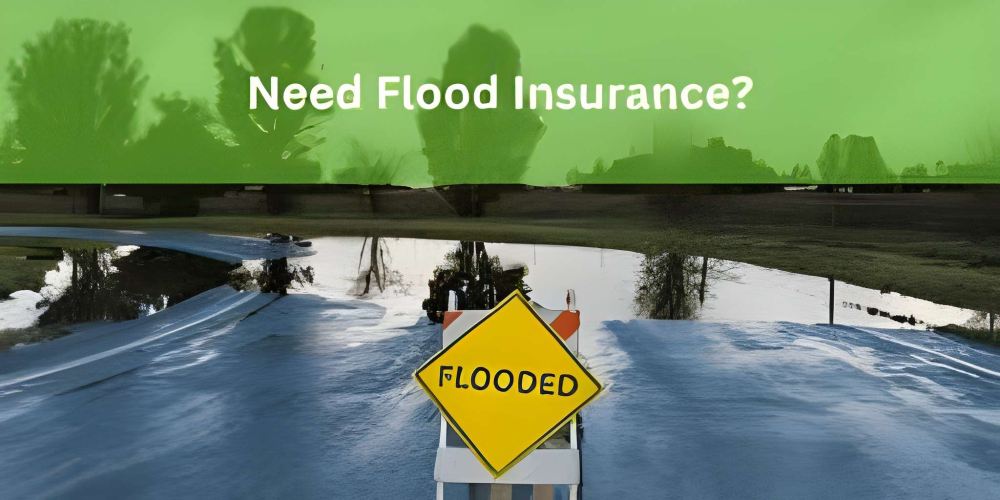
Finally, look for optional endorsements such as water backup coverage, earthquake coverage, flood insurance, and trip collision coverage if you ever move your home. Flood and earthquake are almost never included in standard policies and must be purchased separately, sometimes from a different provider.
Top Mobile Home Insurance Companies in the Current Market
Several names consistently appear in consumer reports and agent recommendations. These mobile home insurance companies have established track records, decent complaint ratios, and specialized product lines.
Foremost Insurance Group is perhaps the most recognized name in manufactured home coverage. A subsidiary of Farmers Insurance, Foremost has written mobile home policies for decades. They offer both actual cash value and replacement cost options, with flexibility for older homes, seasonal properties, and homes in park communities. Their liability limits go up to 500,000 dollars, and they provide a diminishing deductible feature for claim-free years. Foremost operates in all fifty states, though availability of certain endorsements varies by region.
American Modern Insurance is another giant in this space. They insure manufactured homes, mobile homes, and even modular homes under one division. American Modern stands out for their acceptance of homes up to 30 years old, while some competitors cap at 20 years. They also offer mechanical breakdown coverage for appliances, which is unusual. Their claims process is largely digital, allowing photos and documents uploaded from a phone. Policyholders report mixed satisfaction with customer service, but their financial strength ratings are strong.
Progressive Home, through its partnership with ASI and other carriers, has entered the mobile home market more aggressively in recent years. They are not a specialist to the same degree as Foremost, but they offer competitive rates for newer manufactured homes with permanent foundations. Progressive is best for owners who have converted their mobile home into real property by removing the wheels, axles, and tongue. Their online quote system is user-friendly, and bundling with auto insurance can produce significant savings.
State Farm, the largest personal lines insurer in the country, writes mobile home policies through many of their local agents. Unlike the specialists, State Farm does not have a dedicated mobile home product. Instead, they adapt a standard homeowners policy with mobile home endorsements. This approach works well for homes that meet strict underwriting guidelines, including a foundation that meets HUD standards and a roof age under 15 years. State Farm is a great choice if you already have other policies with them and want a single agent relationship.
Allstate also offers mobile home coverage through its affiliate brands and local exclusive agents. Their policies include a unique “Claim RateGuard” feature that prevents your premium from increasing just because you filed a claim. However, Allstate tends to be stricter on home condition and inspections. They may require a professional tie-down inspection before binding coverage.
Other regional mobile home insurance companies worth exploring include Blue Ridge Property and Casualty in the Southeast, Homesite Insurance in multiple states, and Auto-Owners Insurance in the Midwest and parts of the South. Always verify that any company you consider is licensed in your state and has a reasonable complaint index with your state’s department of insurance.
How to Compare Quotes from Multiple Mobile Home Insurance Companies
Shopping for mobile home insurance requires more effort than buying standard home insurance. You should gather quotes from at least three to five mobile home insurance companies. When requesting quotes, have the following information ready: the year your home was manufactured, the HUD label number if available, the square footage, the current market value or purchase price, the type of foundation or tie-down system, the age and condition of the roof, any upgrades or renovations, and your claims history for the past five years.
Be careful to compare the same coverage levels across quotes. One company might quote a cheap price but provide only actual cash value and low liability limits. Another might appear expensive but include replacement cost, higher personal property limits, and a lower deductible. Convert each quote to an annual cost per thousand dollars of coverage to make an apples-to-apples comparison.
Ask about discounts. Many mobile home insurance companies offer reductions for security systems, smoke detectors, deadbolt locks, fire extinguishers, and community park features like gated entry or on-site security. Multi-policy bundling with auto, motorcycle, or umbrella liability policies often yields the largest discount. Paying your full annual premium upfront rather than monthly installments can also save fees and interest.
Understanding Exclusions and Limitations in Mobile Home Policies
Even the best mobile home insurance companies exclude certain causes of loss. The most common exclusions are flood, earthquake, earth movement, wear and tear, mold, fungus, insect or rodent damage, and intentional acts. Additionally, many policies exclude damage from freezing if you fail to maintain heat in the home or if the home is vacant for a specified period, often 30 or 60 days.
Another limitation specific to mobile homes is the “cosmetic damage” exclusion for roofs and siding. Some insurers will pay only for functional repairs, not to match colors or materials. This can leave you with a patchwork appearance after a claim. Read the policy language carefully. If you want matching coverage, you may need to ask for a special endorsement or choose a different provider.
Vacancy or unoccupancy clauses are also stricter for mobile homes. If you leave your mobile home empty for more than a month or two, coverage for vandalism, water damage, and theft may be suspended. If you own a seasonal mobile home or rent it out occasionally, you need a policy designed for that specific use. Standard owner-occupied policies will not cover rental situations.
Mobile Home Insurance for Parks versus Private Land
Where your mobile home sits has a major impact on your insurance options. Mobile homes located in commercial parks often have different risk profiles than those on private land. Park owners usually require proof of liability insurance as a condition of your lease. Some parks also mandate specific minimum dwelling coverage amounts, sometimes based on the age and size of the home.
Mobile home insurance companies sometimes charge higher premiums for homes in parks because of proximity to neighbors, shared utilities, and potential for fires to spread. Conversely, a home on private land may face higher wind or tree-fall risks. Either way, you must disclose the exact location and setup. Failure to do so could void your policy.
If your mobile home is in a park, ask the park management if they have a master insurance policy. Some parks carry insurance for common areas but not for individual homes. The master policy does not protect your personal belongings or liability as a tenant. You still need your own policy. Do not assume that any coverage from the park extends to you.
Saving Money Without Sacrificing Coverage
Rising premiums are a reality across property insurance. However, you can manage costs through several smart strategies. Raising your deductible from 500 dollars to 1,000 dollars or 2,500 dollars can lower your annual premium by 15 to 30 percent. Just be sure you have that amount set aside in an emergency fund. Installing storm shutters, upgrading to a Class 4 impact-resistant roof, or adding a monitored security system can also reduce rates.
Another overlooked way to save is by improving your credit score. In most states, mobile home insurance companies use credit-based insurance scores to set premiums. A higher score translates to lower rates. Paying bills on time, reducing credit card balances, and correcting errors on your credit report are all worthwhile steps.
Shopping annually is essential because rates change frequently. The cheapest mobile home insurance companies this year may not be the cheapest next year. Set a calendar reminder to request new quotes a few weeks before your renewal date. Also notify your current insurer of any home improvements, such as a new roof or upgraded electrical system, as these can trigger lower rates.
Claims Process: What to Expect
When disaster strikes, you need your mobile home insurance company to respond quickly. The claims process generally follows a standard sequence. First, you report the loss by phone, online, or through a mobile app. Provide your policy number, the date and cause of damage, and an initial estimate of the loss. The insurer assigns a claim number and an adjuster. For major losses, the adjuster may visit your home in person. For smaller claims, they might use photos and video.
After the adjuster completes their investigation, they issue a settlement offer. If you have replacement cost coverage, the initial payment may be actual cash value. You receive the depreciation holdback only after you complete repairs and submit receipts. This is a critical point of confusion for many policyholders. Read your policy to understand the timing of payments.
If you disagree with the settlement, you have the right to invoke an appraisal clause or file a complaint with your state insurance department. In most states, mobile home insurance companies are required to act in good faith and respond within a set timeframe, typically 15 to 30 days. Keep all receipts, photos, and correspondence. Consider hiring a public adjuster for very large losses, though be aware they take a percentage of the settlement.
Frequently Asked Questions about Mobile Home Insurance Companies
- Are mobile home insurance companies required by law?
No state law requires mobile home insurance for owners, but your lender or park owner will almost certainly demand it. If you own your home outright and live on private land, you can legally go without insurance. However, that is a high-risk decision because a single fire or liability lawsuit could wipe out your financial security.
- What is the average cost of coverage from mobile home insurance companies?
The national average for a mobile home policy ranges from 800 to 1,500 dollars per year. Costs vary based on location, home age, coverage limits, and deductible. Coastal areas with hurricane risk or tornado-prone regions see higher premiums. Older homes, those over 20 years old, also cost more to insure.
- Do mobile home insurance companies cover water damage?
Yes, but only sudden and accidental water damage, such as a burst pipe or overflow from a plumbing system. Gradual leaks, seepage, and flood damage are excluded. Flood insurance must be purchased separately through the National Flood Insurance Program or a private flood carrier.
- Can I get a policy if my mobile home is over 30 years old?
Some mobile home insurance companies will insure older homes, but they may require an inspection first. They might also limit coverage to actual cash value rather than replacement cost. Foremost and American Modern are more lenient on age than others. Extremely old homes without HUD certification may be uninsurable.
- What is a mobile home endorsement or rider?
An endorsement is a modification to your base policy. It adds coverage for specific risks or increases limits on certain items. Examples include a rider for solar panels, a detached workshop, or a screened porch. Always ask mobile home insurance companies which endorsements are available before buying.
- How does a tiedown system affect my insurance?
A professional tiedown system anchored to the ground is mandatory for most policies. If your home lacks proper tiedowns or if they are rusted or damaged, your insurer may deny windstorm claims. Some mobile home insurance companies offer a discount for certified tiedowns or for having a structural engineer’s certification.
- Can I switch mobile home insurance companies mid-policy?
Yes, you can cancel any policy at any time. Most insurers issue a refund for the unused portion of your premium, minus any cancellation fee if specified in your contract. To avoid a coverage gap, align the start date of your new policy with the cancellation date of the old one.
- Will my premium go up after a claim?
It depends on the nature and size of the claim. A small water damage claim might not trigger a surcharge, but a large fire or wind claim probably will. Some mobile home insurance companies offer accident forgiveness or claim-free discounts that can mitigate rate increases. Multiple claims over a few years could lead to nonrenewal.
- Do I need separate liability coverage beyond my mobile home policy?
For most people, the liability included in a standard policy is sufficient. However, if you have significant assets, such as investments, rental properties, or a high income, an umbrella liability policy provides additional protection, usually in increments of one million dollars. Some mobile home insurance companies require you to carry a minimum underlying liability limit, often 300,000 dollars, before they will sell you an umbrella.
- How do I file a complaint against a mobile home insurance company?
Start by contacting your state’s department of insurance. Every state has a consumer complaint division that tracks complaints and can mediate disputes. You can also file a complaint with the Better Business Bureau or leave a public review. For serious bad faith claims, consult a consumer protection attorney, though this is rarely necessary for ordinary disputes.
Final Thoughts
Choosing from the many mobile home insurance companies requires patience and careful comparison. Do not simply renew an existing policy without shopping around first. The right insurer will offer replacement cost coverage, robust liability limits, optional endorsements that matter to you, and a claims process that does not add stress to an already difficult situation. Keep your home maintained, document upgrades, and review your coverage annually. Your mobile home is both a residence and a financial asset. Protecting it properly is not an expense. It is peace of mind.















Leave A Comment
0 Comment