
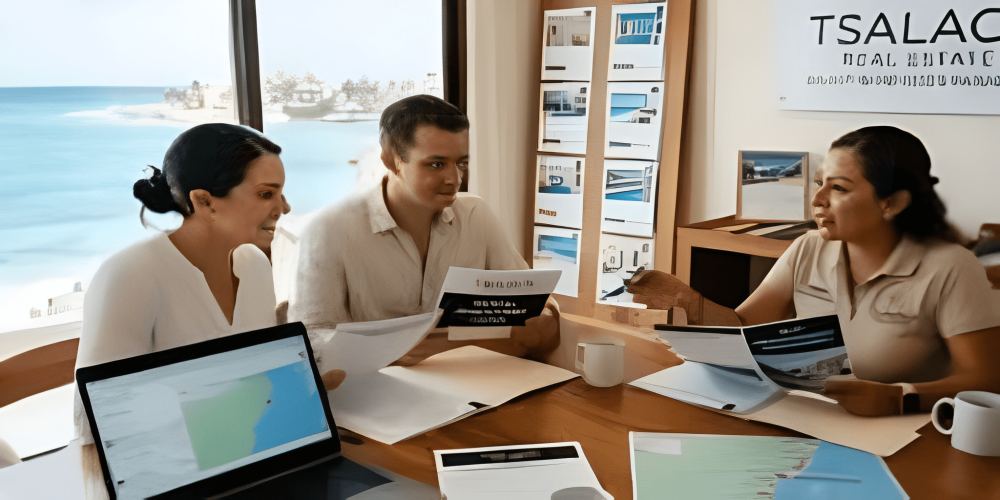
Look, everyone wants a second income. But most people settle for stocks or bonds. Boring. Real estate is different. And when you look south of the border, Mexico is practically begging for smart investors. The weather is great. The tourists never stop coming. And property prices? Still reasonable compared to California or New York.
But here is the catch. You cannot just wire money and hope for the best. You need a plan. You need local knowledge. You need someone who knows how to handle the paperwork. That is why more people are searching for the phrase buy rental property mexico tsalach real estate. They want a name they can trust. Not a random website. Not a guy who just got his license last week.
This guide walks you through everything. The good. The bad. The confusing legal stuff. By the time you finish reading, you will know exactly what to do next.
Why Mexico Beats Almost Every Other Market
Let me give you some numbers. Mexico gets around 40 million tourists every single year. That is before counting the digital nomads who stay for months at a time. These people need places to sleep. Hotels are expensive. An Airbnb with a kitchen and a washing machine? That is gold.
But here is what most articles do not tell you. The supply of good rental properties is actually pretty tight in the right areas. Sure, there are thousands of condos. But how many have a solid rental history? How many are run by a management team that actually answers the phone at 2 AM?
When you buy rental property Mexico, you are not just buying walls and a roof. You are buying into a system. A system of housekeepers, handymen, and booking algorithms. If you get it right, your property pays for itself in five to seven years. If you get it wrong, you own a money pit three time zones away.
The Legal Stuff Nobody Wants to Talk About
Foreigners freak out when they hear about the restricted zone. Calm down. It is not a big deal.
The Mexican government says you cannot own land directly within 50 kilometers of the ocean or 100 kilometers of a border. That covers almost every beach town you have ever heard of. Cancun. Puerto Vallarta. Cabo. All of it.
So how do you own it? A bank trust. They call it a Fideicomiso. You do not need to remember that word. Just know that a Mexican bank holds the official title for you. You are the beneficiary. You control everything. You can rent it. You can sell it. You can paint the walls purple if you want. The bank just sits there and collects a small annual fee.
The trust lasts for fifty years. After that, you renew it. No one has ever lost a property this way. It is safe. It is legal. Every foreigner who buys a beach condo uses this method. The only trick is making sure your agent sets it up correctly. That is where the right partner matters.
What Tsalach Real Estate Actually Does for You
You could try to do this alone. People do. Some of them even succeed. But most of them end up overpaying or buying a property with a bad rental history.
The phrase buy rental property mexico tsalach real estate is popular because this firm focuses on one thing. Rental readiness. Not just any property. Properties that already have bookings on the calendar. Properties with a proven track record.
Think about it. Would you rather buy a condo that has made money for the last three years, or a brand new one where you are the first guest? The existing property comes with data. You can see the occupancy rate. You can see the average nightly rate. You can even talk to the current owner about maintenance costs.
Tsalach also handles the due diligence. That is a fancy term for checking if the seller actually owns the place. You would be surprised how many people try to sell property that is not really theirs. Or properties with debts attached. A good real estate partner finds these problems before you hand over a single dollar.
The Step by Step Process from Start to Finish
Let us walk through how a real purchase works. Assume you found a place you like. A two bedroom condo in Playa del Carmen. Walking distance to the beach. Rooftop pool. The works.
Step one. You make an offer. This is not like buying a shirt on Amazon. You write a letter of intent. You put down a deposit. Usually five or ten percent. That money goes into an escrow account. Not directly to the seller. Escrow keeps everyone honest.
Step two. The research phase. Your lawyer checks the public records. Is the title clean? Are the taxes paid? Are there any lawsuits attached to the property? This takes about two to three weeks. If something bad shows up, you get your deposit back and walk away.
Step three. The closing. You fly down to Mexico. Or you give someone power of attorney. You meet with a notary. Mexican notaries are not like American notaries. They are high powered lawyers who work for the government. They make sure the taxes are paid and the paperwork is perfect. You sign a bunch of documents. The bank sets up your trust. You wire the remaining money.
Step four. You get the keys. That is it. You now own a rental property in Mexico.
Sounds simple, right? It is. As long as you have good help. The problems happen when people try to skip steps or use the seller's cousin as a lawyer.
Running the Numbers Honestly
Let me be real with you. Not every rental property in Mexico is a gold mine. Some barely break even. Others lose money if you factor in management fees.
Here is what a typical property looks like. Assume you buy a condo for two hundred fifty thousand dollars. A nice one bed or small two bed in a good area. Your gross rental income might be twenty thousand dollars per year. That is an eight percent gross yield. Not bad.
But then you pay management. Twenty percent is standard. That takes you down to sixteen thousand. You pay property tax. That is only a few hundred dollars. Mexico keeps property taxes low. You pay HOA fees. Those vary wildly. Some buildings charge one hundred dollars a month. Others charge four hundred. You pay for cleaning between guests. You pay for internet and cable. You pay for occasional repairs.
After all that, your net might be twelve thousand dollars per year. That is a five percent net yield. Still better than a savings account. And that does not include appreciation. Mexican beach property has gone up five to ten percent per year in most good areas.
The key is picking the right building. Some condos have high HOA fees that eat all your profit. Others have restrictions on short term rentals. You absolutely must check the HOA rules before you buy. If the building requires thirty day minimum rentals, you cannot do Airbnb. That changes everything.
Where to Buy for the Best Returns
Not all of Mexico is the same. You probably know that already. But the differences are bigger than you think.
The Yucatan coast is the hottest market. Tulum especially. Prices have doubled in some areas over the last five years. The risk is oversupply. There are so many new condos going up. Will demand keep up? Maybe. Maybe not. The new airport in Tulum helps a lot. But you are buying at a high price.
Puerto Vallarta is steadier. Less crazy growth. But also less risk. The north shore near Sayulita and San Pancho is popular with Americans. Properties rent well year round. The season is long. Almost no down time.
Mexico City is a different game. Short term rentals are getting restricted. But long term rentals to corporate workers are solid. You buy a two bedroom in Condesa or Roma. You rent it to a tech worker from the US. Stable income. Less hassle. But also less vacation for you if you want to use the place yourself.
Los Cabos is expensive. Very expensive. But the rents match the prices. Luxury properties do well there. If you have half a million or more to spend, Cabo makes sense. If you are on a tighter budget, look further south.
Managing the Property from Far Away
Here is the part that scares most people. You live in Ohio or Canada or the UK. Your property is in Mexico. Something breaks. What do you do?
You hire a property manager. Yes, they take a cut. But they earn every penny. A good manager handles everything. Guest check ins. Cleaning. Restocking supplies. Emergency repairs. Dealing with noisy neighbors. Filing the tourist taxes with the local government.
Without a manager, you are the one getting a phone call at 3 AM because the air conditioner stopped working. In August. In Mexico. That is not fun.
Your manager should send you monthly reports. How many nights were booked. What was the average rate. What expenses came up. You should also ask for photos after every guest leaves. That keeps the cleaner honest.
Some managers also handle dynamic pricing. That means they adjust your rates based on demand. Higher prices during spring break and Christmas. Lower prices during September when the hurricanes might come. This can increase your revenue by twenty percent or more.
Taxes and Other Unpleasant Realities
You have to pay taxes. Both in Mexico and in your home country. Sorry.
Mexico taxes your rental income. The rate depends on how you own the property. If you own as an individual, you pay somewhere between four and thirty percent of your net profit. If you set up a Mexican corporation, you can deduct more expenses. Most serious investors use the corporation route.
Your home country also wants its cut. The United States has a tax treaty with Mexico. That means you get a credit for taxes paid to Mexico. You do not pay twice. But you still have to file the paperwork.
Capital gains tax is another thing to think about. When you sell the property for a profit, Mexico takes a cut. Usually around twenty five percent of the gain. There are ways to reduce this. If you hold the property for a long time, you can adjust the purchase price for inflation. That lowers your taxable gain. A good cross border accountant is worth the money.
Common Mistakes That Cost People Thousands
I have seen a lot of buyers mess up. Here are the biggest mistakes.
Buying without visiting first. Photos lie. That beautiful view might be gone next year when a new building goes up next door. That quiet street might turn into a construction zone. Always visit. Walk the neighborhood at night. Talk to other owners in the building.
Skipping the independent inspection. Mexican construction is different. Some builders do great work. Others cut corners. A cheap inspection costs a few hundred dollars. Finding out your roof leaks after you close costs thousands.
Forgetting about hurricane season. The Caribbean coast gets storms. Insurance is not optional. Neither is a backup generator if the power goes out often. Your property manager should have a hurricane plan. Shutters. Sandbags. A list of emergency contacts.
Trusting the seller too much. They want to sell. They will tell you the property rents for one hundred fifty dollars a night. Ask for proof. Ask for the last twelve months of Airbnb statements. If they refuse, walk away.
Frequently Asked Questions
Is it really safe to buy property in Mexico as a foreigner?
Yes. Thousands of Americans and Canadians do it every year. The Fideicomiso trust system is designed specifically for this purpose. It is backed by Mexican banking law. The risks come from skipping due diligence, not from the legal structure itself.
How long does the buying process take?
Plan on sixty to ninety days from offer to closing. The longest part is the title search and the trust setup. Cash purchases go faster than financed ones. If you need a mortgage, add another thirty days.
Can I use my retirement account to buy in Mexico?
Not directly. A self directed IRA or 401k usually requires US based assets. However, you can take a distribution or a loan against your retirement account to fund the purchase. Talk to a financial advisor before doing this.
Do I need to speak Spanish to buy a property?
No. But it helps. Most tourist areas have bilingual agents, notaries, and lawyers. Your contract will be in Spanish. You will need a translator you trust to explain what you are signing. Never sign a Spanish document you have not read in English.
What happens if the property has a squatter?
This is rare in tourist condos but possible in standalone houses. Your title search should reveal if anyone else claims rights to the property. A good attorney will also do a physical inspection to see if anyone is living there. If you buy through a reputable agent, they will guarantee the property is delivered empty.
Can I finance the purchase with a Mexican bank?
Yes. BBVA, Banorte, and Scotiabank all lend to foreigners. The down payment is high. Usually forty to fifty percent. Interest rates are higher than the US. Nine to twelve percent. You also need to prove your income with tax returns. Many buyers just pay cash to avoid the hassle.
How do I get my rental income back to my home country?
You wire it. Simple as that. Your property manager can deposit your net profits into a Mexican bank account. From there, you send a wire to your US or Canadian account. There are no restrictions on moving money out of Mexico. The exchange rate is your only variable.
What is the best time of year to buy?
The slow season for tourism is September and October. Some sellers get nervous when bookings drop. You might find a better deal then. December and January are busy. Prices are higher. Inventory is lower.
Do I need a Mexican will?
If you hold property through a Fideicomiso trust, you do not need a will for that property. The trust passes to your named beneficiaries automatically. For other assets like a car or a bank account, a Mexican will is a good idea. Your real estate agent can refer you to a local attorney who handles this.
What is the one thing you wish every buyer knew before starting?
That cash flow is not guaranteed. Some months are amazing. Other months, especially during hurricane season or economic downturns, the property sits empty. You need savings to cover those months. Do not buy a rental property if you cannot afford six months of mortgage and HOA payments out of your own pocket.
Final Advice Before You Jump In
Buying a rental property in Mexico is not a get rich quick scheme. It is a long term investment. The people who succeed are the ones who treat it like a business. They track their numbers. They respond to guest complaints. They reinvest in maintenance.



















Leave A Comment
0 Comment