
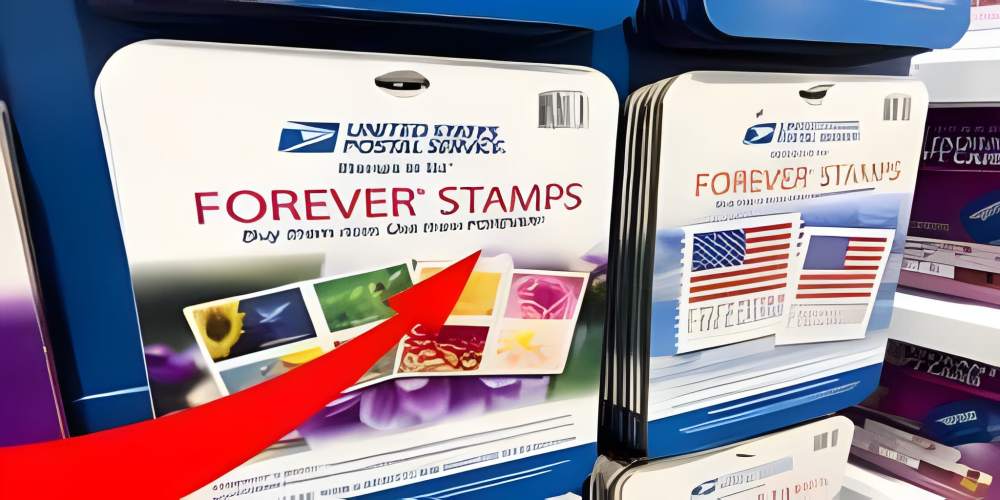
The cost of sending a letter has once again become a topic of national conversation. For millions of Americans, the daily routine of mailing bills, invitations, or holiday cards now comes with a slightly higher price tag. The United States Postal Service has implemented another adjustment to its pricing structure, and the most visible change is the USPS stamp price hike. This increase, while seemingly small on a per-stamp basis, has ripple effects across personal budgets, small business operations, and charitable organizations. Understanding the reasons behind the USPS stamp price hike, its long-term implications, and how to adapt is essential for every household and business that relies on traditional mail.
The history of postal rate changes is long and complex. For decades, the price of a first-class stamp rose slowly, often by just one or two cents every few years. However, the pace of the USPS stamp price hike has accelerated in recent times. In the early 2000s, a stamp cost thirty-four cents. By the 2020s, that number climbed steadily, crossing the half-dollar mark and continuing upward. Each new announcement of a USPS stamp price hike is met with a mix of frustration and resignation. People understand that operational costs rise, but the frequency of these increases has left many wondering about the long-term viability of the Postal Service itself.
The most recent USPS stamp price hike took effect at the start of the current fiscal year. The price for a Forever first-class stamp now stands at a level that reflects both inflationary pressures and the unique financial challenges facing the Postal Service. Unlike private carriers such as FedEx or UPS, the USPS operates under a congressional mandate to provide universal service at affordable rates. This mission becomes harder to sustain with each passing year as mail volumes decline and fixed costs remain stubbornly high. The USPS stamp price hike is not an arbitrary decision by postal executives. It is a calculated response to a structural deficit that has been decades in the making.
Why does the USPS stamp price hike keep happening? The primary driver is the dramatic fall in first-class mail volume. In the year 2000, the Postal Service processed over one hundred billion pieces of first-class mail. Today, that number has fallen by more than half. Email, online bill payment, and digital communication have replaced the handwritten letter and the paper invoice. With fewer pieces of mail to spread fixed costs over, the USPS stamp price hike becomes a mathematical necessity. Each stamp must cover a larger share of the costs of sorting, transporting, and delivering mail to every address in the country, six days per week.
Another significant factor behind the USPS stamp price hike is the congressionally mandated prefunding of retiree health benefits. This unique requirement forced the Postal Service to set aside billions of dollars for future retiree healthcare costs, a burden no other federal agency or private company faces. While recent legislation has eased some of this pressure, the legacy of that mandate has left the Postal Service with a weakened balance sheet. Consequently, the USPS stamp price hike is partly a tool to recover from past financial wounds and build a more sustainable foundation for the future.
Inflation also plays a direct role in the USPS stamp price hike. Fuel costs for delivery trucks, wages for postal workers, and the price of paper and ink for sorting machines all rise over time. The Postal Service does not receive annual appropriations from Congress for its operating budget. It must fund itself entirely through the sale of stamps, shipping services, and other products. Therefore, when the broader economy experiences inflation, a USPS stamp price hike is the primary mechanism the agency has to keep its doors open. Without these increases, the Postal Service would eventually face insolvency.
The impact of the USPS stamp price hike extends far beyond the individual buying a book of stamps at the local post office. Small businesses are particularly sensitive to changes in postal rates. Many small companies use direct mail marketing to reach customers. A single campaign might involve thousands of postcards or letters. The USPS stamp price hike increases the cost of customer acquisition for these businesses. Some may absorb the extra cost, reducing their profit margins. Others may reduce the volume of mail they send, potentially losing sales opportunities. A few may shift entirely to digital marketing, accelerating the very trend that reduces mail volume and prompts further rate increases.
Nonprofit organizations are another group heavily affected by the USPS stamp price hike. Charities rely heavily on direct mail appeals to solicit donations. The typical response rate for nonprofit mail is low, but the lifetime value of a donor acquired through mail is often high. When the USPS stamp price hike occurs, nonprofits face a difficult choice. They can either reduce the number of appeals they send, which lowers fundraising revenue, or they can spend more on postage, diverting funds away from their charitable missions. Some nonprofits qualify for special nonprofit postal rates, but even those rates are subject to periodic increases tied to the standard USPS stamp price hike.
For ordinary households, the USPS stamp price hike is rarely a budget-breaking event on its own. However, the cumulative effect of repeated increases is noticeable. A family that sends fifty cards and letters per year might see their annual postage bill rise by just a few dollars after a single hike. But over five years, the cost of mailing the same number of items could increase by twenty or thirty percent. The USPS stamp price hike also affects bill payment. While most bills can be paid online, a significant portion of Americans, particularly older adults, prefer to mail checks. For them, the USPS stamp price hike is a small but real tax on their preferred method of financial management.
There are also unexpected consequences of the USPS stamp price hike. The greeting card industry, for example, has seen a long-term decline that correlates with rising postage costs. When sending a birthday card requires a seventy-cent stamp or more, some consumers decide that a phone call or a social media post is sufficient. The USPS stamp price hike thus contributes to the erosion of traditional social rituals. Similarly, small artisans who sell handmade goods online and ship via USPS are affected. While the USPS stamp price hike specifically refers to first-class letters, the Postal Service typically raises other service prices simultaneously, including package shipping rates.
Critics of the USPS stamp price hike argue that the Postal Service should focus on cost reduction rather than price increases. They point to inefficient sorting facilities, overstaffing, and outdated work rules as evidence that the agency could do more with less. Proponents of the USPS stamp price hike counter that the Postal Service has already closed hundreds of facilities, consolidated mail processing, and reduced its workforce by hundreds of thousands of positions over the past two decades. They argue that further cuts would degrade service standards, leading to slower delivery times and lower reliability. The USPS stamp price hike, in this view, is the lesser evil compared to the collapse of the postal network.
Another perspective on the USPS stamp price hike emphasizes the value of the Forever stamp. The Forever stamp was introduced as a consumer-friendly innovation. When you buy a Forever stamp at the current price, it remains valid for first-class mail regardless of future rate increases. This means that the USPS stamp price hike actually rewards people who buy stamps in advance. By purchasing a large supply of Forever stamps before a scheduled increase, a consumer can effectively lock in a lower price. The USPS stamp price hike therefore creates a small incentive for forward planning. Many households now buy several books of Forever stamps each year, treating them as a hedge against inflation.
The timing of the USPS stamp price hike is rarely random. The Postal Service typically announces rate changes several months in advance, and the increases usually take effect in January or July. This predictability allows businesses and consumers to adjust their behavior. Knowing that a USPS stamp price hike is coming, a small business might accelerate a mailing campaign to avoid the higher rates. A nonprofit might shift its fundraising calendar. The advance notice of the USPS stamp price hike is a small courtesy that the Postal Service provides to its customers, recognizing that sudden price changes would be disruptive.
Internationally, the USPS stamp price hike puts American postage in context. Compared to the postal services of other developed nations, the United States has historically enjoyed relatively low postage rates. A first-class stamp in the United Kingdom, Germany, or Japan often costs significantly more than its American counterpart when adjusted for purchasing power. The USPS stamp price hike, even after multiple increases, still leaves American postage among the more affordable options in the industrialized world. This does not make the USPS stamp price hike painless, but it does suggest that American consumers have been subsidized by low rates for many years.
The future of the USPS stamp price hike is not difficult to predict. Barring a dramatic reversal of mail volume trends or a major restructuring of the Postal Service’s mandate, further increases are almost certain. The Postal Service has requested and received permission from the Postal Regulatory Commission to raise rates more aggressively than in the past. The days of small, infrequent increases are over. The new normal is a USPS stamp price hike at least once per year, with the possibility of two increases in a single year. This accelerated pace reflects the urgency of the Postal Service’s financial situation.
What can consumers do to mitigate the impact of the USPS stamp price hike? The most straightforward strategy is to buy Forever stamps in bulk. When a USPS stamp price hike is announced, purchasing a year’s supply of Forever stamps at the current price effectively avoids the increase for as long as those stamps last. Another strategy is to reduce mail volume. Paying bills online, sending electronic invitations, and communicating digitally for routine correspondence are all ways to reduce exposure to the USPS stamp price hike. For businesses, negotiating with suppliers and customers to accept digital documents can cut postage costs substantially.
There are also political and advocacy responses to the USPS stamp price hike. Congress has the power to reform the Postal Service’s financial model. Legislation that addresses the retiree health benefit prefunding requirement, allows the Postal Service to offer new services like basic banking, or provides a direct subsidy for universal service could reduce the pressure for constant rate increases. Citizens concerned about the USPS stamp price hike can contact their representatives in Congress. Public opinion does matter, and sustained pressure for postal reform could lead to a different future than the one implied by endless price hikes.
It is also worth considering what would happen if the USPS stamp price hike stopped. If the Postal Service were prohibited from raising rates, it would eventually run out of cash. The agency would default on its obligations, and service would be disrupted. Mail delivery might be reduced to three days per week or less. Post offices in rural areas would close. The universal service guarantee would become meaningless. The USPS stamp price hike, for all its annoyance, is a mechanism that preserves the existence of the Postal Service. Without the ability to raise prices, the slow death of the Postal Service would accelerate dramatically.
The human dimension of the USPS stamp price hike is often overlooked. Postal workers depend on the agency’s financial health for their jobs and pensions. When the USPS stamp price hike is announced, it is not a celebration at postal headquarters. It is a reluctant decision made by people who understand the burden on customers. Postal leadership has repeatedly stated that they take no pleasure in raising prices. The USPS stamp price hike is a symptom of a larger societal shift away from mail, not a sign of corporate greed. The Postal Service is a public service, not a profit-maximizing enterprise. Its goal is not to enrich shareholders but to break even.
In conclusion, the USPS stamp price hike is a fact of modern American life. It reflects deep structural changes in how people communicate, how businesses operate, and how the Postal Service is funded. While the immediate impact of each individual USPS stamp price hike is small, the cumulative effect over time is significant for frequent mail users. The best response is a combination of practical adaptation, such as buying Forever stamps in advance, and long-term advocacy for postal reform. The USPS stamp price hike is not going away, but understanding its causes and consequences makes it easier to manage. The next time you affix a stamp to an envelope, remember that the price you paid helps keep a two-hundred-fifty-year-old American institution running for one more day.
Frequently Asked Questions About the USPS Stamp Price Hike
Question 1: How often does the USPS stamp price hike occur?
The USPS stamp price hike typically occurs once or twice per year. Historically, increases happened every two to three years, but recent trends show a pattern of annual adjustments. The Postal Service usually announces a USPS stamp price hike several months in advance, with effective dates most commonly in January or July.
Question 2: What is the current price of a first-class stamp after the latest USPS stamp price hike?
The exact price after the most recent USPS stamp price hike depends on the effective date of the latest adjustment. For the most current rate, you should check the official USPS website or visit your local post office. Remember that the Forever stamp, once purchased, covers the first-class postage rate regardless of future USPS stamp price hikes.
Question 3: Does the USPS stamp price hike affect postcard stamps and international mail?
Yes, the USPS stamp price hike typically applies across multiple service categories. Postcard stamps, international letter stamps, and additional ounce stamps usually increase alongside the standard first-class stamp. The percentage increase may vary by service, but a general USPS stamp price hike almost always includes these related products.
Question 4: Can I use old stamps after a USPS stamp price hike?
If you have Forever stamps, they remain valid forever, even after a USPS stamp price hike. If you have non-Forever stamps that show a specific denomination, you must add additional postage to make up the difference after a USPS stamp price hike. For example, if you have a forty-cent stamp and the new rate is sixty-eight cents, you need to add twenty-eight cents worth of additional stamps.
Question 5: Why does the USPS stamp price hike keep happening so frequently?
The primary reason for the repeated USPS stamp price hike is the continued decline in first-class mail volume. As more people communicate digitally, the fixed costs of the postal network must be spread over fewer pieces of mail. Inflation, fuel costs, and labor expenses also contribute. The USPS stamp price hike is the agency’s main tool for maintaining financial stability without taxpayer funding.
Question 6: Is there any way to avoid paying the USPS stamp price hike?
The most effective way to avoid a future USPS stamp price hike is to purchase Forever stamps at the current price before the increase takes effect. Once you own Forever stamps, you are protected against any subsequent USPS stamp price hike for as long as you use them. There is no way to avoid paying the new rate if you buy stamps after a USPS stamp price hike has been implemented.
Question 7: Does the USPS stamp price hike apply to business mail and bulk rates?
Yes, the USPS stamp price hike typically affects business mail as well, though the exact impact varies by service. Presorted first-class mail, marketing mail, and periodicals rates are usually adjusted in tandem with the USPS stamp price hike. However, the percentage increase for bulk mail may differ from the increase for single-piece stamps.
Question 8: How does the USPS stamp price hike compare to inflation?
In recent years, the rate of the USPS stamp price hike has generally exceeded the broader consumer price index. This means stamps are becoming more expensive in real terms, not just nominal terms. The USPS stamp price hike outpaces inflation because the Postal Service faces unique cost pressures and declining volume that general inflation metrics do not capture.
Question 9: Can the USPS stamp price hike be reversed or rolled back?
Reversing a USPS stamp price hike is highly unlikely. Once a rate increase is approved by the Postal Regulatory Commission and implemented, the Postal Service relies on that additional revenue for its operations. A rollback would require a massive infusion of congressional funding or a dramatic and unexpected increase in mail volume, neither of which is probable.
Question 10: Where can I find official announcements about the next USPS stamp price hike?
The official USPS website has a newsroom section where all rate changes are announced. You can also sign up for email alerts from the Postal Service. Many financial news websites and consumer blogs also report on an upcoming USPS stamp price hike. The Postal Regulatory Commission publishes rate case filings and decisions for those who want the detailed legal background.



















Leave A Comment
0 Comment