
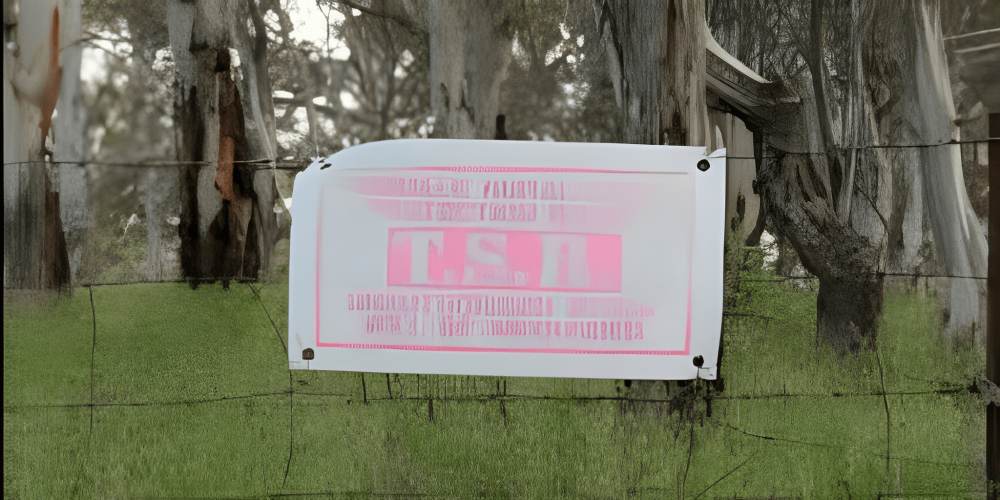
When most people picture the vast landscapes of rural Australia, they think of endless red dirt, scattered saltbush, and the occasional lonely windmill. But hidden within this expansive terrain lies a network of land that has quietly underpinned the nation’s agricultural success for over a century. These are the travelling stock reserves. Often abbreviated as TSRs, these strips and pockets of public land are far more than just roadside weeds or emergency paddocks. They represent a living, breathing history of droving, drought management, and community resilience. To understand the modern Australian bush, one must first understand the humble yet critical role of the travelling stock reserve.
A travelling stock reserve is essentially a corridor of Crown land set aside specifically for the movement and temporary agistment of livestock—sheep, cattle, goats, and sometimes horses. Before the era of the road train and the B-double truck, the only way to get stock from a remote property to a railhead, market, or abattoir was on the hoof. Drovers would walk mobs of cattle or flocks of sheep for hundreds of kilometers along these designated routes. The reserves provided the necessary feed, water, and camping grounds for both the animals and the men (and women) moving them. While the number of long-distance drovers has dwindled, the travelling stock reserve remains an indispensable asset for pastoralists, conservationists, and even recreational land users.
The Historical Backbone of Rural Commerce
To appreciate the value of a travelling stock reserve, one must travel back to the late nineteenth century. As pastoral expansion pushed further into the interior, the colonial governments realized a fundamental problem. Land was being alienated—sold or leased to private graziers—which meant there was no legal path for moving livestock across multiple properties. If a drover crossed a private lease without permission, he was trespassing. If a landholder refused access, a whole mob of cattle could be stranded, facing starvation or a massive detour.
The solution was the formal creation of travelling stock reserves. These were strips of land, often ranging from 100 to 400 meters wide, that ran alongside main roads or formed dedicated corridors between towns and railheads. They were legally protected for the passage of stock. Over time, the network grew to encompass tens of thousands of hectares. In New South Wales alone, travelling stock reserves cover over two million hectares—an area larger than some European countries. These reserves are managed by Local Land Services in NSW, while other states like Queensland and Victoria have their own equivalent bodies.
The travelling stock reserve became the lifeline of the outback economy. Towns like Bourke, Wilcannia, and Hay grew wealthy on the back of the droving trade. Travelling stock reserves provided the green fuel that kept the engine of rural Australia running. Without them, the wool and beef industries would have been fragmented, inefficient, and far more vulnerable to drought.
The Modern Function of Travelling Stock Reserves
In the twenty-first century, the sight of a drover on horseback leading 800 head of cattle down a dusty travelling stock reserve is increasingly rare. Most livestock now travel by truck. However, to declare the travelling stock reserve obsolete would be a grave mistake. These reserves have adapted, and their functions have multiplied.
The first and most obvious modern use is drought feeding and agistment. When the rains fail and a farmer’s own paddocks turn to dust, the travelling stock reserve often holds the only remaining green pick. Because TSRs are generally less intensively grazed than private properties, they retain a bank of perennial grasses and native shrubs that can be lifesaving in a dry spell. During the millennial drought of the early 2000s, travelling stock reserves across New South Wales and Queensland were opened for emergency agistment, saving millions of head of stock from slaughter.
The second function is still transport, albeit on a smaller scale. Many pastoralists still use travelling stock reserves to move stock between adjacent properties or to access markets without paying for expensive trucking. Short-distance droving remains cost-effective for mobs of 200 or 300 cattle. The travelling stock reserve provides a safe, unfenced (or appropriately fenced) corridor that keeps animals off high-speed sealed roads. This reduces the risk of accidents with road trains and private vehicles.
Thirdly, travelling stock reserves have become unexpected havens for biodiversity. Because these lands were never cleared for intensive cropping or housing, they often preserve remnant vegetation that has disappeared elsewhere. An old travelling stock reserve might contain stands of river red gum, black box, or belah that are hundreds of years old. Wildlife, from kangaroos and emus to the critically endangered plains-wanderer, find refuge in these corridors. In some regions, conservation agreements now overlay the traditional grazing rights on travelling stock reserves, creating a multi-use landscape that balances production with preservation.
Management Challenges and Conflicts
Managing a travelling stock reserve is not a simple task. The land must serve multiple masters. The primary stakeholder is the pastoralist, who needs reliable feed and water for travelling stock. But local communities may see the travelling stock reserve as a place for recreation—camping, bushwalking, or trail biking. Conservationists want the native vegetation protected from overgrazing. Indigenous groups may have cultural connections to these corridors, which often follow ancient songlines and water sources.
The biggest management challenge is grazing pressure. A travelling stock reserve is not a free-for-all commons. Grazing is strictly controlled through a permit system. Landholders must apply for a permit to use a specific TSR for a defined period, usually a few weeks or months. The permit fee is generally low—much lower than agistment on private land—but the conditions are strict. Stock numbers are capped, and landholders are responsible for maintaining fences and water points. Overuse of a travelling stock reserve can lead to erosion, loss of perennial grasses, and invasion by woody weeds like African boxthorn or prickly acacia.
Another challenge is encroachment. As rural land values rise, there is constant pressure to convert travelling stock reserves into freehold title for cropping or intensive agriculture. Once a travelling stock reserve is sold or leased for private use, it is lost to the public forever. The network becomes fragmented. A single gap in a travelling stock reserve corridor can make an entire droving route useless, as stock would have to cross private land without legal protection.
Climate change is the new wild card. More frequent and severe droughts mean that travelling stock reserves are being used more intensively, with less recovery time between grazing events. In a natural cycle, a TSR might be grazed once every two or three years. Now, in some regions, it is grazed annually. The grasses do not have time to set seed or regenerate. On the other hand, heavy rains and floods can wash away infrastructure on travelling stock reserves—culverts, grids, and access tracks—making them impassable just when they are most needed.
The Rights and Responsibilities of Using a Travelling Stock Reserve
If you are a landholder, understanding the legal framework around travelling stock reserves is essential. You cannot simply open a gate and let your cattle wander onto a TSR. That is illegal grazing, and the fines can be substantial. The first step is to contact the relevant state authority—for example, Local Land Services in NSW or the Department of Agriculture in Western Australia. You will need to apply for a travelling stock reserve permit, specifying the number and class of stock, the intended route, and the duration of use.
Once you have your permit, you are responsible for the daily welfare of the animals on the travelling stock reserve. This includes providing clean water—either from natural sources like creeks or from troughs connected to bores—and checking for poisonous plants. Some travelling stock reserves contain known toxic flora such as Darling pea or St. John’s wort. A responsible user walks the reserve before releasing stock. You are also required to move the stock through the reserve according to a schedule that prevents overgrazing. Loafing in one spot for weeks on end is not permitted.
When you remove your stock from the travelling stock reserve, you must leave it in as good or better condition than you found it. This means repairing any fence damage, cleaning up rubbish, and reporting any infrastructure issues to the land manager. A small minority of users have given travelling stock reserves a bad name by leaving behind carcasses, broken gates, or eroded gullies. The vast majority, however, treat the reserve as the valuable public asset it is.
Travelling Stock Reserves for Non-Pastoral Users
You do not need to own a single hoof of livestock to benefit from a travelling stock reserve. Many of these corridors are open to the public for low-impact recreation. Camping is often permitted, provided you do not light fires during a total fire ban and you pack out all rubbish. Birdwatchers prize travelling stock reserves because the mix of open grassland, timbered ridges, and permanent waterholes attracts a huge variety of species. In the Riverina region, for example, a travelling stock reserve along the Murrumbidgee River might be home to azure kingfishers, white-bellied sea eagles, and dozens of parrot species.
For walkers and cyclists, a travelling stock reserve offers a unique experience. You are walking the same paths that millions of sheep and cattle have walked for over a century. The ground is often soft and sandy, easy on the knees. The fencing is rustic—droppers and plain wire rather than modern hinge-lock. And because travelling stock reserves are linear, they make excellent long-distance routes. Some enthusiasts have pieced together multi-day walks using a chain of connected TSRs, camping each night on public land.
There are, however, rules for non-pastoral use. You should never interfere with livestock on a travelling stock reserve. If you encounter a mob being moved, step well off the track and let the drovers pass. Do not open or close gates unless you are certain of the intended flow of stock. Dogs must be kept on a lead at all times—a loose dog can scatter a mob of sheep over kilometers, causing immense stress to the animals and financial loss to the permit holder. Motorized vehicles, including quad bikes and trail bikes, are generally prohibited on travelling stock reserves unless you have specific authorization. The rationale is simple: erosion and disturbance.
The Future of Travelling Stock Reserves
What will happen to travelling stock reserves in the next fifty years? The trends are mixed. On one hand, the decline of traditional droving suggests that the original purpose of these reserves is fading. Young pastoralists are less likely to learn the skills of overland stock movement when a truck can do the job in six hours instead of six days. Some government agencies have quietly reduced maintenance on travelling stock reserves, allowing fences to fall and water points to run dry.
On the other hand, there is a growing recognition that travelling stock reserves offer something that no other land category provides: connectivity. In an era of habitat fragmentation and climate-driven species migration, these corridors are essential for wildlife movement. A travelling stock reserve can act as a climate highway, allowing plants and animals to shift their ranges southward as temperatures rise. Conservation groups are increasingly advocating for the formal protection of the entire TSR network as a matter of national ecological security.
Furthermore, the resurgence of interest in local, low-carbon food systems may bring back the travelling stock reserve in a new form. A farmer who sells beef directly to a local butcher might find that short-distance droving along a TSR is both cheaper and more marketable than trucking. Consumers like the story of humanely moved stock that have walked at their own pace, grazing native pastures along a travelling stock reserve, rather than being crowded into a truck. The nostalgia factor, combined with genuine welfare benefits, could drive a modest revival.
Technology is also changing the management of travelling stock reserves. Remote water monitoring, drone surveillance of pasture biomass, and GPS tracking of permitted stock movements allow managers to enforce grazing rules with unprecedented precision. In the future, a travelling stock reserve might have a digital permit system that automatically adjusts stocking rates based on real-time satellite data on ground cover. This would eliminate the old conflict between conservation and production, turning the TSR into a model of adaptive land management.
Short FAQs on Travelling Stock Reserves
Q1: Can anyone camp overnight on a travelling stock reserve?
Generally yes, for low-impact, self-sufficient camping. However, you must check with the local land management agency first, as some travelling stock reserves have restrictions during fire season or when livestock are present. Never light an open fire without a permit.
Q2: Do I need a permit to walk my dog on a travelling stock reserve?
You do not need a permit for a dog on a leash, but the dog must remain on a short lead at all times. Off-leash dogs are strictly prohibited because they can chase and stress travelling stock. If you cause a mob to bolt, you can be held liable for financial losses.
Q3: How do I find a travelling stock reserve near me?
Most state agriculture departments publish online maps of travelling stock reserves. In New South Wales, the Local Land Services TSR map is interactive and shows boundaries, water points, and permitted uses. In Queensland, contact the Department of Resources.
Q4: Can I graze my own cattle on a travelling stock reserve without a permit?
No. Unauthorized grazing on a travelling stock reserve is illegal and treated as trespass and theft of public feed. Penalties include heavy fines, confiscation of stock, and a ban from future permit applications. Always apply for a permit in advance.
Q5: Are travelling stock reserves the same as stock routes?
The terms are often used interchangeably, but a stock route typically refers to the linear corridor for moving stock, while a travelling stock reserve may include larger roadside paddocks and water reserves used for agistment. In practice, most people use “travelling stock reserve” to mean the entire network.
Q6: Who is responsible for fixing a broken fence on a travelling stock reserve?
The permit holder using the travelling stock reserve at the time of the break is responsible for immediate repairs. The land manager (e.g., Local Land Services) handles major infrastructure upgrades. If you notice a broken fence on a travelling stock reserve that is not in use, report it to the local office.
Q7: Can a travelling stock reserve be sold for housing development?
In some states, travelling stock reserves can be divested if they are deemed no longer useful for stock movement. However, this is highly controversial and usually requires a lengthy public consultation process. Many conservation and farming groups oppose any sale of travelling stock reserves.
Q8: Do travelling stock reserves exist outside Australia?
Similar concepts exist in other countries. The United States has historic trails and public grazing allotments, but not the same dedicated legal corridor system. South Africa has “outspans” which were resting places for ox wagons. However, the comprehensive network of travelling stock reserves is uniquely Australian.
Conclusion
The humble travelling stock reserve is a testament to practical Australian ingenuity. It solved a nineteenth-century problem of moving livestock across a vast, privately leased landscape, and it continues to solve twenty-first-century problems of drought management, biodiversity loss, and climate adaptation. Whether you are a pastoralist looking for emergency feed, a conservationist seeking intact native grasslands, or a camper wanting a quiet night under river red gums, the travelling stock reserve has something to offer. Its future depends on continued public support, intelligent management, and a recognition that some landscapes are too valuable to fence off or sell. The next time you drive through rural Australia and see a narrow strip of bush along a dirt road, slow down. That is not just wasteland. That is a travelling stock reserve, and it is still working.





















Leave A Comment
0 Comment