
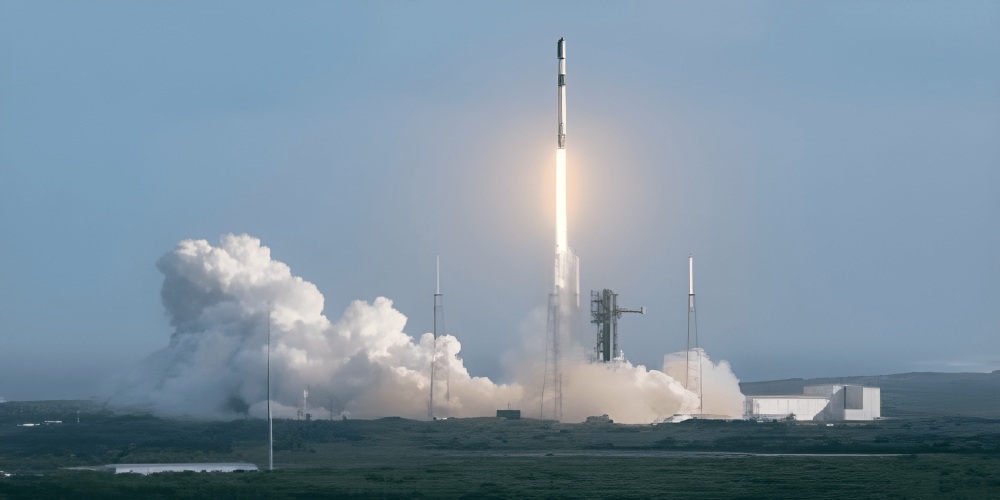
The Starlink SpaceX launch program has transformed how the world looks at internet connectivity. Developed by SpaceX under the leadership of Elon Musk, Starlink aims to provide high-speed, low-latency satellite internet across the globe, including remote and underserved areas. With hundreds of successful launches already completed and many more planned, the Starlink SpaceX launch strategy is one of the most ambitious space-based projects in modern history.
This article provides a complete and detailed overview of the Starlink SpaceX launch, including how it works, launch timelines, technology, benefits, challenges, global coverage, and future plans.
What Is Starlink by SpaceX?
Starlink is a satellite constellation project operated by SpaceX. Its primary goal is to deliver broadband internet using a network of low Earth orbit (LEO) satellites. Unlike traditional satellite internet that relies on a few satellites placed far from Earth, Starlink uses thousands of smaller satellites orbiting much closer to the planet.
Each Starlink SpaceX launch sends multiple satellites into orbit, gradually expanding the constellation. These satellites communicate with ground stations and user terminals to provide fast and reliable internet service.
The Vision Behind the Starlink SpaceX Launch Program
The idea behind the Starlink SpaceX launch initiative is simple yet revolutionary: make high-speed internet available everywhere. Millions of people across rural regions, remote islands, disaster-prone zones, and developing countries still lack reliable internet access.
Elon Musk designed Starlink to bridge this digital divide. Revenue generated from Starlink services is also expected to help fund SpaceX’s long-term goals, including missions to Mars.
How the Starlink SpaceX Launch Works
A typical Starlink SpaceX launch involves a Falcon 9 rocket carrying a batch of Starlink satellites. These launches are frequent and highly efficient due to SpaceX’s reusable rocket technology.
After liftoff, the Falcon 9 places the satellites into a low Earth orbit. Once released, the satellites deploy solar panels and use onboard ion thrusters to move into their designated orbital positions. Over time, these satellites form a dense mesh network around Earth.
Falcon 9 and Reusability in Starlink SpaceX Launch Missions
One of the biggest advantages of the Starlink SpaceX launch program is the use of reusable Falcon 9 rockets. The first stage of the rocket lands back on Earth or on a drone ship after launch, allowing it to be refurbished and reused multiple times.
This reusability significantly reduces launch costs and enables SpaceX to conduct frequent Starlink SpaceX launch missions. As a result, Starlink has become the fastest-growing satellite constellation in history.
Why Low Earth Orbit Matters in Starlink SpaceX Launch
Traditional satellite internet systems operate in geostationary orbit, around 36,000 kilometers above Earth. In contrast, Starlink satellites orbit at approximately 550 kilometers.
This lower altitude is a critical feature of every Starlink SpaceX launch because it reduces latency. Lower latency means faster response times, making Starlink suitable for video calls, online gaming, streaming, and remote work.
Starlink SpaceX Launch Timeline and Frequency
The Starlink SpaceX launch schedule is aggressive. SpaceX often conducts multiple launches per month, sometimes even per week. Each launch typically deploys 20 to 60 satellites, depending on the mission configuration.
Since the first operational Starlink SpaceX launch in 2019, SpaceX has consistently expanded the constellation. This rapid deployment has allowed Starlink to move from beta testing to commercial service in many countries.
Global Coverage Enabled by Starlink SpaceX Launch
One of the main objectives of the Starlink SpaceX launch strategy is global coverage. Starlink services are already available in many parts of North America, Europe, South America, Asia, Africa, and Oceania.
Remote regions such as mountains, deserts, and polar areas benefit the most from Starlink. As more Starlink SpaceX launch missions take place, coverage continues to expand and improve.
Starlink User Equipment and Connectivity
To access the network created by a Starlink SpaceX launch, users need a Starlink kit. This includes a satellite dish, Wi-Fi router, power supply, and mounting hardware.
The dish automatically aligns itself with passing Starlink satellites. As satellites move across the sky, the connection switches seamlessly between them, ensuring uninterrupted internet access.
Speed and Performance After Starlink SpaceX Launch
Internet speeds provided by Starlink have improved significantly with each new Starlink SpaceX launch. Users typically experience download speeds ranging from 50 Mbps to over 200 Mbps, depending on location and network congestion.
Latency usually ranges between 20 and 40 milliseconds, which is far better than traditional satellite internet. Performance continues to improve as more satellites are launched.
Starlink SpaceX Launch and Rural Internet Revolution
One of the most impactful outcomes of the Starlink SpaceX launch program is its effect on rural and underserved communities. In many areas, laying fiber-optic cables is expensive or impractical.
Starlink offers a practical alternative by delivering high-speed internet directly from space. Farmers, small businesses, students, and healthcare providers in remote areas benefit greatly from this connectivity.
Starlink SpaceX Launch for Emergency and Disaster Response
The Starlink SpaceX launch network has proven valuable during natural disasters and emergencies. When traditional communication infrastructure is damaged, Starlink can provide instant connectivity.
Starlink terminals have been deployed during earthquakes, floods, hurricanes, and conflict zones, enabling emergency responders and governments to maintain communication.
Military and Government Use of Starlink SpaceX Launch Network
Governments and defense agencies have also shown interest in the Starlink SpaceX launch system. Its decentralized satellite network is difficult to disrupt, making it useful for secure communications.
While SpaceX maintains Starlink as a commercial service, customized versions and partnerships exist for government and defense use.
Environmental and Astronomical Concerns
Despite its benefits, the Starlink SpaceX launch program has raised concerns among astronomers and environmentalists. Bright satellites can interfere with astronomical observations, especially during twilight hours.
SpaceX has responded by developing darker satellite coatings and visor technologies to reduce reflectivity. Each new Starlink SpaceX launch incorporates design improvements to address these issues.
Space Debris and Safety Measures
Another concern related to the Starlink SpaceX launch initiative is space debris. With thousands of satellites in orbit, the risk of collisions increases.
SpaceX has implemented advanced tracking and autonomous collision avoidance systems. Starlink satellites are also designed to burn up completely in Earth’s atmosphere at the end of their lifespan.
Regulatory Challenges and Approvals
Every Starlink SpaceX launch must comply with international and national regulations. SpaceX works with space agencies and governments to secure approvals for spectrum usage and satellite deployment.
Some countries have welcomed Starlink, while others are still evaluating regulatory frameworks. Despite these challenges, the Starlink SpaceX launch expansion continues steadily.
Starlink SpaceX Launch and Competition
The success of the Starlink SpaceX launch program has inspired competition. Other companies are developing their own satellite internet constellations.
However, Starlink currently leads the market due to its early start, frequent launches, and reusable rocket technology. Continued Starlink SpaceX launch missions help maintain this advantage.
Future Upgrades in Starlink SpaceX Launch Satellites
Future Starlink SpaceX launch missions will deploy more advanced satellites. These newer versions feature better antennas, improved lasers for inter-satellite communication, and higher bandwidth capacity.
Laser links allow satellites to communicate directly with each other, reducing reliance on ground stations and improving global coverage, especially over oceans and polar regions.
Role of Starship in Future Starlink SpaceX Launch Missions
SpaceX’s Starship rocket is expected to play a major role in future Starlink SpaceX launch operations. Starship can carry significantly more payload than Falcon 9.
Once operational, Starship could deploy hundreds of Starlink satellites in a single launch, accelerating constellation expansion and reducing costs even further.
Economic Impact of the Starlink SpaceX Launch Program
The economic impact of the Starlink SpaceX launch initiative is substantial. It creates jobs in manufacturing, engineering, software development, and logistics.
Additionally, improved internet access boosts local economies by enabling remote work, online education, digital businesses, and telemedicine.
Starlink SpaceX Launch and Developing Countries
Developing nations stand to benefit greatly from the Starlink SpaceX launch network. In regions where internet infrastructure is limited, Starlink provides a fast and scalable solution.
Access to reliable internet can transform education, healthcare, agriculture, and entrepreneurship, contributing to long-term development.
Challenges Facing the Starlink SpaceX Launch Program
Despite its success, the Starlink SpaceX launch project faces challenges. These include regulatory hurdles, high infrastructure costs, competition, and public concerns about space sustainability.
Managing such a massive satellite network also requires constant monitoring and technological innovation.
Long-Term Vision of Starlink SpaceX Launch
The long-term vision of the Starlink SpaceX launch program extends beyond Earth. Revenue from Starlink is expected to support SpaceX’s interplanetary ambitions.
By making space launches more affordable and frequent, Starlink plays a key role in SpaceX’s broader mission to make humanity a multi-planetary species.
Starlink SpaceX Launch and the Future of the Internet
The Starlink SpaceX launch initiative represents a shift in how internet infrastructure is built and delivered. Instead of relying solely on ground-based networks, the future may involve hybrid systems combining fiber, 5G, and satellite connectivity.
Starlink’s success demonstrates that space-based internet is no longer a concept of the future, but a reality of today.
Conclusion
The Starlink SpaceX launch program is redefining global connectivity. Through frequent launches, innovative satellite technology, and reusable rockets, SpaceX has created a powerful and scalable internet network in low Earth orbit.
From rural households to disaster zones and developing nations, the impact of each Starlink SpaceX launch is far-reaching. As technology continues to evolve and coverage expands, Starlink is set to play a central role in the future of global communication.
Frequently Asked Questions (FAQs)
What is a Starlink SpaceX launch?
A Starlink SpaceX launch is a SpaceX mission that deploys Starlink satellites into low Earth orbit to expand the global satellite internet network.
How many satellites are launched in one Starlink SpaceX launch?
Typically, a single Starlink SpaceX launch deploys between 20 and 60 satellites, depending on the mission.
Why does SpaceX conduct frequent Starlink SpaceX launches?
Frequent Starlink SpaceX launches are needed to build, maintain, and upgrade the massive satellite constellation required for global internet coverage.
Is Starlink internet available worldwide?
Starlink is available in many countries, and coverage continues to expand with each new Starlink SpaceX launch.
How fast is Starlink internet?
Speeds usually range from 50 Mbps to over 200 Mbps, with low latency, improving as more Starlink SpaceX launch missions are completed.
What rocket is used for Starlink SpaceX launches?
Most Starlink SpaceX launches use the Falcon 9 rocket, known for its reusability and cost efficiency.
Are Starlink SpaceX launches safe for space?
SpaceX uses collision avoidance systems and designs satellites to burn up upon reentry, reducing long-term space debris risks.
Will Starship replace Falcon 9 for Starlink SpaceX launch missions?
In the future, Starship is expected to play a major role in Starlink SpaceX launch missions due to its higher payload capacity.





















Leave A Comment
0 Comment