
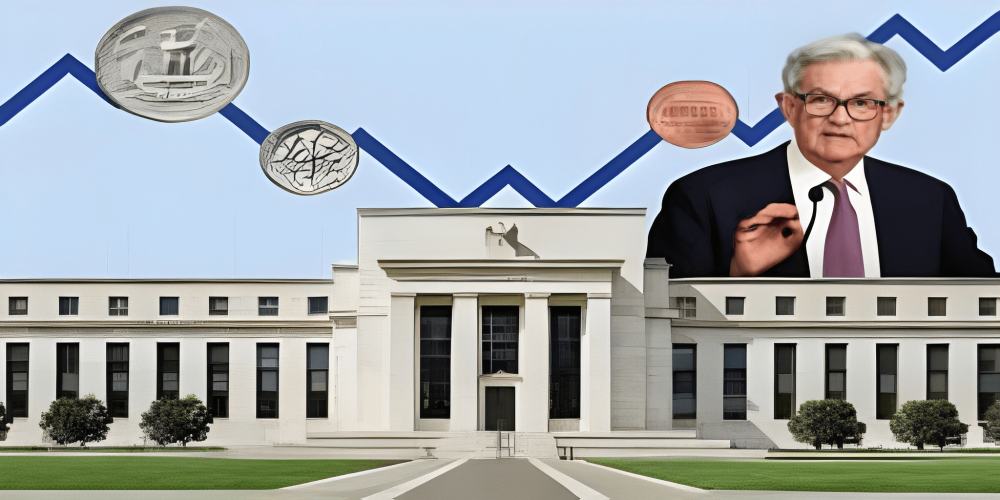
The phrase federal reserve interest rate cuts has become one of the most frequently searched economic topics across the world, especially during times of financial uncertainty or inflationary pressure. When the U.S. Federal Reserve (commonly called the Fed) decides to cut interest rates, the decision affects not only banks and investors but also everyday consumers, global markets, developing economies, and international trade. Understanding how these rate cuts work and what they mean for the economy can help businesses, borrowers, and policy watchers make better decisions.
This comprehensive guide explains what federal reserve interest rate cuts are, why they happen, how they influence financial markets, and what the long-term implications can be. By the end of this article, you will have a clear understanding of the entire mechanism behind rate cuts, including their impact on mortgages, stock markets, inflation, and global currencies.
What Are Federal Reserve Interest Rate Cuts?
Federal reserve interest rate cuts refer to the decision of the U.S. Federal Reserve to lower the federal funds rate. This is the benchmark rate at which banks lend money to one another overnight. While this may seem like a small technical adjustment, it has widespread consequences because most financial products—from home loans to business loans—are influenced by this benchmark.
When the Fed cuts rates, borrowing becomes cheaper. This is supposed to encourage spending, investment, and economic growth. The federal reserve interest rate cuts are generally conducted during slow economic growth, recession fears, or situations where the Fed wants to stimulate the economy.
The interest rate cut is a key tool in U.S. monetary policy. It signals the central bank’s view of economic health, inflation trends, and employment conditions. A lower rate usually means the central bank wants to support economic activity.
Why the Federal Reserve Cuts Interest Rates
While the Fed has multiple mandates, the two primary ones are:
- Maintain price stability
- Promote maximum employment
A third implicit mandate is maintaining stable financial markets.
Federal reserve interest rate cuts are typically made for the following reasons:
1. Stimulating the Economy
Lower interest rates make borrowing cheaper for individuals and businesses. This leads to more spending, which stimulates economic activity. During periods of slow growth or recession fears, the Fed uses rate cuts to push the economy forward.
2. Supporting Business Investment
Businesses depend on loans to expand, hire more employees, and start new projects. When rates fall, the cost of debt decreases. This encourages companies to borrow and invest.
3. Managing Inflation
Interestingly, federal reserve interest rate cuts can sometimes help manage inflation indirectly. If inflation is falling too low (deflation risk), the Fed may cut rates to boost demand.
4. Encouraging Consumer Spending
Consumers are more likely to take home loans, car loans, and personal loans when borrowing is affordable. This increases economic activity.
5. Maintaining Financial Stability
When financial markets face stress, interest rate cuts can restore confidence. This was seen during events like the 2008 financial crisis and the 2020 pandemic.
How the Federal Reserve Decides to Cut Rates
The Federal Open Market Committee (FOMC) meets eight times each year. During these meetings, policymakers analyze economic indicators such as:
- Inflation data
- Employment numbers
- GDP growth
- Wage trends
- Market conditions
- Consumer sentiment
- Global economic factors
If they determine that the economy needs support, they may vote for federal reserve interest rate cuts. The decision must balance stimulating growth without letting inflation rise uncontrollably.
Types of Interest Rate Cuts
Not all rate cuts are the same. They can be categorized into:
1. Preventive (Pre-emptive) Rate Cuts
Used to prevent economic slowdown before it becomes severe.
2. Emergency Rate Cuts
Used during crises such as pandemics, global recessions, banking collapses, or geopolitical shocks.
3. Gradual Rate Cuts
Implemented in small increments over time to adjust economic momentum gently.
4. Aggressive Rate Cuts
Large reductions in a short period to counter severe downturns.
Federal reserve interest rate cuts can be spread out across months or delivered in a single strong move depending on the situation.
How Rate Cuts Affect the U.S. Economy
The impact of federal reserve interest rate cuts on the U.S. economy is widespread. Several sectors feel the effects immediately, while others take longer to respond.
1. Mortgage Rates Drop
Housing markets are highly sensitive to rate decisions. Lower rates reduce mortgage costs, encouraging home buying and refinancing.
2. Business Borrowing Increases
Corporate loans become more affordable, leading to expansion and investment.
3. Consumer Loans Become Cheaper
Auto loans, credit card interest rates, personal loans, and student loan refinancing all become more favorable.
4. Stock Markets Typically Rise
Equity markets often respond positively to federal reserve interest rate cuts because lower rates boost corporate profits and investor confidence.
5. Bond Yields Fall
When the Fed cuts rates, yields on government bonds decline, affecting fixed-income markets.
6. Employment Levels Improve
As businesses invest, job creation improves, helping meet the Fed’s employment mandate.
7. Inflation May Increase
Rate cuts can stimulate demand, which may push prices higher over time.
8. Savings Accounts Earn Less
Banks adjust deposit rates downward, reducing returns for savers but making borrowing more attractive.
How Rate Cuts Affect the Global Economy
Because the U.S. dollar is the world’s reserve currency, federal reserve interest rate cuts have global consequences.
1. Emerging Markets Feel Pressure
Lower U.S. interest rates reduce returns on U.S. assets. Investors may move money into higher-yielding emerging markets.
2. Global Stock Markets React
International markets mirror Wall Street’s movements, rising when the U.S. cuts rates.
3. Currency Exchange Rates Shift
The dollar often weakens after rate cuts, affecting global trade and import costs.
4. Commodity Prices Fluctuate
Oil, gold, and agricultural commodities often rise when rates fall due to a weaker dollar.
Impact on Consumers
Federal reserve interest rate cuts indirectly influence millions of consumers. Here’s how:
Lower Mortgage Payments
A small rate reduction can save thousands of dollars over the life of a home loan.
Cheaper Loans
Lower interest charges on personal loans and auto loans encourage big purchases.
Lower Credit Card APR
Variable APR credit cards usually decline when rates fall.
Refinancing Opportunities
Homeowners may switch to lower-rate loans to reduce their monthly burden.
However, there are drawbacks too:
- Savings accounts earn less.
- Inflation can reduce purchasing power.
- Asset prices like real estate may rise due to increased demand.
Impact on Businesses
Businesses care deeply about federal reserve interest rate cuts because borrowing costs directly influence profitability.
Key effects include:
- Reduced cost of credit lines
- More affordable expansion projects
- Higher stock valuations
- Better cash flow management
- Increased hiring capacity
Small businesses benefit because they rely heavily on bank loans.
Impact on Investors
Investors watch the Fed closely for signals. Rate cuts influence various asset classes differently.
Stocks
Generally rise due to stronger business prospects.
Bonds
Usually fall as yields decrease.
Real Estate
Often strengthens due to lower mortgage rates.
Gold
May rise as investors seek alternatives to low-yield bonds.
Cryptocurrency
Tends to react positively to lower traditional asset yields.
Federal reserve interest rate cuts influence portfolio strategies around the world.
Historical Examples of Major Rate Cuts
1. The 2008 Financial Crisis
The Fed slashed rates aggressively to stabilize collapsing markets and restore liquidity.
2. The 2020 Pandemic
In March 2020, the Fed enacted emergency federal reserve interest rate cuts to near-zero levels to support the economy during lockdowns.
3. Early 2000s Recession
After the dot-com bubble, the Fed used multiple rate cuts to revive economic activity.
These examples show that federal reserve interest rate cuts are powerful tools used during crises to prevent deeper economic damage.
Do Rate Cuts Always Work?
Rate cuts have significant influence, but they are not guaranteed solutions for every economic problem.
They work well when:
- People are willing to borrow and spend
- Businesses have confidence
- Inflation is low
- Financial systems are stable
They work poorly when:
- Consumer confidence is weak
- Banks hesitate to lend
- Inflation is already high
- Global conditions counteract domestic support
In some cases, too many rate cuts can even overheat the economy and cause bubbles.
Long-Term Consequences of Rate Cuts
Federal reserve interest rate cuts can create both positive and negative long-term effects.
Positive Effects
- Sustained economic growth
- Strong job markets
- Higher consumer spending
- Greter business expansion
Negative Effects
- Inflationary pressures
- Excessive borrowing
- Asset market bubbles
- Decreased savings
A balanced approach is always necessary.
The Future Outlook for Federal Reserve Policy
Economic experts predict that federal reserve interest rate cuts will continue to play a major role in global monetary strategies. Factors influencing future decisions include:
- Inflation trends
- Global recession risks
- Wage growth patterns
- Energy and commodity price movements
- Employment strength
- Housing market stability
Keeping an eye on Fed announcements provides early signals about the future direction of the economy.
FAQs
1. What are federal reserve interest rate cuts?
Federal reserve interest rate cuts refer to the Federal Reserve reducing the federal funds rate to encourage borrowing, spending, and economic growth.
2. Why does the Federal Reserve cut interest rates?
The Fed cuts rates to stimulate the economy, support employment, manage inflation, and stabilize financial markets.
3. How do rate cuts affect mortgages?
Rate cuts usually lower mortgage rates, making home loans cheaper and stimulating real estate demand.
4. Do rate cuts increase inflation?
Yes, they can. By encouraging spending, federal reserve interest rate cuts may contribute to rising prices over time.
5. Do stock markets rise after rate cuts?
Stock markets typically react positively because lower rates support business profitability and investor confidence.
6. Who benefits the most from rate cuts?
Borrowers benefit the most, including consumers taking loans and businesses seeking capital for expansion.
7. Do savers lose money when rates are cut?
Savings accounts and fixed deposits offer lower returns during periods of rate cuts, affecting savers.
8. How do rate cuts affect global markets?
They weaken the U.S. dollar, increase capital flows to emerging markets, and impact global commodities.
9. Are federal reserve interest rate cuts good for the economy?
They can be good during downturns but may lead to inflation or asset bubbles if overused.
10. How often does the Federal Reserve cut rates?
There is no fixed schedule. The Fed adjusts rates based on economic conditions during FOMC meetings.





















Leave A Comment
0 Comment