
Canned tuna recall incidents have gained significant attention in recent years due to growing concerns about food safety, contamination, and quality control. Canned tuna is a staple food in millions of households worldwide because it is affordable, nutritious, long-lasting, and easy to use. However, when a canned tuna recall is announced, it raises serious questions about consumer safety, manufacturing practices, and regulatory oversight.
This detailed guide explains everything you need to know about a canned tuna recall, including why recalls happen, health risks, how to check if your product is affected, what to do if you have recalled tuna at home, and how companies and governments handle these situations.
Understanding What a Canned Tuna Recall Means
A canned tuna recall occurs when manufacturers or regulatory authorities ask consumers to stop using specific canned tuna products due to potential safety issues. These recalls may be voluntary or mandatory, depending on the severity of the risk.
In most cases, a canned tuna recall is issued to protect consumers from health hazards such as contamination, improper sealing, bacterial growth, or undeclared allergens. While not all recalled products cause illness, authorities act quickly to prevent any possible harm.
Canned tuna recall notices usually include:
- Brand name
- Can size
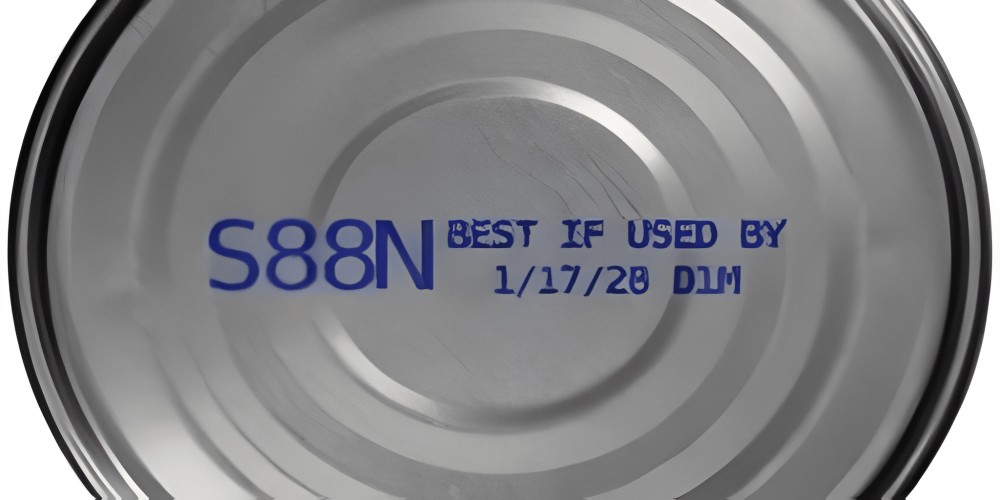
- Batch or lot number
- Expiration date
- Reason for the recall
Understanding these details helps consumers identify whether the tuna they purchased is affected.
Why Do Canned Tuna Recalls Happen?
There are several reasons why a canned tuna recall may be issued. These reasons range from minor labeling errors to serious contamination risks.
Contamination Issues
One of the most common causes of a canned tuna recall is contamination. This can include bacterial contamination, chemical contamination, or foreign material contamination. If tuna is exposed to unsafe conditions during processing, storage, or transportation, it may become unsafe for consumption.
Risk of Botulism
Botulism is one of the most serious concerns associated with canned foods. If cans are improperly sealed or damaged, they can create an environment where Clostridium botulinum bacteria grow. Because botulism can be life-threatening, any risk related to this bacteria often leads to an immediate canned tuna recall.
Undeclared Allergens
Another frequent reason for a canned tuna recall is undeclared allergens. If a product contains soy, milk, wheat, or other allergens that are not listed on the label, it can pose serious risks for people with food allergies.
Packaging Defects
Packaging defects such as faulty lids, dents, swelling, or leaks may compromise the safety of canned tuna. Even if the tuna itself is uncontaminated, defective packaging can allow bacteria to grow, prompting a recall.
Labeling Errors
Incorrect nutritional information, missing expiration dates, or wrong ingredient lists can also trigger a canned tuna recall. While these issues may not always pose immediate health risks, they still violate food safety regulations.
Health Risks Associated With Recalled Canned Tuna
A canned tuna recall is not issued without reason. Consuming recalled tuna may expose individuals to various health risks, depending on the recall cause.
Food Poisoning
Contaminated tuna can cause food poisoning symptoms such as nausea, vomiting, diarrhea, stomach cramps, and fever. These symptoms can appear within hours or days after consumption.
Botulism Symptoms
If a canned tuna recall involves botulism risk, symptoms may include blurred vision, difficulty swallowing, muscle weakness, and breathing problems. Botulism is a medical emergency and requires immediate treatment.
Allergic Reactions
Undeclared allergens can lead to allergic reactions ranging from mild itching to severe anaphylaxis. This is why labeling-related canned tuna recall notices are taken very seriously.
Long-Term Health Concerns
In rare cases, chemical contamination or high levels of toxins may cause long-term health effects if consumed repeatedly. Regulatory agencies aim to prevent such exposure through timely recalls.
How to Know If Your Tuna Is Part of a Canned Tuna Recall
Consumers often wonder how to identify whether their product is affected by a canned tuna recall. The process is straightforward if you know what to look for.
Check Official Recall Announcements
Government food safety agencies regularly publish recall alerts. These notices list the specific products involved in a canned tuna recall.
Match Product Details
Compare the brand, can size, lot number, and expiration date on your tuna can with the information provided in the recall notice. Even a small difference can mean your product is not affected.
Look for Physical Signs
Even if there is no active canned tuna recall, avoid consuming tuna if the can is swollen, leaking, rusted, or emits a foul smell when opened.
What to Do If You Have Recalled Canned Tuna at Home
If you discover that your product is included in a canned tuna recall, it is important to act responsibly.
Do Not Consume the Product
Even if the tuna looks and smells normal, do not eat it. Some contaminants cannot be detected by sight or smell.
Follow Disposal or Return Instructions
Recall notices usually include instructions on how to dispose of the product safely or return it for a refund. Follow these steps carefully.
Clean Storage Areas
If the recalled tuna was stored with other food items, clean the storage area to reduce the risk of cross-contamination.
Seek Medical Attention if Necessary
If you have already consumed recalled tuna and experience unusual symptoms, contact a healthcare provider immediately.
How Manufacturers Handle a Canned Tuna Recall
When a canned tuna recall occurs, manufacturers must follow strict procedures to protect consumers and comply with regulations.
Immediate Investigation
Companies investigate the source of the issue to determine whether it occurred during fishing, processing, packaging, or distribution.
Product Withdrawal
Affected products are removed from store shelves and distribution centers as quickly as possible.
Public Communication
Manufacturers issue public statements, press releases, and website updates to inform consumers about the canned tuna recall.
Role of Government Agencies in Canned Tuna Recalls
Food safety authorities play a crucial role in managing and monitoring canned tuna recall events.
Inspection and Testing
Agencies regularly inspect processing facilities and test products for safety compliance.
Enforcement Actions
If a manufacturer fails to act responsibly, authorities may enforce mandatory recalls, impose fines, or suspend operations.
Consumer Awareness
Government agencies ensure recall information is widely distributed so consumers can take timely action.
Impact of Canned Tuna Recalls on Consumers and Brands
A canned tuna recall affects more than just the recalled product.
Consumer Trust
Repeated recalls can reduce consumer confidence in a brand. Trust is difficult to rebuild once it is lost.
Financial Losses
Recalls are costly for manufacturers due to product destruction, refunds, legal expenses, and reputation damage.
Industry Improvements
On a positive note, canned tuna recall incidents often lead to stronger safety standards and better industry practices.
Preventing Future Canned Tuna Recalls
While consumers cannot control manufacturing processes, there are steps companies and individuals can take to reduce risks.
For Manufacturers
Improved hygiene, better packaging technology, routine testing, and strict quality checks help prevent a canned tuna recall.
For Consumers
Buying from trusted brands, checking expiration dates, storing cans properly, and avoiding damaged cans can reduce personal risk.
Is Canned Tuna Still Safe to Eat?
Despite occasional canned tuna recall events, canned tuna remains safe for consumption when produced and handled correctly. Recalls demonstrate that safety systems are working as intended by identifying and removing potentially unsafe products from the market.
Most canned tuna products never face recall issues, and regulatory oversight continues to improve globally.
Frequently Asked Questions (FAQs)
What is a canned tuna recall?
A canned tuna recall is an official request to stop using specific tuna products due to potential safety or quality issues.
Why are canned tuna recalls increasing?
Improved testing, stricter regulations, and better reporting systems contribute to more visible recall announcements, not necessarily lower product safety.
Can I eat canned tuna after a recall is announced?
No, if your product is included in a canned tuna recall, you should not consume it under any circumstances.
How serious is a canned tuna recall?
The seriousness depends on the reason. Some recalls are precautionary, while others involve severe health risks like botulism.
How do I find recall information?
Recall details are available through official food safety authority announcements and manufacturer communications.
Will I get a refund for recalled canned tuna?
Most manufacturers offer refunds or replacements for products involved in a canned tuna recall.
Are all canned tuna brands affected during a recall?
No, a canned tuna recall usually applies only to specific brands, batches, or production dates.
What symptoms should I watch for after eating recalled tuna?
Symptoms may include nausea, vomiting, diarrhea, weakness, or difficulty breathing. Seek medical help if symptoms occur.
Does washing canned tuna make it safe?
No, washing does not remove toxins or bacteria that may be present in recalled tuna.
How can I reduce my risk in the future?
Check cans before purchase, follow storage guidelines, and stay informed about food safety updates.
Final Thoughts on Canned Tuna Recall Awareness
A canned tuna recall is a serious but necessary step to protect public health. While it can be concerning to hear about recalls, they reflect the effectiveness of modern food safety systems. By staying informed, checking product details, and following recall instructions, consumers can protect themselves and their families.



















Leave A Comment
0 Comment