
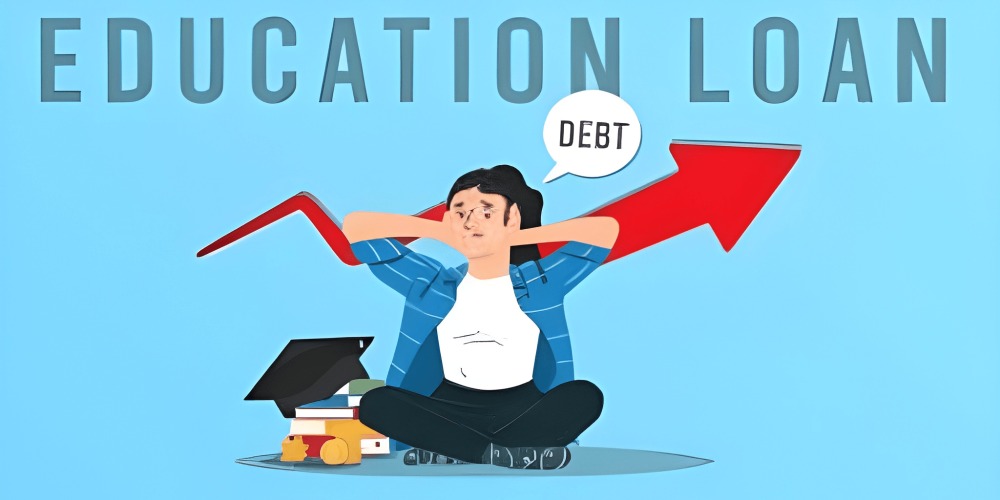
Student loan debt has become one of the most pressing financial challenges for millions of students and graduates worldwide. As the cost of higher education continues to rise, more people rely on loans to fund their studies, often carrying debt well into their working years. Understanding student loan debt, how it works, and how to manage it effectively is essential for long-term financial stability.
This comprehensive guide explains student loan debt in detail, including its causes, impact on personal finances, repayment strategies, forgiveness programs, and smart tips to reduce the burden.
What Is Student Loan Debt?
Student loan debt refers to the money borrowed to pay for higher education expenses such as tuition, accommodation, books, and other academic costs. These loans must be repaid with interest over a specified period after graduation or leaving school.
Student loan debt can come from government-backed loans or private lenders. While student loans help millions access education, they also create long-term financial obligations that can influence career choices, lifestyle decisions, and future investments.
Why Student Loan Debt Is Increasing
The growth of student loan debt is not accidental. Several factors contribute to the steady rise in borrowing.
Rising Cost of Education
Tuition fees have increased significantly over the past few decades. Public and private institutions alike charge higher fees, forcing students to borrow more to complete their education.
Reduced Government Funding
Cuts in public funding for higher education have shifted more financial responsibility to students and families, increasing reliance on student loans.
Easy Access to Loans
The availability of student loans with deferred repayment encourages borrowing, sometimes without a full understanding of long-term consequences.
Cost of Living Expenses
Student loan debt is not limited to tuition. Housing, food, transportation, and academic materials also add to the total loan amount.
Types of Student Loan Debt
Understanding the types of student loan debt helps borrowers choose the best repayment and management strategy.
Federal Student Loans
These are issued or guaranteed by the government. They usually have lower interest rates, flexible repayment options, and access to forgiveness programs.
Private Student Loans
Private lenders such as banks and financial institutions offer these loans. Interest rates are often higher, and repayment terms are less flexible.
Undergraduate vs Graduate Loan Debt
Graduate students often accumulate higher student loan debt due to longer study periods and higher tuition fees.
How Student Loan Debt Works
Student loan debt typically involves borrowing a principal amount and repaying it with interest over time. Repayment usually begins after graduation or once the borrower drops below a certain enrollment status.
Interest can accrue during school or be deferred, depending on the loan type. Over time, interest significantly increases the total repayment amount.
Impact of Student Loan Debt on Financial Life
Student loan debt affects almost every aspect of a borrower’s financial journey.
Delayed Financial Milestones
Many people postpone buying homes, starting businesses, or getting married due to student loan debt obligations.
Monthly Budget Pressure
High monthly payments reduce disposable income, limiting savings and lifestyle choices.
Credit Score Influence
Missed or late payments on student loan debt can negatively impact credit scores, making future borrowing more expensive.
Mental and Emotional Stress
The long-term burden of student loan debt often causes anxiety, stress, and uncertainty about financial security.
Student Loan Debt and Career Choices
Student loan debt influences career decisions in subtle but powerful ways.
Some graduates choose higher-paying jobs over passion-driven careers simply to manage loan payments. Others delay further education or entrepreneurship because of existing debt obligations.
Understanding Interest Rates and Their Role
Interest rates play a critical role in student loan debt growth. Even a small difference in interest rates can result in thousands of extra dollars paid over time.
Federal student loans usually offer fixed interest rates, while private loans may have variable rates that increase over time. Understanding how interest compounds helps borrowers make informed repayment decisions.
Student Loan Debt Repayment Options
Repayment flexibility is crucial for managing student loan debt effectively.
Standard Repayment Plans
These plans involve fixed monthly payments over a set period, usually 10 years. They result in lower total interest paid.
Income-Driven Repayment Plans
Payments are based on income and family size, making student loan debt more manageable for lower-income borrowers.
Graduated Repayment Plans
Payments start low and increase over time, suitable for borrowers expecting income growth.
Extended Repayment Plans
These allow longer repayment periods, reducing monthly payments but increasing total interest paid.
Student Loan Debt Forgiveness Programs
Student loan debt forgiveness can significantly reduce or eliminate repayment obligations for eligible borrowers.
Public Service Loan Forgiveness
Borrowers working in public service roles may qualify for forgiveness after making qualifying payments for a set period.
Income-Based Forgiveness
Remaining student loan debt may be forgiven after a certain number of years under income-driven plans.
Teacher and Healthcare Forgiveness Programs
Certain professions offer partial or full student loan debt forgiveness as an employment incentive.
Refinancing Student Loan Debt
Refinancing involves replacing existing student loans with a new loan at a lower interest rate.
This strategy can reduce monthly payments and total interest but may eliminate access to federal protections such as forgiveness programs. Refinancing is best for borrowers with stable income and strong credit.
Consolidation vs Refinancing
Although often confused, consolidation and refinancing are different.
Consolidation combines multiple federal loans into one loan with a weighted average interest rate. Refinancing replaces loans with a private lender at a potentially lower rate.
Understanding the difference helps borrowers avoid losing benefits tied to federal student loan debt.
Smart Strategies to Pay Off Student Loan Debt Faster
Reducing student loan debt requires planning and discipline.
Make Extra Payments
Paying more than the minimum reduces principal faster and lowers interest costs.
Use Windfalls Wisely
Tax refunds, bonuses, or gifts can be applied directly to student loan debt.
Automate Payments
Automatic payments often qualify for interest rate discounts and prevent missed payments.
Target High-Interest Loans First
Focusing on loans with the highest interest rates saves money over time.
Avoiding Common Student Loan Debt Mistakes
Many borrowers make avoidable errors that increase student loan debt burden.
Borrowing more than necessary, ignoring interest accumulation, missing payments, and failing to explore repayment options can all worsen the situation.
Understanding loan terms before borrowing and reviewing repayment plans regularly helps prevent long-term financial damage.
Student Loan Debt and Financial Planning
Student loan debt should be part of a broader financial plan.
Balancing debt repayment with savings, emergency funds, and retirement contributions is essential. Ignoring other financial goals can create future instability, even if student loan debt is eliminated.
Role of Financial Literacy in Managing Student Loan Debt
Financial education plays a key role in reducing student loan debt stress.
Borrowers who understand budgeting, interest, and repayment strategies are better equipped to manage loans effectively and avoid default.
The Future of Student Loan Debt
Student loan debt continues to shape economic and social trends. Policymakers, educators, and financial institutions are exploring reforms to reduce borrowing costs and improve repayment flexibility.
While changes may occur, borrowers should focus on proactive management rather than relying solely on potential policy shifts.
Is Student Loan Debt Always Bad?
Student loan debt is not inherently negative. When managed responsibly, it can be an investment in higher earning potential and career growth.
The key is borrowing wisely, choosing affordable education options, and having a clear repayment plan before taking on debt.
How Students Can Reduce Future Student Loan Debt
Prospective students can take steps to minimize student loan debt before enrolling.
Choosing affordable colleges, applying for scholarships, working part-time, and understanding financial aid packages all reduce borrowing needs.
Early planning makes a significant difference in long-term financial health.
Parents and Student Loan Debt
Parents often share responsibility through parent loans or co-signing private loans.
Understanding repayment obligations, interest rates, and long-term impact is critical before taking on student loan debt on behalf of a child.
Student Loan Debt Default and Its Consequences
Defaulting on student loan debt has serious consequences, including damaged credit, wage garnishment, and loss of eligibility for future financial aid.
Seeking help early through deferment, forbearance, or alternative repayment plans can prevent default.
Student Loan Debt and Economic Impact
On a broader scale, student loan debt affects housing markets, consumer spending, and workforce mobility.
High debt levels limit economic growth by reducing purchasing power and financial confidence among younger generations.
Final Thoughts on Student Loan Debt
Student loan debt is a complex but manageable financial challenge. With the right knowledge, planning, and discipline, borrowers can take control of their loans and work toward long-term financial freedom.
Understanding repayment options, avoiding common mistakes, and staying informed empowers borrowers to make smarter decisions and reduce stress related to student loan debt.
FAQs About Student Loan Debt
What is the average student loan debt?
The average student loan debt varies by country, degree level, and institution, but it often ranges from tens to hundreds of thousands depending on education costs and borrowing habits.
How long does it take to pay off student loan debt?
Repayment timelines typically range from 10 to 25 years, depending on the repayment plan and loan type.
Can student loan debt be forgiven?
Yes, student loan debt can be forgiven through specific government programs, income-driven repayment plans, or profession-based forgiveness schemes.
Does student loan debt affect credit score?
Yes, student loan debt affects credit scores positively when paid on time and negatively if payments are missed or loans go into default.
Is refinancing student loan debt a good idea?
Refinancing can be beneficial if it lowers interest rates, but it may remove federal protections, so borrowers should evaluate carefully.
What happens if I can’t afford student loan payments?
Borrowers can explore deferment, forbearance, or income-driven repayment plans to manage student loan debt during financial hardship.
Can student loan debt be discharged in bankruptcy?
In rare cases, student loan debt may be discharged if the borrower proves extreme financial hardship, though it is generally difficult.



















Leave A Comment
0 Comment