
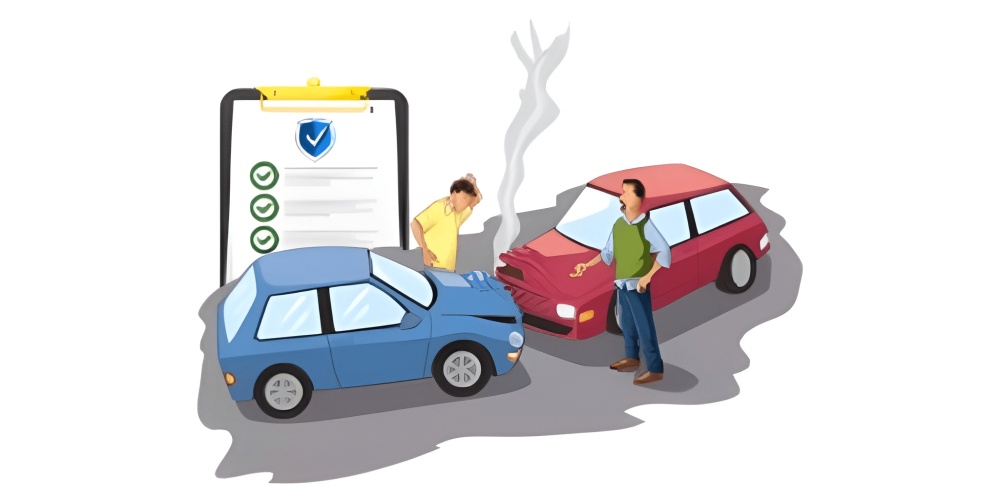
What Is Full Coverage Car Insurance?
Full coverage car insurance is a common phrase drivers use when they want more than just the legal minimum protection. Technically, “full coverage” is not a specific policy you can buy. Instead, it usually means a combination of coverages that protect:
- Your car
- Other people’s injuries and property
- Many common kinds of damage and accidents
In simple terms, full coverage car insurance usually includes:
- Liability coverage
- Collision coverage
- Comprehensive coverage
Many drivers choose full coverage because they want peace of mind. If you are still paying off your car loan or driving a newer vehicle, full coverage car insurance can help protect both your finances and your vehicle in many different situations.
What Does Full Coverage Car Insurance Typically Include?
Most people use the phrase “full coverage car insurance” when their policy combines several types of protection. Here are the main parts usually involved.
1. Liability coverage
Liability coverage is usually required by law. It pays when you are at fault in an accident and someone else is hurt or their property is damaged.
Liability coverage typically has two main pieces:
- Bodily injury liability: Helps pay for medical bills, lost wages, and related costs for other people injured in an accident you caused.
- Property damage liability: Helps pay to repair or replace someone else’s car or other damaged property, like a fence, building, or mailbox.
Even if you have full coverage car insurance, you still need liability coverage. In fact, liability is the foundation of almost every auto policy. Full coverage just adds more protection on top.
2. Collision coverage
Collision coverage helps pay to repair or replace your own car after a crash, regardless of who was at fault. It usually applies when your vehicle:
- Hits another vehicle
- Hits a stationary object, like a pole or guardrail
- Rolls over
If you hav a loan or lease, your lender will almost always require collision coverage as part of your full coverage car insurance. Without collision, you would need to pay out of pocket to fix or replace your car after an at‑fault accident.
3. Comprehensive coverage
Comprehensive coverage takes care of many non‑collision events. It covers damage to your vehicle that is not caused by a typical crash. Examples include:
- Theft or attempted theft
- Vandalism (keying, broken windows, graffiti)
- Fire and explosions
- Natural disasters, such as hail, floods, storms, and falling objects
- Hitting an animal, like a deer
- Certain weather‑related glass damage
Many drivers think of comprehensive coverage as “everything else beyond a crash.” While that is not technically true (there are still exclusions), comprehensive is a major part of most full coverage car insurance policies.
Optional Coverages Often Included With “Full Coverage”
Different insurance companies define full coverage car insurance in slightly different ways. Some policies may bundle in additional protections. Here are common extras that many drivers add to their “full coverage” package.
Uninsured and underinsured motorist coverage
Not everyone on the road carries enough (or any) insurance. Uninsured and underinsured motorist coverage helps if:
- The other driver is at fault
- They do not have insurance, or they do not have sufficient limits
- You or your passengers are injured
This coverage can help pay medical bills and sometimes lost wages or pain and suffering, depending on your state. Many people consider this a smart part of full coverage car insurance.
Medical payments or personal injury protection (PIP)
These coverages help pay for medical expenses for you and your passengers after an accident, regardless of who is at fault.
- Medical payments (MedPay): Usually covers medical bills up to a set limit.
- Personal injury protection (PIP): Often broader and may cover medical bills, lost income, and sometimes even childcare or funeral expenses, depending on state law.
Some states require PIP, while others offer it as optional. When people say they want strong full coverage car insurance, PIP or MedPay is often part of that safety net.
Roadside assistance
Roadside assistance is an inexpensive add‑on that can be linked with your full coverage car insurance policy. It usually helps with:
- Towing
- Jump‑starting a dead battery
- Flat tire changes
- Lockout service
- Fel delivery
Although it is not strictly part of core full coverage, many insurers bundle it, and many drivers expect it with more complete protection.
Rental reimbursement
Rental reimbursement coverage helps pay for a rental car if your vehicle is in the shop due to a covered claim. For example, if a collision or comprehensive claim takes your car out of commission for a week, this coverage can help you stay mobile without huge rental costs.
What Full Coverage Car Insurance Does NOT Cover
Despite the name, full coverage car insurance does not cover everything. The phrase can be misleading if you assume it means “no matter what happens, everything is paid for.” There are limits and exclusions to be aware of.
Common things full coverage car insurance does not cover include:
- Normal wear and tear: Old tires, worn brakes, and routine maintenance issues are not covered.
- Mechanical breakdowns: Engine failure or transmission problems from age or mechanical defects are usually not covered.
- Personal items inside the car: Items like laptops, phones, or clothing are often covered under homeowners or renters insurance, not auto.
- Rideshare activities: Driving for rideshare services like Uber or Lyft may require special coverage or a commercial policy.
- Intentional damage: Any damage you cause on purpose will not be covered.
Even with strong full coverage car insurance policy, you still need to read the details, ask questions, and understand exactly what is and is not protected.
Do You Really Need Full Coverage Car Insurance?
Whether full coverage car insurance makes sense depends on your situation. There is no single answer for everyone. Consider the following factors.
Value of your vehicle
If your car is new or worth a lot of money, full coverage car insurance is usually wise. The cost of repairing or replacing a high‑value vehicle can be huge. Without collision and comprehensive, you may face a major financial hit after a crash, theft, or natural disaster.
On the other hand, if your car is old and not worth much, the cost of full coverage might not be justified. As a rough test:
- Look up your vehicle’s current market value.
- Compare it to how much you pay each year for collision and comprehensive.
If your annual cost for these parts of your full coverage car insurance is close to what your car is worth, you may want to think about dropping them and carrying only liability.
Loan or lease requirements
If you are financing or leasing your car, full coverage car insurance is usually required. Lenders and leasing companies want to protect their investment. They often demand:
- Collision coverage
- Comprehensive coverage
- Certain minimum liability limits
In these situations, dropping full coverage is not an option until you fully own your car.
Your financial situation
Full coverage car insurance can protect you from large, unexpected expenses. If paying several thousand dollars out of pocket after a total loss would be very difficult, then full coverage can make sense.
Ask yourself:
- Could your savings cover a replacement vehicle if yours is totaled or stolen?
- Would a sudden large expense put serious stress on your budget?
If the answer is yes, then full coverage car insurance offers valuable peace of mind.
Your risk level and driving habits
Consider how and where you drive:
- Do you commute long distances or drive in heavy traffic?
- Do you live in an area with high theft, vandalism, or weather risks?
- Do you park on the street instead of in a garage?
High‑risk environments and long daily drives increase the chance that you will need to use your full coverage car insurance.
How Much Does Full Coverage Car Insurance Cost?
The cost of full coverage car insurance varies widely. Prices depend on many factors, including:
- Your age and driving record
- The type, year, and value of your vehicle
- Where you live and where you park
- Your annual mileage
- Your chosen coverage limits
- Your deductible amounts
In general, full coverage car insurance costs more than a bare‑minimum liability‑only policy, because it protects more things. However, there are ways to manage the price.
Raising your deductibles
A deductible is the amount you pay out of pocket before your insurance kicks in for certain claims. Collision and comprehensive typically have deductibles.
- Higher deductibles = lower premiums
- Lower deductibles = higher premiums
For example, moving from a 200200200 to a 500500500 or 1,0001{,}0001,000 deductible can noticeably lower the cost of full coverage car insurance. Just make sure you can afford the deductible amount if a claim occurs.
Adjusting your limits and add‑ons
Choosing appropriate liability limits and deciding which extras you need affects your premium.
- Higher liability limits cost more but offer more protection.
- Optional add‑ons like rental reimbursement and roadside assistance are usually inexpensive but still add to the final price.
Balancing these features helps you shape a full coverage car insurance policy that fits your budget and risk tolerance.
Shopping around
Different companies price full coverage car insurance differently. It is wise to:
- Get quotes from multiple insurers
- Compare not only the price but also the coverage details and service reputation
- Ask about discounts for safe driving, bundling home and auto, or installing safety devices
Spending a little time comparing options can save a significant amount each year on full coverage car insurance.
How to Choose the Right Full Coverage Car Insurance
Choosing the best full coverage car insurance is about more than just the lowest price. Consider these steps.
1. Decide what you need protected
Think about:
- Your car’s value and age
- How much you drive
- Your financial safety net
This helps you decide whether full coverage car insurance is necessary and which extras matter most.
2. Set coverage limits
You will need to choose:
- Liability limits (for bodily injury and property damage)
- Deductibles for collision and comprehensive
- Limits for optional coverages like uninsured motorist or PIP
Higher limits offer stronger protection but increase the cost. Many experts suggest choosing liability limits that protect your assets and income, not just the bare minimum required by law.
3. Compare multiple quotes
Once you know what you want in full coverage car insurance, compare the same coverage levels across several insurers. That way, you are truly comparing “apples to apples.”
Look at:
- Premium amount
- Coverage types and limits
- Deductibles
- Customer service reviews and claims satisfaction ratings
4. Review every year
Your needs and your car’s value change over time. Review your full coverage car insurance each year, especially if:
- Your car is getting older
- You pay off your loan
- Your driving habits change
You may decide to adjust or remove parts of full coverage as your situation evolves.
Common Myths About Full Coverage Car Insurance
Because the term is so popular, there are many misunderstandings about full coverage car insurance. Clearing these up helps you make smarter decisions.
Myth 1: Full coverage means “everything is covered”
Many drivers think full coverage car insurance will pay for absolutely any damage or situation. In reality, there are limits, exclusions, and deductibles. Mechanical failures, wear and tear, and many personal items are not covered.
Myth 2: Full coverage automatically includes roadside assistance and rental cars
Some insurers bundle these extras, but not all. You need to check if your full coverage car insurance policy actually lists roadside assistance and rental reimbursement or if they must be added separately.
Myth 3: Once you have full coverage, you never need to review it
Life changes. Your car ages, you move, your commute changes, or your financial picture improves. It is still important to review and adjust your full coverage car insurance regularly to avoid overpaying or being under‑protected.
Tips to Save Money on Full Coverage Car Insurance
If you want strong protection without overspending, consider these practical steps.
- Maintain a clean driving record. Avoiding accidents and tickets often leads to lower rates over time.
- Improve your credit, where allowed. In many states, better credit can help reduce the cost of full coverage car insurance.
- Bundle policies. Many insurers give discounts when you bundle auto with home, renters, or life policies.
- Drive fewer miles. If you reduce your annual mileage or work from home, ask about low‑mileage discounts.
- Take advantage of telematics. Some companies offer usage‑based or behavior‑based programs that track driving habits and reward safe drivers with lower rates.
Smart strategies like these keep full coverage car insurance affordable while still giving you the protection you need.
Who Should Strongly Consider Full Coverage?
Full coverage car insurance is especially important for:
- Drivers with newer or higher‑value cars
- Anyone with a car loan or lease
- People who park on the street or in higher‑crime areas
- Drivers who live in regions with severe weather or natural disaster risks
- Anyone who would struggle to replace a car out of pocket
Even if your state only requires liability, full coverage car insurance often makes sense in these situations because the financial risk of going without it is so high.
Frequently Asked Questions (FAQs)
1. What exactly is full coverage car insurance?
Full coverage car insurance is a common term for a policy that includes liability, collision, and comprehensive coverage, and sometimes extra options like uninsured motorist and medical payments. It is not a single official product, but a combination of coverages that protect both you and your vehicle in more situations than liability‑only coverage.
2. Is full coverage car insurance required by law?
No. Most states only require liability coverage. However, if you finance or lease your car, the lender or leasing company will usually require full coverage car insurance, including collision and comprehensive, to protect their interest in the vehicle.
3. How much does full coverage car insurance cost?
The cost of full coverage car insurance varies based on your driving record, location, age, type of vehicle, coverage limits, and deductibles. It typically costs more than minimum‑liability insurance but provides much broader protection. Getting quotes from multiple insurers is the best way to find an accurate price for your situation.
4. When should I drop full coverage?
Drivers often consider dropping full coverage car insurance when their vehicle is older and has a low market value. If the cost of collision and comprehensive each year is close to the value of the car, it might not be worth carrying. Before making this decision, think about whether you could afford to repair or replace the car without insurance help.
5. Does full coverage car insurance cover theft?
Yes, theft is usually covered under the comprehensive part of your full coverage car insurance policy. If your car is stolen or damaged during an attempted theft, comprehensive coverage can help pay for repair or replacement, subject to your deductible and policy limits.
6. Does full coverage car insurance cover rental cars?
Full coverage car insurance does not always include rental car coverage by default. Rental reimbursement is usually an optional add‑on that pays for a rental vehicle while your car is being repaired after a covered claim. Check your policy documents or ask your insurer if this is included.
7. Does full coverage protect me if I hit an animal?
Yes, hitting an animal such as a deer is usually covered by the comprehensive part of full coverage car insurance, not collision. If the animal damage is covered, your insurer will help pay for repairs after you pay the comprehensive deductible.
8. Will full coverage car insurance cover my personal belongings?
Generally, no. Full coverage car insurance protects the vehicle itself, not personal items inside it. Belongings like laptops, phones, or luggage are usually covered under homeowners or renters insurance, subject to those policy terms and deductibles.
9. Can full coverage car insurance be customized?
Yes. You can adjust liability limits, choose different deductibles for collision and comprehensive, and add or remove options like roadside assistance, rental reimbursement, and uninsured motorist coverage. A good agent or online quote tool can help you build a full coverage car insurance package that matches your needs and budget.
10. How do I know if my policy is really full coverage?
Review your declarations page, which lists all the types of coverage and their limits. If you see liability, collision, and comprehensive at a minimum, you likely have what most people call full coverage car insurance. If you are unsure, contact your insurer and ask them to explain your coverages in simple terms.














Leave A Comment
0 Comment