

Running a business comes with opportunities, growth, and profits, but it also involves risks. Every business, whether small or large, faces challenges that can lead to financial losses. A customer may get injured on your premises, a fire may damage your property, or a lawsuit could threaten your company's finances. This is where understanding what is business insurance becomes important.
Business insurance acts as a financial safety net that protects companies from unexpected events. It helps businesses recover from losses, continue operations, and avoid major financial setbacks. Whether you own a startup, retail store, manufacturing company, or online business, having the right insurance coverage can make a significant difference.
This guide explains what is business insurance, how it works, the different types available, and why it is essential for businesses of all sizes.
What Is Business Insurance?
Business insurance is a type of coverage designed to protect companies from financial losses caused by accidents, property damage, lawsuits, employee-related risks, and other unexpected events.
When a covered event occurs, the insurance company helps pay for the losses according to the policy terms. In exchange for this protection, the business owner pays a premium to the insurer.
Understanding what is business insurance is crucial because no business is completely free from risk. Even the most successful companies can face legal claims, natural disasters, theft, or operational interruptions.
Business insurance helps reduce these risks by providing financial support when unexpected situations arise.
Why Business Insurance Is Important
Many business owners believe insurance is an unnecessary expense until a problem occurs. However, one unexpected incident can lead to substantial financial losses.
Here are some reasons why business insurance is important:
Protects Business Assets
Business assets such as buildings, equipment, inventory, and furniture can be expensive to replace. Insurance helps cover repair or replacement costs if they are damaged.
Reduces Financial Risk
A lawsuit or major accident can create significant financial burdens. Insurance helps cover these costs and prevents businesses from facing severe losses.
Supports Business Continuity
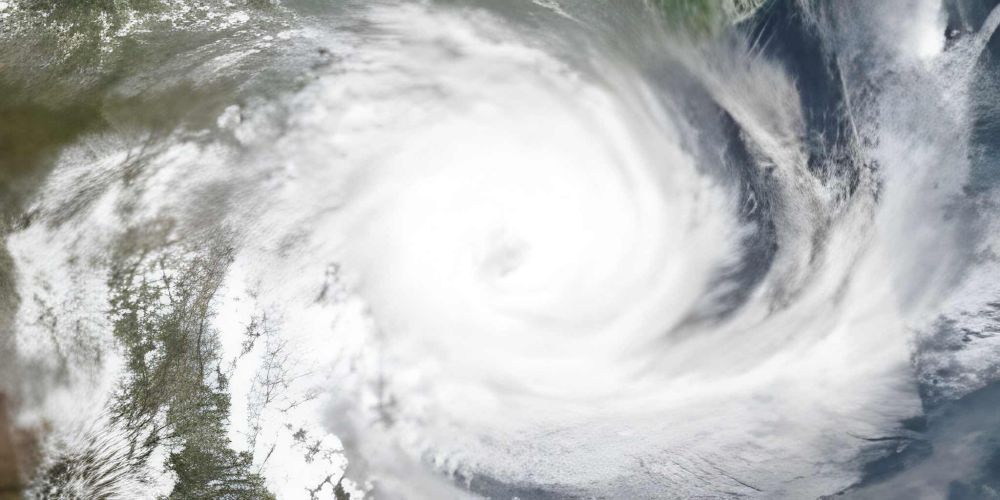
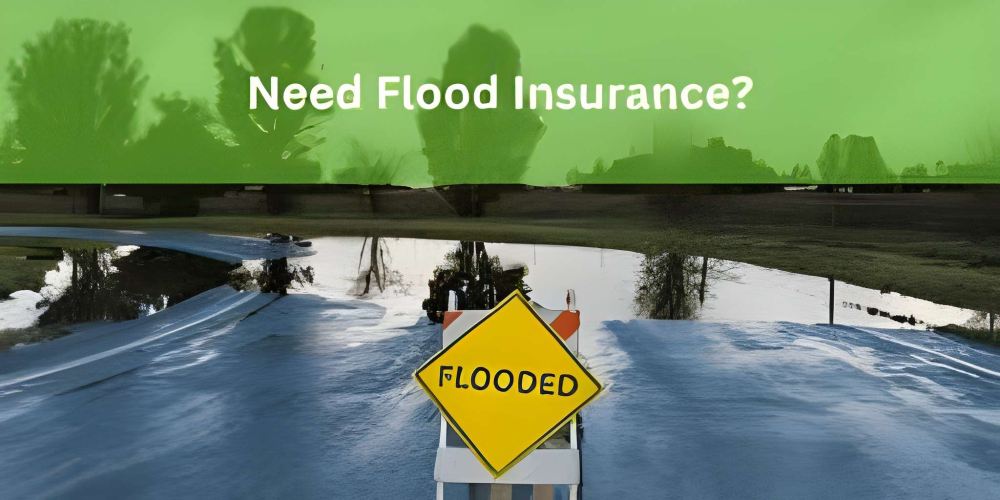
After disasters such as fires, floods, or storms, insurance can help businesses continue operations and recover faster.
Builds Credibility
Customers, investors, and business partners often prefer working with insured companies because they appear more professional and reliable.
Meets Legal Requirements
Certain types of insurance may be legally required depending on your location, industry, and number of employees.
How Business Insurance Works
To understand what is business insurance, it is important to know how it functions.
The process generally involves the following steps:
- The business owner purchases an insurance policy.
- The insurer assesses the risks associated with the business.
- The business pays regular premiums.
- If a covered event occurs, the business files a claim.
- The insurer investigates the claim.
- If approved, compensation is provided according to policy terms.
The amount paid depends on the coverage limits, deductibles, and conditions outlined in the policy.
Types of Business Insurance
There are several types of business insurance available. Each covers different risks and situations.
General Liability Insurance
General liability insurance is one of the most common forms of business coverage.
It protects businesses against claims involving:
- Bodily injury
- Property damage
- Advertising injuries
- Legal defense costs
For example, if a customer slips and falls inside your store, general liability insurance may help cover medical expenses and legal costs.
Commercial Property Insurance
Commercial property insurance protects physical business assets such as:
- Buildings
- Equipment
- Inventory
- Furniture
- Computers
This coverage helps businesses recover after events like fires, storms, vandalism, or theft.
Business Interruption Insurance
Business interruption insurance provides financial support when operations are temporarily halted due to covered events.
It can help cover:
- Lost income
- Rent payments
- Employee wages
- Utility expenses
This coverage is especially valuable after natural disasters or major property damage.
Professional Liability Insurance
Also known as errors and omissions insurance, professional liability insurance protects businesses that provide professional services.
It covers claims related to:
- Negligence
- Mistakes
- Misrepresentation
- Professional errors
Consultants, accountants, lawyers, and healthcare professionals commonly purchase this coverage.
Workers' Compensation Insurance
Workers' compensation insurance provides benefits to employees who are injured or become ill due to work-related activities.
Coverage may include:
- Medical expenses
- Rehabilitation costs
- Lost wages
- Disability benefits
In many regions, employers are legally required to carry workers' compensation insurance.
Commercial Auto Insurance
Businesses that use vehicles for operations should consider commercial auto insurance.
It covers:
- Vehicle damage
- Bodily injuries
- Property damage
- Legal expenses
This coverage is different from personal auto insurance and is designed specifically for business use.
Cyber Liability Insurance
As businesses become more dependent on technology, cyber risks continue to grow.
Cyber liability insurance helps cover losses resulting from:
- Data breaches
- Cyberattacks
- Ransomware incidents
- Customer data theft
This insurance has become increasingly important for businesses that store sensitive information.
Product Liability Insurance
Companies that manufacture, distribute, or sell products may face lawsuits if their products cause harm.
Product liability insurance helps cover:
- Legal costs
- Settlements
- Medical expenses related to product defects
This coverage is particularly important for manufacturers and retailers.
Who Needs Business Insurance?
Many entrepreneurs wonder whether business insurance is necessary for them.
The simple answer is that nearly every business can benefit from insurance protection.
Businesses that commonly need coverage include:
- Retail stores
- Restaurants
- Construction companies
- Consulting firms
- Online businesses
- Manufacturing companies
- Healthcare providers
- Freelancers
- Technology companies
Even home-based businesses can face risks that make insurance worthwhile.
Factors That Affect Business Insurance Costs
The cost of business insurance varies depending on several factors.
Industry Type
Certain industries carry higher risks than others. For example, construction companies often pay higher premiums than consulting firms.
Business Size
Larger businesses typically require more coverage because they have more assets and employees.
Location
Business location can influence insurance costs. Areas prone to natural disasters may have higher premiums.
Claims History
Businesses with previous insurance claims may face higher rates.
Coverage Limits
Higher coverage limits generally result in higher premiums.
Number of Employees
More employees can increase exposure to workplace injuries and liability claims.
Benefits of Business Insurance
Understanding what is business insurance also means recognizing its advantages.
Financial Protection
Insurance helps businesses manage unexpected expenses and losses.
Peace of Mind
Owners can focus on growth without constantly worrying about potential risks.
Legal Compliance
Certain policies help businesses comply with local regulations.
Customer Confidence
Customers may feel more comfortable working with insured businesses.
Long-Term Stability
Insurance helps companies survive unexpected events and maintain operations.
Common Risks Covered by Business Insurance
Business insurance policies can protect against numerous risks, including:
- Fire damage
- Theft
- Vandalism
- Storm damage
- Employee injuries
- Customer injuries
- Professional mistakes
- Cyberattacks
- Product-related claims
- Business interruptions
Coverage varies depending on the policy selected.
What Business Insurance May Not Cover
Although business insurance provides extensive protection, it does not cover everything.
Common exclusions may include:
- Intentional wrongdoing
- Fraudulent activities
- Normal wear and tear
- Certain natural disasters
- Contract disputes
- Criminal acts
Business owners should carefully review policy documents to understand exclusions.
How to Choose the Right Business Insurance
Selecting the right policy requires careful planning.
Assess Your Risks
Identify the potential risks your business faces.
Understand Legal Requirements
Research any insurance requirements applicable to your industry.
Compare Policies
Review coverage options from multiple insurers.
Evaluate Coverage Limits
Ensure coverage limits are sufficient to protect your assets.
Consider Future Growth
Choose policies that can adapt as your business expands.
Work With Professionals
Insurance agents and brokers can help identify suitable coverage options.
Mistakes to Avoid When Buying Business Insurance
Many business owners make avoidable mistakes when purchasing insurance.
Choosing the Cheapest Policy
Low-cost policies may not provide adequate protection.
Ignoring Policy Exclusions
Failing to understand exclusions can lead to unpleasant surprises during claims.
Underinsuring Assets
Insufficient coverage may leave businesses responsible for large expenses.
Not Updating Coverage
Businesses evolve over time, and insurance policies should reflect those changes.
Skipping Cyber Coverage
Many businesses underestimate the growing threat of cybercrime.
Business Insurance for Small Businesses
Small businesses often operate with limited resources, making insurance even more important.
A single lawsuit or disaster could threaten the survival of a small company.
Common insurance options for small businesses include:
- General liability insurance
- Property insurance
- Workers' compensation insurance
- Cyber liability insurance
- Professional liability insurance
Small business owners should regularly review coverage as their operations grow.
Future Trends in Business Insurance
The business insurance industry continues to evolve.
Emerging trends include:
Increased Cyber Protection
Cyber insurance demand is rising as digital threats become more sophisticated.
Customized Policies
Insurers are offering more tailored coverage options based on industry-specific risks.
Technology-Based Pricing
Advanced analytics and artificial intelligence are helping insurers assess risks more accurately.
Climate-Related Coverage
Businesses are increasingly seeking protection against weather-related events and environmental risks.
Conclusion
Understanding what is business insurance is essential for protecting your company's future. Business insurance provides financial support when unexpected events threaten operations, assets, or profitability. Whether you run a small startup or a large corporation, having the right coverage can help you manage risks and recover from setbacks.
From general liability and property insurance to cyber liability and workers' compensation coverage, there are many options available to meet different business needs. By assessing risks, comparing policies, and choosing appropriate coverage, business owners can build a stronger foundation for long-term success.
Investing in business insurance is not just about meeting legal requirements; it is about protecting everything you have worked hard to build.
FAQs
What is business insurance?
Business insurance is coverage that protects companies from financial losses caused by accidents, lawsuits, property damage, employee injuries, and other unexpected events.
Why is business insurance important?
Business insurance helps protect assets, reduce financial risks, maintain operations after disruptions, and provide legal protection when claims arise.
Is business insurance legally required?
Some types of insurance, such as workers' compensation and commercial auto insurance, may be legally required depending on local laws and business activities.
How much does business insurance cost?
The cost depends on factors such as business size, industry, location, coverage limits, and claims history.
Can small businesses benefit from business insurance?
Yes. Small businesses often have fewer financial resources, making insurance protection especially important.
What does general liability insurance cover?
General liability insurance typically covers bodily injury claims, property damage claims, legal expenses, and certain advertising-related claims.
Does business insurance cover cyberattacks?
Cyber liability insurance can help cover losses related to data breaches, hacking incidents, and other cyber threats.
How do I choose the right business insurance policy?
Assess your risks, compare coverage options, understand policy exclusions, and consult an insurance professional when needed.
What happens if I do not have business insurance?
Without insurance, your business may have to pay for lawsuits, damages, property losses, and other expenses out of pocket.
Can business insurance be customized?
Yes. Many insurers offer customized policies that allow businesses to select coverage based on their specific risks and operational needs.
















Leave A Comment
0 Comment