
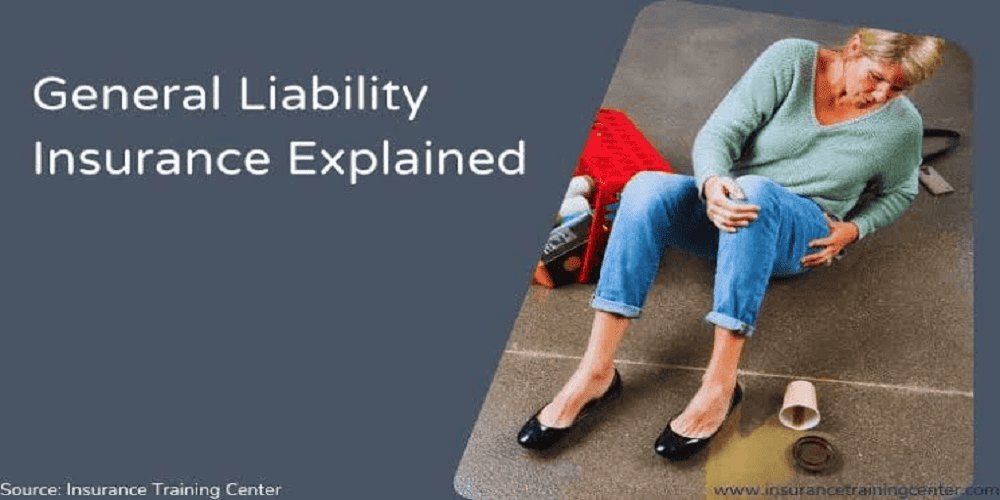
Not every insurance policy provides the same level of protection. Before purchasing general liability insurance for small businesses, compare multiple providers and review the details of each policy instead of focusing only on price.
Start by checking the coverage limits. A policy with a low premium may also have lower protection, which could leave your business exposed during a costly lawsuit. Make sure the policy includes adequate coverage for bodily injury, property damage, legal defense costs, and advertising injuries.
Next, review the deductible. Some policies require the business owner to pay a portion of the claim before insurance coverage begins. Understanding this amount helps you avoid unexpected expenses.
Customer service also matters. An insurer with responsive claims support can make a stressful situation much easier to manage. Reading customer reviews and checking financial strength ratings can help you choose a dependable company.
Finally, ask whether your policy can grow with your business. As your company expands, you may need higher limits or additional coverage options.
Industries That Benefit from General Liability Insurance for Small Businesses
Almost every industry can benefit from general liability insurance for small businesses, but some face greater risks than others.
Contractors and Construction Companies
Construction professionals frequently work on client properties, making accidental damage or injuries more likely. Liability insurance helps protect against expensive claims.
Retail Stores
Customers visit retail locations every day. Slip-and-fall accidents or damaged customer property can result in legal action.
Restaurants and Cafes
Food businesses experience constant customer traffic, increasing the chance of accidents inside the establishment.
Cleaning Services
Cleaning professionals often work inside homes and offices. If valuable property is accidentally damaged, liability insurance may help cover repair or replacement costs.
Consultants and Freelancers
Even businesses without physical storefronts can face advertising injury or property damage claims while visiting client locations.
Landscapers
Landscaping equipment can accidentally damage fences, windows, vehicles, or neighboring property. General liability coverage helps manage these risks.
Beauty Salons
Hair salons, nail salons, and spas welcome customers daily. A client injury inside the business could lead to legal expenses.
Home-Based Businesses
Working from home does not eliminate liability risks. Clients visiting your home office or business activities conducted off-site may require coverage.
How to File a General Liability Insurance Claim
Knowing the claims process helps business owners respond quickly after an incident.
Report the Incident Immediately
Notify your insurance provider as soon as possible after an accident occurs. Delayed reporting may complicate the claims process.
Gather Evidence
Take photographs, collect witness statements, and document the incident thoroughly. Detailed records support your claim.
Cooperate with the Insurance Company
The insurance company may request additional information or investigate the incident. Respond promptly to avoid unnecessary delays.
Maintain Accurate Business Records
Invoices, contracts, maintenance records, and communication logs may help verify your case during the investigation.
Follow Legal Advice
If legal action is involved, your insurer may assign an attorney to represent your business. Follow professional guidance throughout the process.
Common Mistakes Small Business Owners Make
Many businesses purchase general liability insurance for small businesses, but still make costly mistakes.
One common mistake is choosing coverage based only on the lowest premium. While saving money is important, inadequate coverage can become far more expensive during a lawsuit.
Another mistake is failing to update the policy as the business grows. Hiring employees, moving to a larger location, or expanding services may require increased protection.
Some owners assume general liability insurance covers everything. In reality, separate policies may still be needed for professional liability, cyber risks, commercial vehicles, or employee injuries.
Ignoring policy exclusions is another frequent error. Reading the policy carefully helps you understand what is and is not covered.
Finally, delaying claim reporting can create unnecessary complications. Prompt communication with your insurer is always recommended.
Tips for Reducing Liability Risks
Although general liability insurance for small businesses offers valuable protection, preventing accidents remains the best strategy.
Train employees on workplace safety procedures.
Inspect business premises regularly.
Repair hazards immediately.
Maintain clear walkways and entrances.
Use warning signs when cleaning floors.
Keep accurate customer records.
Review contracts before signing.
Follow local safety regulations.
Maintain equipment properly.
Document incidents immediately after they occur.
These practices reduce risks while creating a safer environment for employees and customers.
Can You Bundle General Liability Insurance?
Many insurers allow businesses to combine general liability insurance for small businesses with other commercial insurance products.
A Business Owner's Policy (BOP) commonly combines:
- General liability insurance
- Commercial property insurance
- Business interruption insurance
Bundling policies often provides better value than purchasing separate coverage individually.
Businesses needing broader protection may also add:
- Professional liability insurance
- Commercial auto insurance
- Cyber liability insurance
- Workers' compensation insurance
- Employment practices liability insurance
- Equipment breakdown coverage
Choosing the right combination depends on your business operations and industry.
How Often Should You Review Your Policy?
Business needs change over time, making regular policy reviews essential.
Review your general liability insurance for small businesses policy annually or whenever major business changes occur.
Examples include:
- Hiring additional employees
- Expanding to a new location
- Purchasing expensive equipment
- Launching new services
- Increasing annual revenue
- Working with larger commercial clients
Updating coverage ensures your insurance continues to match your current level of risk.
Why Every Small Business Should Consider Liability Protection
Many entrepreneurs believe accidents happen only to larger companies. In reality, small businesses often face the same legal risks with fewer financial resources.
A single lawsuit can involve legal fees, settlement costs, medical expenses, and court judgments totaling thousands—or even hundreds of thousands—of dollars. General liability insurance for small businesses provides financial support when unexpected incidents occur.
Whether you own a retail store, consulting agency, cleaning company, landscaping business, restaurant, or home-based operation, liability protection offers confidence that your business is prepared for common legal risks.
Rather than viewing insurance as an expense, successful business owners often consider it an investment in long-term stability and business continuity.
Conclusion
Running a business always involves some level of risk. Customer injuries, property damage, advertising disputes, and legal claims can occur without warning. General liability insurance for small businesses helps protect your company from many of these everyday risks by covering legal expenses, settlements, and other eligible costs.
Choosing the right policy requires comparing coverage limits, exclusions, deductibles, and insurer reputation. Reviewing your insurance regularly ensures your protection grows alongside your business.
While no insurance policy eliminates every risk, having general liability insurance for small businesses can provide the financial security needed to focus on serving customers and growing your company with greater confidence.
FAQs
What is general liability insurance for small businesses?
General liability insurance for small businesses protects companies against third-party claims involving bodily injury, property damage, advertising injury, and legal defense costs.
Is general liability insurance required by law?
It is not always legally required, but many landlords, clients, vendors, and contracts require businesses to carry liability insurance before working together.
Does general liability insurance cover employee injuries?
No. Employee injuries are generally covered by workers' compensation insurance rather than general liability insurance.
How much does general liability insurance for small businesses cost?
Premiums vary depending on industry, business size, location, revenue, coverage limits, and claims history.
Does general liability insurance cover professional mistakes?
No. Professional errors or negligent advice are typically covered by professional liability insurance, also known as errors and omissions insurance.
Can home-based businesses purchase general liability insurance?
Yes. Home-based businesses can benefit from general liability insurance, especially if they meet clients, visit customer locations, or sell products.
How can I lower my insurance premium?
Improving workplace safety, maintaining a clean claims history, choosing appropriate deductibles, and bundling policies can help reduce premiums.
When should I buy general liability insurance for small businesses?
Ideally, you should purchase coverage before beginning operations so your business is protected from the first day you start serving customers.





















Leave A Comment
0 Comment