

Owning a rental property can be an excellent way to build wealth and create a steady source of income. However, every rental property comes with risks. Unexpected events such as fires, storms, tenant damage, lawsuits, and loss of rental income can lead to significant financial losses. This is where landlord insurance for rental property becomes essential.
Many property owners believe that standard homeowners insurance is enough to protect their investment. Unfortunately, this is not true. Once a property is rented to tenants, the risks change, and homeowners insurance may no longer provide adequate protection. Landlord insurance is specifically designed to cover rental properties and the unique challenges landlords face.
This guide explains everything you need to know about landlord insurance for rental property, including coverage options, benefits, costs, and tips for choosing the right policy.
What Is Landlord Insurance for Rental Property?
Landlord insurance for rental property is a specialized insurance policy designed to protect property owners who rent out their homes, apartments, or commercial units to tenants. It provides financial protection against damages, liability claims, and loss of rental income resulting from covered events.
Unlike homeowners insurance, landlord insurance is created specifically for rental situations where the owner does not occupy the property full-time.
Whether you own a single-family home, duplex, apartment building, or vacation rental, having the right insurance coverage can save you from major financial setbacks.
Why Is Landlord Insurance Important?
Rental properties are investments that generate income. However, they also expose landlords to several risks, including:
- Property damage caused by fire or storms
- Tenant injuries on the property
- Legal expenses from liability claims
- Vandalism or theft
- Loss of rental income due to property damage
- Tenant-caused destruction
Without landlord insurance for rental property, landlords may have to pay these expenses out of pocket, which can be financially devastating.
A proper insurance policy provides peace of mind and ensures your investment remains protected.
What Does Landlord Insurance Cover?
The exact coverage depends on the insurance company and policy type. However, most landlord insurance policies include the following protections.
Property Damage Coverage
This coverage protects the physical structure of the rental property from covered perils such as:
- Fire
- Lightning
- Windstorms
- Hail
- Smoke damage
- Explosions
- Certain types of water damage
If the building is damaged, the insurance company pays for repairs or rebuilding costs up to the policy limits.
Liability Protection
Liability coverage is one of the most important components of landlord insurance for rental property.
If someone gets injured on your rental property and files a lawsuit against you, liability insurance can help cover:
- Medical expenses
- Legal fees
- Court costs
- Settlement expenses
For example, if a tenant slips on an icy walkway and suffers injuries, your liability insurance may cover the associated expenses.
Loss of Rental Income Coverage
If your rental property becomes uninhabitable due to a covered event, you may lose rental income while repairs are being completed.
Loss of rental income coverage reimburses landlords for the rental income they would have earned during this period.
This protection can be extremely valuable because rental income often helps pay mortgages and other expenses.
Other Structures Coverage
Many rental properties include detached structures such as:
- Garages
- Fences
- Storage sheds
- Guest houses
Landlord insurance may also cover damage to these structures.
What Is Not Covered by Landlord Insurance?
Although landlord insurance for rental property offers extensive protection, there are certain exclusions.
Common exclusions include:
Tenant Belongings
A landlord's policy does not cover tenants' personal property such as:
- Furniture
- Clothing
- Electronics
- Appliances
Tenants should purchase renters insurance to protect their belongings.
Flood Damage
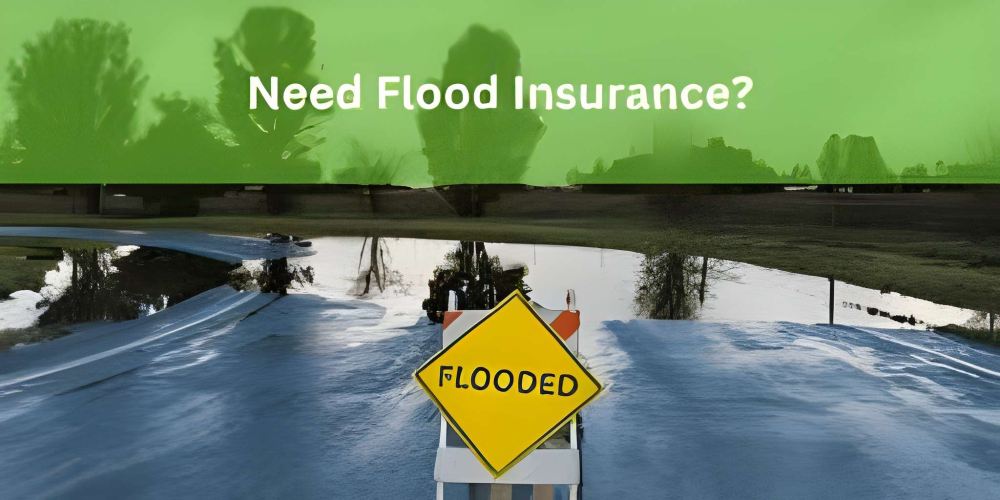
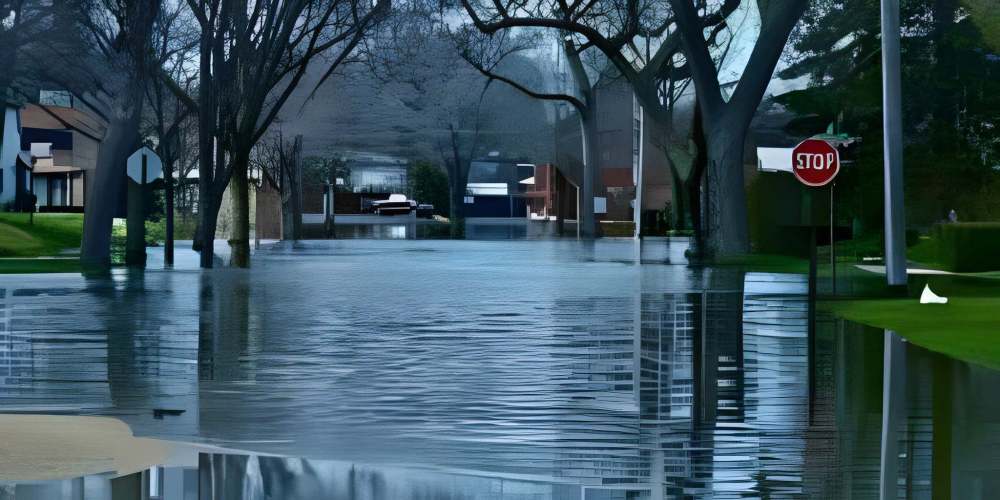
Most standard policies exclude flood damage. Property owners in flood-prone areas may need separate flood insurance.
Earthquake Damage
Earthquake coverage is often excluded and requires a separate policy.
Normal Wear and Tear
Insurance does not cover maintenance issues or gradual deterioration.
Examples include:
- Aging roofs
- Plumbing problems due to neglect
- Paint damage
- Old flooring
Intentional Damage by the Landlord
Insurance companies do not cover damages caused intentionally by the property owner.
Types of Rental Properties That Need Landlord Insurance
Landlord insurance for rental property is suitable for many types of properties, including:
Single-Family Rental Homes
Owners renting out an individual house should have landlord insurance.
Duplexes and Multi-Family Homes
Buildings containing multiple rental units need specialized coverage because the risks are greater.
Vacation Rentals
Short-term rentals can benefit from landlord insurance that includes coverage for frequent guest turnover.
Condominiums
Rental condos may need a landlord policy in addition to coverage provided by the homeowners association.
Commercial Rental Properties
Commercial landlords require specialized insurance tailored to business tenants and commercial risks.
How Much Does Landlord Insurance Cost?
The cost of landlord insurance for rental property depends on several factors.
Property Location
Properties located in areas with higher crime rates or severe weather may have higher premiums.
Property Value
More expensive properties generally cost more to insure.
Age of the Building
Older properties may require higher premiums because they can be more expensive to repair.
Type of Construction
Construction materials and building quality affect insurance costs.
Coverage Limits
Higher coverage limits lead to higher premiums.
Deductible Amount
Choosing a larger deductible can reduce your premium.
Claims History
Landlords with previous claims may pay more for insurance.
In many cases, landlord insurance costs around 15 to 25 percent more than standard homeowners insurance.
How to Choose the Right Landlord Insurance
Choosing the best landlord insurance for rental property requires careful evaluation.
Assess Your Risks
Consider:
- Property location
- Weather risks
- Tenant type
- Property value
Understanding these risks helps determine the right amount of coverage.
Compare Multiple Insurance Companies
Getting quotes from several insurers can help you find competitive pricing and better coverage options.
Review Policy Limits
Make sure your policy provides enough coverage to rebuild the property if it is completely destroyed.
Understand Exclusions
Always read the policy carefully to understand what is and is not covered.
Consider Additional Coverage
Depending on your situation, additional coverage may be beneficial.
Optional Coverages for Landlords
Many insurance companies offer optional protections that can strengthen your policy.
Vandalism Coverage
This protects against damage caused intentionally by tenants or others.
Burglary Coverage
Provides protection for certain landlord-owned property.
Building Code Coverage
Helps pay for upgrades required by new building regulations after a covered loss.
Equipment Breakdown Coverage
Protects major systems and equipment from mechanical failures.
Flood Insurance
Recommended for properties located in flood-prone regions.
Umbrella Liability Insurance
Provides extra liability protection beyond your standard policy limits.
Landlord Insurance and Tenant Damage
One common question is whether landlord insurance for rental property covers tenant damage.
Coverage depends on the circumstances.
Accidental Damage
Some policies may cover accidental damage caused by tenants.
Intentional Damage
Intentional destruction by tenants is not always covered and may require additional endorsements.
Landlords should carefully review policy terms to understand these protections.
Why Renters Insurance Is Important for Tenants
While landlord insurance protects the property owner, renters insurance protects tenants.
Renters insurance typically covers:
- Personal belongings
- Temporary housing expenses
- Liability claims
Encouraging tenants to purchase renters insurance can reduce disputes after unexpected events.
How to Reduce Landlord Insurance Costs
There are several ways to lower the cost of landlord insurance for rental property.
Increase Your Deductible
A higher deductible usually means lower premiums.
Bundle Insurance Policies
Some insurers offer discounts when multiple policies are purchased together.
Install Safety Features
Security systems, smoke detectors, and fire alarms can reduce insurance costs.
Maintain the Property
Regular maintenance lowers the risk of claims.
Screen Tenants Carefully
Responsible tenants can help reduce property damage and liability risks.
Avoid Frequent Claims
Filing numerous small claims can increase future premiums.
Common Mistakes Landlords Make
Many property owners make insurance mistakes that can be costly.
Using Homeowners Insurance
A standard homeowners policy may not cover rental activities.
Underinsuring the Property
Insufficient coverage can leave landlords responsible for major expenses.
Ignoring Liability Coverage
Lawsuits can be extremely expensive.
Not Reviewing Policies Annually
Coverage needs often change over time.
Assuming Everything Is Covered
Reading policy details is essential to avoid surprises.
Benefits of Having Landlord Insurance
Investing in landlord insurance for rental property offers several advantages.
Financial Protection
Protects against costly repairs and lawsuits.
Peace of Mind
Landlords can focus on managing their investment without constant worry.
Rental Income Protection
Compensates for lost income when properties become uninhabitable.
Better Risk Management
Helps property owners handle unexpected situations effectively.
Long-Term Investment Security
Protects one of your most valuable assets.
Is Landlord Insurance Legally Required?
In most locations, landlord insurance is not legally required.
However, mortgage lenders often require property owners to maintain insurance coverage.
Even when not required by law, going without insurance can expose landlords to significant financial risk.
When Should You Buy Landlord Insurance?
You should purchase landlord insurance for rental property before tenants move in.
Waiting until after the property is rented can create coverage gaps and increase risks.
If you decide to convert your primary residence into a rental property, contact your insurance company immediately to update your policy.
Final Thoughts
Owning rental property can provide long-term financial rewards, but it also comes with responsibilities and risks. Property damage, legal claims, and unexpected events can quickly become expensive without proper protection.
Landlord insurance for rental property is an essential tool for safeguarding your investment. It provides coverage for building damage, liability claims, and lost rental income, helping landlords manage financial risks effectively.
Choosing the right policy requires understanding your property's needs, comparing insurance providers, and reviewing coverage details carefully. By investing in comprehensive landlord insurance, property owners can protect their assets, preserve their income, and enjoy greater peace of mind.
Frequently Asked Questions
What is landlord insurance for rental property?
Landlord insurance is a specialized policy that protects rental property owners from property damage, liability claims, and loss of rental income.
Is landlord insurance different from homeowners insurance?
Yes. Homeowners insurance is designed for owner-occupied homes, while landlord insurance is specifically created for rental properties.
Does landlord insurance cover tenant belongings?
No. Tenants need renters insurance to protect their personal belongings.
Does landlord insurance cover loss of rent?
Yes. Most policies include coverage for lost rental income if the property becomes uninhabitable because of a covered event.
Is landlord insurance mandatory?
It is usually not legally required, but many mortgage lenders require landlords to maintain insurance coverage.
How much landlord insurance do I need?
You should have enough coverage to rebuild the property completely and protect yourself against liability claims.
Can I deduct landlord insurance on my taxes?
In many cases, landlord insurance premiums can be treated as a business expense for rental property owners. Consult a tax professional for guidance.
Does landlord insurance cover natural disasters?
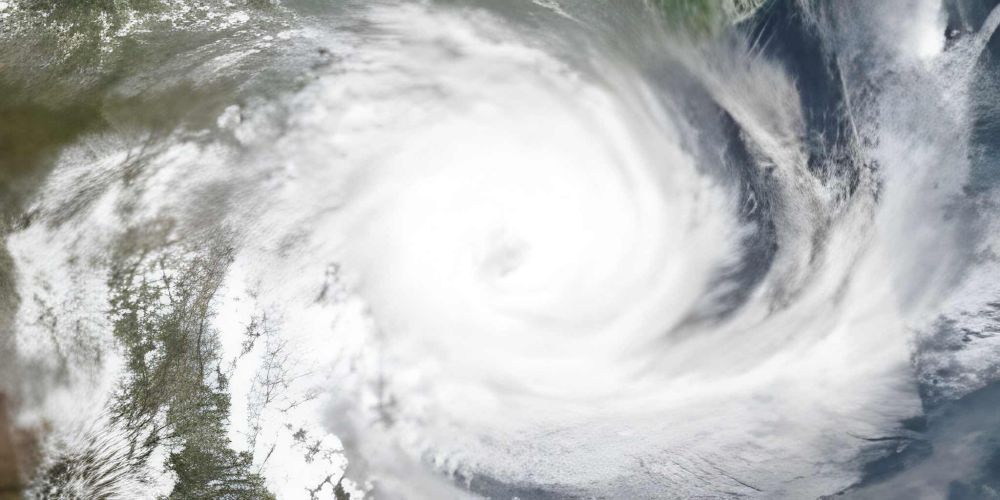
Coverage depends on the policy. Floods and earthquakes often require separate insurance policies.
Can I get landlord insurance for multiple properties?
Yes. Many insurance companies offer policies for landlords who own multiple rental properties.
Why is landlord insurance important?
Landlord insurance for rental property protects owners from financial losses caused by property damage, liability claims, and interruptions in rental income.


















Leave A Comment
0 Comment