

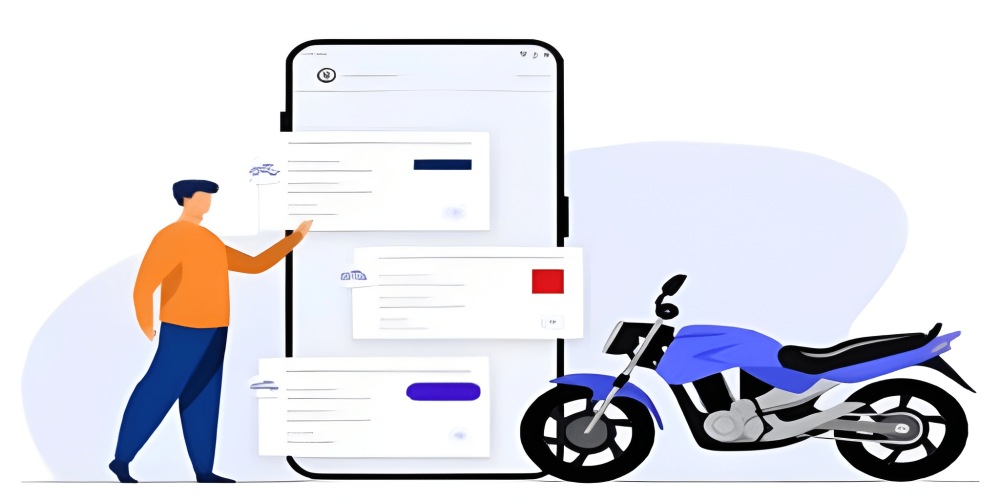
Buying cruiser bike insurance online is one of the easiest ways to protect your motorcycle. Most insurance providers have simplified the process so that riders can compare plans, calculate premiums, and purchase a policy within a few minutes.
Follow these steps to buy a policy online:
Compare Different Insurance Plans
Start by checking multiple insurance providers. Compare the coverage, premium amount, claim settlement ratio, customer support, and available add-on covers. Choosing a policy based only on the lowest premium may not provide sufficient protection.
Enter Bike Details
Provide accurate information about your cruiser motorcycle, including:
- Bike model
- Registration year
- Engine capacity
- Registration number
- Fuel type
Correct details help generate an accurate premium quote.
Select the Right Coverage
Choose between third-party insurance and comprehensive insurance depending on your requirements. If your bike is new or has a high market value, comprehensive cruiser bike insurance generally provides better financial protection.
Choose Add-On Covers
Many insurers allow you to customize your policy by selecting optional add-ons. These covers improve your overall protection and reduce unexpected expenses.
Review the Premium
Check the premium amount carefully before making payment. Ensure that all selected benefits are included.
Make Payment
Complete the payment using your preferred online payment method. After successful payment, your policy document is sent to your registered email address.
How to Renew Cruiser Bike Insurance
Renewing cruiser bike insurance before the expiry date is important. A lapse in insurance may expose you to financial losses and legal penalties.
The renewal process is simple:
- Visit the insurer's website.
- Enter your existing policy number.
- Verify bike details.
- Update information if required.
- Select additional coverage if needed.
- Pay the renewal premium.
- Download the renewed policy.
Timely renewal ensures uninterrupted protection and helps preserve your No Claim Bonus.
Documents Required for Cruiser Bike Insurance
Whether purchasing a new policy or renewing an existing one, you may need the following documents:
- Registration Certificate (RC)
- Previous insurance policy
- Identity proof
- Address proof
- Driving licence
- Passport-size photograph (if required)
- Pollution Under Control (PUC) certificate where applicable
Keeping these documents ready makes the application process faster.
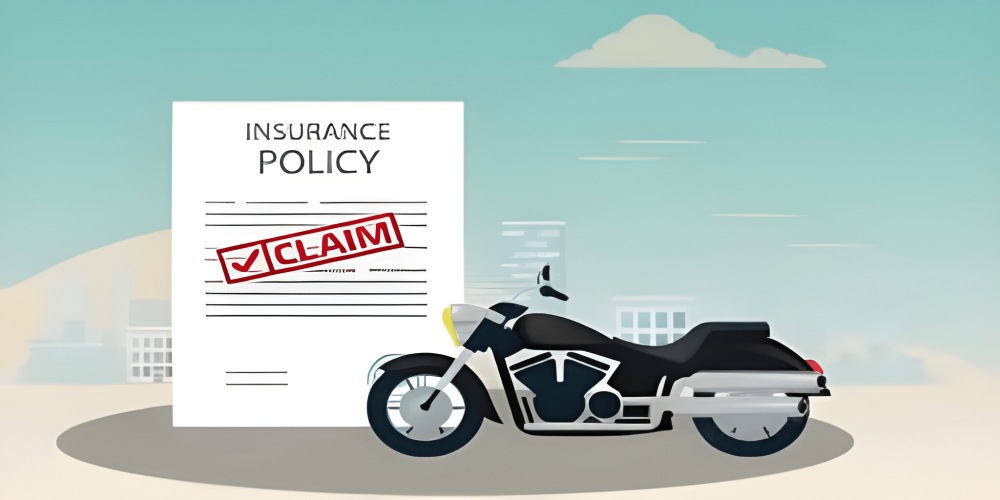
How to File a Cruiser Bike Insurance Claim
Knowing the claim process helps avoid unnecessary delays when an accident occurs.
Inform the Insurance Company
Notify the insurer immediately after the accident or theft. Most companies allow claims through their website, mobile application, or customer support number.
Register the Claim
Provide information such as:
- Policy number
- Date and time of the incident
- Location
- Description of damage
The insurer will assign a claim reference number.
Inspection
An insurance surveyor may inspect the damaged motorcycle to estimate repair costs.
Repair the Bike
For cashless claims, take the motorcycle to a network garage approved by the insurer.
For reimbursement claims, repairs can usually be completed at any garage, after which you submit the bills.
Submit Required Documents
Commonly required documents include:
- Claim form
- RC copy
- Driving licence
- Insurance policy
- Repair bills
- FIR in case of theft or major accidents
Claim Settlement
After verification, the insurer settles the claim according to the policy terms and conditions.
Cashless vs Reimbursement Claims
Understanding the difference between these two claim methods can help you choose the right option during emergencies.
Cashless Claim
The insurer directly pays the approved repair cost to the network garage. You only pay deductibles or non-covered expenses.
Reimbursement Claim
You first pay the repair bill yourself and later submit all invoices to the insurance company for reimbursement.
Cashless claims are generally more convenient because they reduce immediate financial burden.
Common Add-On Covers for Cruiser Bike Insurance
While standard policies provide basic protection, add-ons offer extra financial security.
Zero Depreciation Cover
This add-on allows you to receive compensation without deducting depreciation on replaced parts.
Engine Protection Cover
It covers repair expenses arising from water ingression, oil leakage, or engine damage not covered under a regular policy.
Roadside Assistance
Roadside assistance provides immediate help in situations like:
- Flat tyre
- Battery failure
- Fuel delivery
- Minor repairs
- Towing service
Consumables Cover
This add-on covers expenses related to engine oil, lubricants, nuts, bolts, washers, and similar consumable items.
Return to Invoice Cover
If your motorcycle suffers total loss or theft, this cover compensates the invoice value instead of the depreciated value.
Personal Belongings Cover
Some insurers offer protection for personal belongings carried on the motorcycle during the accident.
Tips to Reduce Cruiser Bike Insurance Premium
Although everyone wants comprehensive protection, reducing premium costs is equally important.
Maintain a Clean Riding Record
Avoid traffic violations and accidents. Safe riders often enjoy lower insurance premiums.
Renew Your Policy on Time
Timely renewal helps preserve your No Claim Bonus, reducing renewal costs.
Choose Voluntary Deductibles
Opting for a higher voluntary deductible can lower your premium. However, ensure the deductible remains affordable during claims.
Install Anti-Theft Devices
Certified anti-theft devices reduce theft risk and may qualify you for premium discounts.
Avoid Unnecessary Claims
Small repair costs may be paid from your pocket instead of filing frequent claims. This helps retain your No Claim Bonus.
Compare Policies Every Year
Insurance companies regularly update their plans. Comparing policies before renewal can help you find better coverage at competitive prices.
Common Mistakes to Avoid
Many bike owners make avoidable mistakes while purchasing cruiser bike insurance.
Some common errors include:
- Buying insurance based only on price.
- Ignoring policy exclusions.
- Providing incorrect bike information.
- Missing renewal dates.
- Skipping add-on covers for expensive motorcycles.
- Not reading claim procedures.
- Failing to update nominee details.
- Forgetting to inspect policy documents after purchase.
Avoiding these mistakes can save both time and money.
How to Choose the Best Cruiser Bike Insurance
Choosing the right insurance policy requires careful evaluation.
Consider the following points:
Check Coverage
Ensure the policy covers accidents, theft, natural disasters, fire, and third-party liabilities.
Review Claim Settlement Ratio
A higher claim settlement ratio generally indicates reliable customer service and smoother claims.
Network Garages
Choose insurers with a large network of cashless garages near your location.
Customer Reviews
Read genuine customer experiences regarding claim processing and after-sales support.
Compare Add-On Covers
Select insurers offering valuable add-ons at reasonable prices.
Evaluate Premium
A balanced policy offering adequate protection at a reasonable premium is often better than the cheapest option.
Why Comprehensive Cruiser Bike Insurance Is Worth It
Cruiser motorcycles are designed for comfort, long-distance travel, and premium riding experiences. Their repair costs are often higher than those of standard motorcycles. Comprehensive cruiser bike insurance helps reduce financial stress by covering repair expenses, theft losses, natural calamities, and third-party liabilities.
Whether you own your bike for daily commuting or weekend touring, the right insurance policy offers confidence every time you hit the road.
Conclusion
Purchasing cruiser bike insurance is an important step toward protecting both your motorcycle and your finances. A suitable policy safeguards you against accidents, theft, natural disasters, and unexpected repair expenses while ensuring compliance with legal requirements.
Before buying a policy, compare multiple insurers, understand the available coverage, review exclusions, and choose add-on covers based on your riding habits. Renew your policy on time, ride responsibly, and maintain a good claim history to enjoy lower premiums and uninterrupted protection.
A well-chosen insurance policy ensures that every journey remains enjoyable without the worry of unexpected financial losses.
FAQs
1. What is cruiser bike insurance?
Cruiser bike insurance is a policy that provides financial protection against accidents, theft, natural disasters, fire damage, and third-party liabilities involving cruiser motorcycles.
2. Is cruiser bike insurance mandatory?
Third-party bike insurance is mandatory under Indian law, while comprehensive insurance is optional but highly recommended.
3. Which type of insurance is best for a cruiser motorcycle?
Comprehensive insurance is generally considered the best option because it covers both own damage and third-party liabilities.
4. Can I purchase cruiser bike insurance online?
Yes. Most insurance companies allow customers to compare plans, calculate premiums, purchase policies, and renew insurance online.
5. How is the premium calculated?
The premium depends on factors such as the bike's age, engine capacity, location, insured value, riding history, and selected add-on covers.
6. What is a No Claim Bonus?
A No Claim Bonus is a discount on the renewal premium awarded for every claim-free policy year.
7. Does insurance cover bike theft?
Yes. Comprehensive cruiser bike insurance generally covers theft, subject to the policy's terms and conditions.
8. What happens if my insurance policy expires?
If your policy expires, your bike remains uninsured, and you may lose benefits such as the No Claim Bonus. Renewing before the expiry date is recommended.
9. Can I transfer my insurance when selling my bike?
Yes. The insurance policy can usually be transferred to the new owner after completing the required documentation.
10. Are accessories covered under cruiser bike insurance?
Factory-fitted accessories are generally covered, while aftermarket accessories may require additional coverage depending on the insurer's policy.











Leave A Comment
0 Comment