
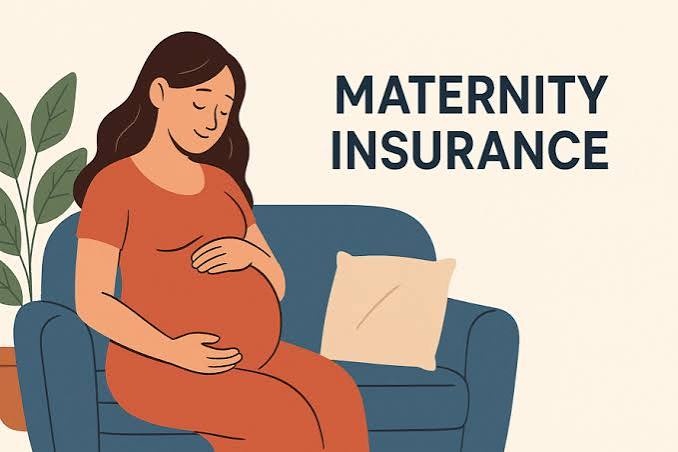
Choosing the right maternity care health insurance policy requires careful comparison. Since pregnancy-related medical expenses can be significant, selecting a plan that matches your healthcare needs and budget is essential.
Start by checking the waiting period. Most insurers have waiting periods ranging from several months to a few years. If you plan to have a baby in the future, buying coverage early helps ensure that your maternity benefits become active before pregnancy.
Next, review the coverage limit. Some policies offer a fixed maternity benefit, while others provide higher limits. Compare the expected costs of prenatal care, delivery, hospitalization, and newborn care with the policy's coverage amount.
Hospital network is another important factor. Plans with a large network of cashless hospitals make it easier to receive treatment without paying large amounts upfront. Confirm that your preferred hospital is included in the insurer's network.
Look for newborn coverage as well. A quality maternity care health insurance plan should cover the baby's medical expenses immediately after birth. Some insurers also provide vaccination benefits and protection against congenital conditions.
Check whether the policy includes pregnancy complications. Medical issues during pregnancy can lead to additional expenses, and comprehensive coverage offers greater financial protection.
Finally, compare premiums, exclusions, claim settlement records, and customer reviews before making your decision.
How to Apply for Maternity Care Health Insurance
Purchasing maternity care health insurance has become easier thanks to online insurance platforms. Most insurers allow customers to compare plans, calculate premiums, and complete the application process digitally.
The typical process includes:
Choose an insurance company offering maternity benefits.
Compare available plans and coverage options.
Fill out the application with accurate personal information.
Submit required identification and medical details.
Complete payment for the premium.
Receive your policy documents electronically.
Reading the policy wording carefully before purchase helps avoid surprises during future claims.
Documents Required for Claims
Claim requirements may vary by insurer, but common documents include:
Hospital admission records
Doctor's prescription
Medical reports
Discharge summary
Original hospital bills
Pharmacy receipts
Identity proof
Insurance policy details
Birth certificate of the newborn, if applicable
Keeping copies of every medical document makes the claim process smoother.
Cashless vs Reimbursement Claims
Many families prefer maternity care health insurance plans that support cashless hospitalization.
Under cashless claims, the insurance company settles eligible hospital expenses directly with the network hospital. The policyholder pays only non-covered expenses.
Reimbursement claims require the policyholder to pay hospital bills first and later submit documents to the insurer for reimbursement.
Cashless treatment usually reduces financial stress during childbirth.
Tips to Get Maximum Benefits
To receive the most value from your maternity care health insurance, consider these practical suggestions.
Buy your policy before planning pregnancy. Waiting until pregnancy begins may result in denied maternity benefits due to waiting period conditions.
Choose a higher maternity coverage limit if you expect treatment at private hospitals where delivery costs are generally higher.
Understand every inclusion and exclusion before purchasing the policy.
Use hospitals within the insurer's cashless network.
Attend regular prenatal checkups because early diagnosis can reduce complications.
Maintain copies of every medical bill and report.
Inform the insurer promptly about planned hospitalization.
Review your policy every year to ensure it continues meeting your family's healthcare needs.
Common Mistakes to Avoid
Many people make mistakes while purchasing maternity care health insurance that later create financial difficulties.
One common mistake is buying insurance after pregnancy has already started. Since many plans have waiting periods, benefits may not apply immediately.
Another mistake is selecting a plan based only on low premiums. A cheaper plan may provide limited maternity coverage, resulting in higher out-of-pocket expenses later.
Some buyers fail to read exclusions carefully. This can lead to disappointment when certain treatments or complications are not covered.
Ignoring newborn coverage is another common error. Babies often require immediate medical attention after birth, making newborn benefits valuable.
Choosing hospitals outside the insurer's network can also increase expenses if cashless treatment is unavailable.
Factors Affecting Premiums
Several factors influence the premium for maternity care health insurance.
Age is one of the biggest factors. Younger applicants often receive lower premium rates than older individuals.
Coverage amount also affects pricing. Policies with higher maternity limits generally cost more.
Waiting period length may influence premiums, with some plans offering lower costs in exchange for longer waiting periods.
Location matters because healthcare costs vary between cities and regions.
Additional benefits such as newborn care, vaccination coverage, fertility treatments, and pregnancy complication coverage can increase premiums.
The insurer's pricing structure and claim history also contribute to overall costs.
Why Early Planning Matters
Pregnancy is one of life's most important milestones, and financial preparation is equally important. Purchasing maternity care health insurance well before planning a family allows you to complete waiting periods and access full maternity benefits when needed.
Medical inflation continues to increase hospital costs each year. Delivery expenses, specialist consultations, medicines, diagnostic tests, and newborn care can become expensive without insurance.
Early planning also gives you time to compare policies, understand benefits, and select the most suitable coverage for your family.
Can Existing Health Insurance Cover Maternity?
Some comprehensive health insurance policies include maternity benefits automatically, while others offer them as optional add-ons.
If you already have health insurance, review your policy documents to determine whether maternity care health insurance benefits are included. If not, consider upgrading your coverage or purchasing a family health insurance plan that includes maternity protection.
Always verify waiting periods, coverage limits, and exclusions before relying on existing coverage.
Is Employer Health Insurance Enough?
Many employers provide group health insurance with maternity benefits. While this can be helpful, employer coverage alone may not always provide adequate protection.
Coverage limits may be relatively low.
Benefits usually end when employment changes.
Some employers exclude newborn care.
Private room eligibility may be restricted.
A personal maternity care health insurance policy offers additional security and remains active regardless of employment status.
Future Trends in Maternity Health Insurance
Insurance companies continue improving maternity coverage by introducing digital healthcare services and expanded benefits.
Modern policies increasingly include:
Online doctor consultations
Digital pregnancy monitoring
Wellness programs
Mental health support during pregnancy
Nutrition counseling
Telemedicine services
Preventive healthcare benefits
These innovations help improve maternal healthcare while making insurance more convenient for policyholders.
Conclusion
Choosing the right maternity care health insurance policy is an important financial decision for growing families. Pregnancy involves numerous medical expenses, from prenatal consultations and diagnostic tests to delivery and newborn care. Having appropriate insurance coverage reduces financial pressure and allows parents to focus on the health of both mother and baby.
Buying a policy early, comparing coverage options carefully, understanding waiting periods, and selecting adequate coverage limits can make a significant difference when the time comes to welcome a new family member. As healthcare costs continue to rise, maternity care health insurance remains one of the most valuable investments for anyone planning parenthood.
Frequently Asked Questions
What is maternity care health insurance?
Maternity care health insurance is health insurance that covers pregnancy-related medical expenses, including prenatal care, delivery, hospitalization, and certain newborn medical costs, depending on the policy.
Does maternity care health insurance cover normal and cesarean delivery?
Most comprehensive maternity plans cover both normal vaginal delivery and cesarean section, subject to policy terms and coverage limits.
Is there a waiting period for maternity care health insurance?
Yes. Most insurance companies apply a waiting period before maternity benefits become available. The duration varies by insurer.
Can I buy maternity care health insurance after becoming pregnant?
Many insurance providers do not offer immediate maternity benefits after pregnancy begins because waiting periods usually apply. Buying coverage before planning pregnancy is generally recommended.
Does maternity care health insurance cover newborn babies?
Many policies include newborn coverage for hospitalization and initial medical treatment. Some plans also provide vaccination and congenital illness benefits.
Are prenatal checkups covered?
Many maternity care health insurance policies include prenatal consultations, diagnostic tests, ultrasounds, and pregnancy monitoring, depending on the plan.
Is cashless hospitalization available?
Yes. If the hospital belongs to the insurer's network, eligible maternity expenses may be settled through cashless hospitalization.
How can I choose the best maternity care health insurance policy?
Compare waiting periods, maternity limits, hospital networks, newborn benefits, exclusions, premiums, and claim settlement records before selecting the most suitable policy.















Leave A Comment
0 Comment