

Protecting a home, business, vehicle, or other valuable property requires more than simply preparing for everyday expenses. Unexpected events such as storms, fires, theft, accidents, liability claims, and property damage can create significant financial pressure. This is where insurance can provide an important layer of financial protection.
People searching for property and casualty insurance Hartford are often looking for information about coverage options that can protect their property while also addressing liability risks. Property and casualty insurance is a broad category that includes many types of insurance designed to protect individuals and businesses against financial losses related to property damage, accidents, and legal liability.
Understanding how this type of insurance works can make it easier to identify the coverage that may be appropriate for your situation. Whether you own a home, rent an apartment, operate a business, or own vehicles and other valuable assets, learning the basics can help you make more informed insurance decisions.
What Is Property and Casualty Insurance?
Property and casualty insurance generally combines two major areas of protection: property coverage and casualty coverage.
Property insurance is designed to help protect physical assets from covered losses. Depending on the policy, this can include a home, building, personal belongings, business equipment, inventory, or other property.
Casualty insurance primarily deals with liability. If you are legally responsible for causing injury to another person or damaging someone else's property, liability coverage may help with eligible legal expenses, settlements, or other covered costs, depending on the terms and limits of the policy.
The exact protection available depends on the specific insurance policy. Policies can have exclusions, deductibles, coverage limits, conditions, and other requirements, so it is important to read the policy documents carefully.
For people researching property and casualty insurance Hartford, the first step is understanding what type of risk they want to protect against. Homeowners, renters, landlords, and business owners can have very different insurance requirements.
Property Insurance Coverage
Property insurance can help protect physical assets against certain unexpected events. The covered causes of loss depend on the policy.
For a homeowner, property coverage may potentially include protection for the structure of the home and certain personal belongings. Depending on the policy, covered events may include risks such as fire, theft, wind damage, or certain types of water-related damage.
Business property insurance can serve a similar purpose for commercial property. It may help protect buildings, furniture, machinery, computers, inventory, and other business property against covered losses.
However, not every type of damage is automatically covered. For example, certain natural disasters or specific types of water damage may require separate coverage or may be excluded altogether.
This is why reviewing the policy wording is important before purchasing coverage.
Casualty and Liability Insurance
Casualty insurance focuses largely on liability risks. Liability claims can arise in many different situations.
For example, a visitor could become injured on someone's property and claim that the property owner was responsible. A business customer could suffer an injury while visiting a commercial location. An employee could accidentally damage someone else's property while performing work.
Liability insurance may provide financial protection when a covered claim is made against the policyholder. Depending on the policy, coverage can include legal defense costs and amounts the insured is legally obligated to pay, subject to policy terms and limits.
Liability protection can be particularly important for businesses because a single lawsuit can create substantial expenses.
For this reason, anyone researching property and casualty insurance Hartford should consider both property-related risks and liability exposure rather than focusing only on the value of physical assets.
Property and Casualty Insurance for Homeowners
Homeowners face several different risks. A house can be damaged by severe weather, fire, theft, or other covered events. Personal belongings inside the property can also be damaged or stolen.
Homeowners insurance commonly includes several categories of protection. These can include coverage for the dwelling, other structures, personal property, additional living expenses in certain situations, and personal liability.
The exact combination depends on the policy.
For example, if a covered event makes a home temporarily uninhabitable, a policy may provide coverage for certain additional living expenses, subject to its terms. Personal liability coverage may also help if the homeowner is legally responsible for certain injuries or property damage involving another person.
Homeowners should also review their coverage limits periodically. The cost of rebuilding a property can change over time, and the value of personal belongings may also increase.
Property and Casualty Insurance for Renters
Renters may not own the building they live in, but they still have financial risks.
A landlord's insurance generally covers the building itself, not the renter's personal belongings. Renters insurance can provide coverage for personal property against covered losses and may also include liability protection.
For example, furniture, electronics, clothing, and other possessions could be damaged or stolen in a covered event.
Renters should create an inventory of valuable possessions and estimate their replacement costs. Keeping receipts, photographs, or other documentation can make it easier to demonstrate ownership and value if a covered claim occurs.
When comparing property and casualty insurance Hartford options, renters should pay attention to personal property limits, liability limits, deductibles, exclusions, and whether coverage is based on actual cash value or replacement cost.
Property and Casualty Insurance for Businesses
Businesses can face a wider range of risks than individual consumers. A company may own or lease a building, use expensive equipment, maintain inventory, employ workers, and interact with customers every day.
Commercial property insurance may help protect physical business assets from covered losses. Commercial liability insurance can provide protection against certain claims involving bodily injury, property damage, or other covered liabilities.
Some businesses may also require specialized insurance depending on their operations.
For example, a contractor may face risks that differ from those of a restaurant. A technology company may have different insurance needs from a retail store. Professional services businesses may require additional forms of liability protection.
Business owners should therefore avoid choosing insurance solely based on price. The policy should be evaluated in relation to the company's specific operations and potential risks.
Factors That Can Affect Insurance Costs
The price of property and casualty insurance is not the same for everyone. Insurance companies consider various factors when determining premiums.
For property insurance, factors can include the property's location, construction characteristics, age, replacement cost, claims history, security features, deductible, and selected coverage limits.
For liability insurance, factors can include the type of business or activity, revenue, number of employees, claims history, coverage limits, and level of risk associated with the operation.
A higher deductible may reduce the premium in some situations, but it also means the policyholder may have to pay more out of pocket before insurance responds to a covered claim.
People comparing property and casualty insurance Hartford should therefore compare policies based on both price and coverage. A lower premium does not necessarily mean the policy provides the same level of protection as another option.
Understanding Deductibles
A deductible is the amount the policyholder is generally responsible for paying toward a covered loss before the insurer pays the remaining eligible amount, subject to the policy.
For example, suppose a covered property loss results in $10,000 of eligible damage and the applicable deductible is $1,000. If the loss is fully covered under the policy, the policyholder could generally be responsible for the first $1,000, while the insurer would consider the remaining eligible amount subject to the policy terms.
Deductibles can vary by policy and sometimes by type of loss.
Before purchasing coverage, consumers should make sure they understand the deductible and determine whether they could comfortably pay it if a significant claim occurred.
Coverage Limits Matter
Insurance policies also have coverage limits. A coverage limit is the maximum amount an insurer may pay for a particular type of covered loss or category of coverage, subject to policy terms.
Choosing limits that are too low can create a financial gap.
For example, if rebuilding a property would cost substantially more than the dwelling coverage limit, the policyholder could potentially face significant out-of-pocket expenses after a major covered loss.
Businesses should similarly evaluate whether their property and liability limits are appropriate for the size and nature of their operations.
Reviewing coverage limits periodically is useful because property values, construction costs, business assets, and liability exposures can change.
Common Exclusions to Consider
One of the most important parts of any insurance policy is understanding what it does not cover.
Insurance policies contain exclusions that identify situations, events, property, or losses that are not covered or that have special conditions.
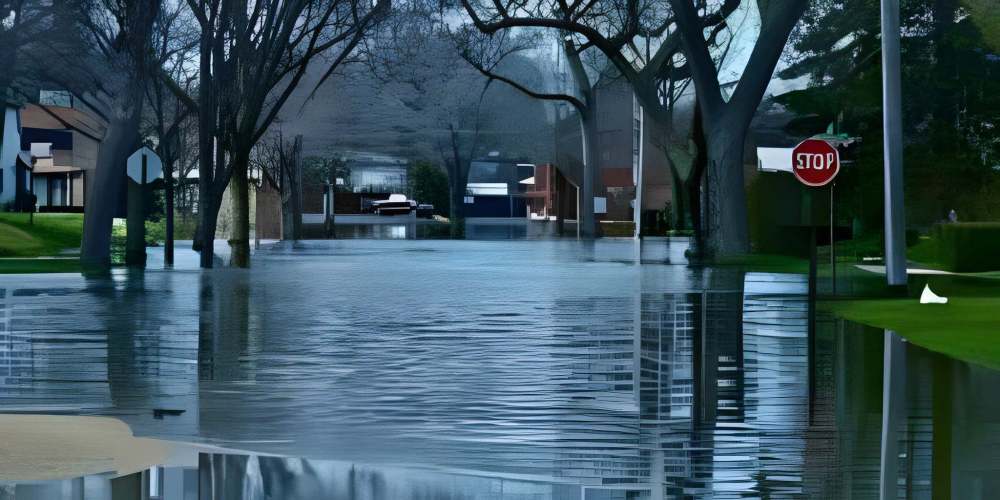
Certain types of flooding, earthquakes, intentional damage, normal wear and tear, and maintenance-related problems may not be covered under a standard policy, although the exact exclusions vary.
Some risks may require separate insurance or endorsements.
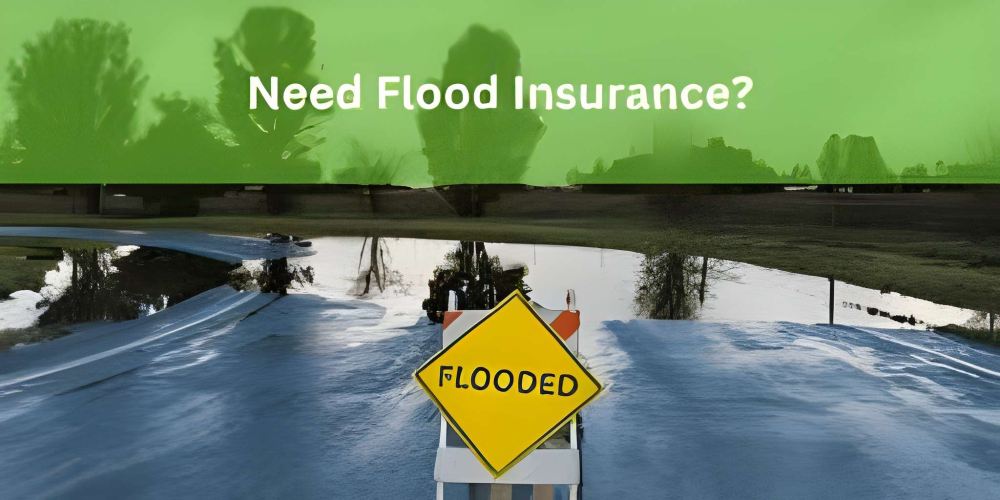
For example, someone living in an area with a significant flood risk may need to consider dedicated flood insurance rather than assuming a standard homeowners policy covers every type of water-related loss.
When evaluating property and casualty insurance Hartford, reading exclusions can be just as important as reading the list of covered risks.
How to Compare Insurance Options
Comparing insurance policies involves more than looking at the monthly or annual premium.
Start by identifying the assets and risks that need protection. Homeowners should consider the structure of the property, personal possessions, liability exposure, and possible additional living expenses. Business owners should consider buildings, equipment, inventory, employees, customers, operations, and legal liability.
Next, compare coverage limits and deductibles.
After that, review exclusions and policy conditions. Two policies may appear similar but provide different levels of protection because of differences in exclusions, limits, endorsements, and deductibles.
It can also be useful to ask an insurance professional questions about situations that are particularly relevant to your property or business.
Why Location Matters in Insurance
Location can influence insurance costs and coverage considerations.
Properties in areas exposed to severe storms, flooding, wildfires, theft, or other risks may have different insurance requirements and pricing compared with properties in lower-risk locations.
For businesses, the location of the operation can also affect exposure to certain property and liability risks.
This is one reason people searching for property and casualty insurance Hartford should provide accurate property and business information when requesting a quote. Incorrect or incomplete information can affect the suitability and pricing of coverage.
Reviewing Your Policy Regularly
Buying an insurance policy is not necessarily a one-time decision. Your circumstances can change.
Home improvements, renovations, new purchases, business expansion, additional employees, new equipment, or changes in operations can affect the amount of insurance you need.
For example, if a homeowner completes a major renovation or purchases expensive electronics, the existing coverage may need to be reviewed.
A business that adds new equipment or opens another location may also need to update its insurance arrangements.
An annual policy review can help identify potential gaps before an unexpected event occurs.
Filing an Insurance Claim
When a covered loss happens, policyholders should generally notify their insurer as soon as reasonably possible and follow the claim instructions provided by the insurance company.
Depending on the circumstances, documentation may include photographs, receipts, repair estimates, inventory records, police reports, or other relevant information.
Policyholders should also take reasonable steps to prevent further damage when it is safe to do so. However, they should avoid making major permanent repairs before the insurer has had an opportunity to inspect the damage when an inspection may be required.
The claim process can differ depending on the type and severity of the loss.
Choosing the Right Level of Protection
There is no single insurance policy that is appropriate for every individual or business.
A homeowner, renter, landlord, contractor, retailer, and technology company can all have very different exposures.
The right approach is to identify potential financial risks and then determine which insurance products and coverage limits address those risks.
When researching property and casualty insurance Hartford, consumers should consider the insurer, policy coverage, exclusions, deductibles, limits, customer service, and overall cost.
It is also important to remember that insurance is designed to address covered risks rather than every possible financial loss.
Final Thoughts
Property and casualty insurance can play an important role in protecting people and businesses from unexpected financial losses. Property coverage can help protect physical assets from covered events, while casualty and liability coverage can address certain legal and financial responsibilities resulting from covered incidents.
Anyone considering property and casualty insurance Hartford should take time to understand the policy before purchasing it. Pay close attention to coverage limits, deductibles, exclusions, liability protection, and any additional coverage that may be appropriate for specific risks.
Insurance needs can change over time, so reviewing coverage regularly is also important. A policy that was suitable several years ago may not provide the same level of protection after a major change in property, finances, business operations, or personal circumstances.
Ultimately, the goal is to understand the risks you face and choose coverage that aligns with those risks and your financial situation. Reading the policy carefully and discussing questions with a qualified insurance professional can help you understand what protection is actually available when you need it.
FAQs About Property and Casualty Insurance Hartford
1. What does property and casualty insurance cover?
Property and casualty insurance can provide protection for covered property losses and liability risks. Property coverage may protect physical assets, while casualty coverage commonly focuses on liability arising from covered incidents. Coverage varies by policy.
2. Is homeowners insurance considered property and casualty insurance?
Yes. Homeowners insurance generally falls within the property and casualty insurance category because it can provide protection for property as well as liability coverage. The exact protections depend on the policy.
3. How much does property and casualty insurance cost in Hartford?
There is no single price that applies to everyone. Premiums can depend on factors such as property characteristics, location, coverage limits, deductibles, claims history, business operations, and selected insurance products.
4. What should I check before buying an insurance policy?
Review the coverage limits, deductible, exclusions, covered risks, liability protection, policy conditions, and premium. You should also check whether the coverage is appropriate for the value of your property and the risks you face.
5. Can property and casualty insurance protect a business?
Yes. Commercial property and liability insurance can provide protection for eligible business property and certain liability risks. The appropriate coverage depends on the business's industry, operations, assets, employees, customers, and other exposures.















Leave A Comment
0 Comment