
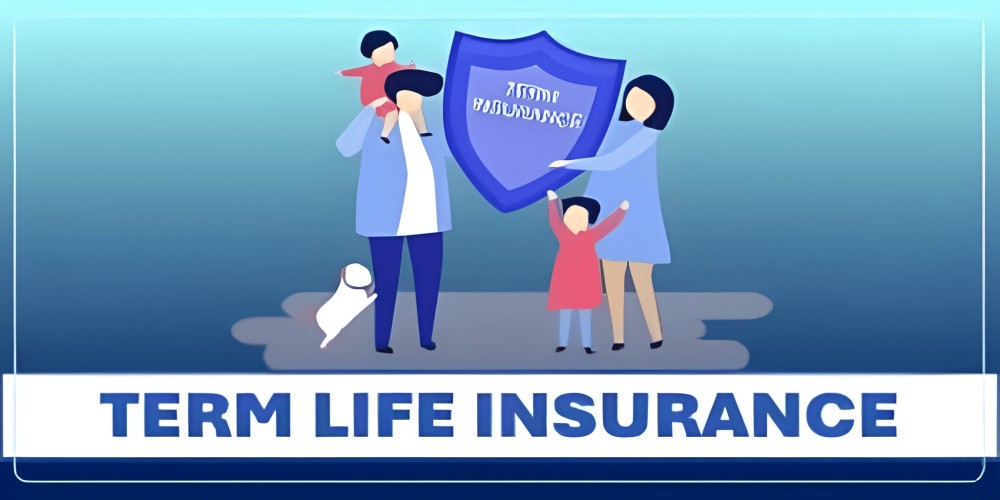
When it comes to securing your family’s financial future, term life insurance stands out as one of the most effective and affordable options. This guide covers everything you need to know about term life insurance—what it is, how it works, its benefits, who should buy it, how to choose the right policy, and more.
What is Term Life Insurance?
Term life insurance is a type of life insurance policy that offers coverage for a specific period or "term" (typically 10, 20, or 30 years). If the policyholder dies during the term, the beneficiaries receive a death benefit. If the policyholder survives the term, there’s no payout.
Unlike whole life or endowment policies, term life insurance is purely protection-oriented. It doesn't build cash value, making it a more budget-friendly way to secure high coverage amounts.
Why Choose Term Life Insurance?
The primary goal of term life insurance is to offer financial protection to your dependents in case of your untimely demise. It helps cover:
- Day-to-day living expenses
- Children’s education costs
- Home loan or personal debts
- Medical bills
- Retirement or emergency funds for the spouse
Key Features of Term Life Insurance
- Affordable Premiums: You get a large sum assured for a relatively low premium.
- High Coverage: Term plans allow you to opt for a high life cover that may not be feasible with other life insurance options.
- Flexible Tenure: You can choose the term of the policy based on your age and financial responsibilities.
- Riders Available: Additional benefits like critical illness, accidental death, or disability riders can be added.
- Simple Structure: Easy to understand with no investment component.
How Does Term Life Insurance Work?
Here’s a step-by-step breakdown:
- You choose a coverage amount (sum assured) and a term (policy period).
- Based on your age, health, and lifestyle, the insurer determines your premium.
- You pay the premiums monthly, quarterly, or annually.
- If you pass away during the policy term, your nominee receives the sum assured.
- If you survive the term, the policy ends with no benefit (unless you opted for Return of Premium plans).
Types of Term Life Insurance
There are several variations of term insurance policies to suit different needs:
1. Level Term Plan
The sum assured remains the same throughout the policy term. It's the most basic and popular form.
2. Increasing Term Plan
The coverage amount increases annually to combat inflation, while premiums may remain constant or increase slightly.
3. Decreasing Term Plan
Often used to cover loans or liabilities, the sum assured decreases over time in line with the loan balance.
4. Return of Premium Term Plan
Refunds all premiums paid if you survive the policy term. Though more expensive, it appeals to those wanting some return.
5. Convertible Term Plan
This plan gives you the flexibility to convert your term plan into another type of insurance (like whole life) without a medical exam.
6. Group Term Life Insurance
Offered by employers or organizations, these provide coverage to a group under a single contract.
Who Should Buy Term Life Insurance?
Anyone with dependents or financial responsibilities should consider term life insurance. This includes:
- Young professionals with aging parents
- Married individuals with children
- Homeowners with mortgages
- Business owners with liabilities
- Single parents
- Individuals with long-term loans
How to Choose the Best Term Life Insurance?
Here are key factors to keep in mind:
1. Assess Coverage Needs
Calculate how much coverage you need by evaluating your income, liabilities, and dependents' future expenses.
2. Choose the Right Term
Ensure the policy term covers your major responsibilities—till your children are independent or loans are repaid.
3. Compare Premiums
Use online calculators to compare premiums from various insurers and choose one that offers good coverage at reasonable rates.
4. Check Claim Settlement Ratio
A high claim settlement ratio indicates reliability. Choose insurers with ratios above 95%.
5. Look for Riders
Add riders like critical illness or accidental death if relevant to your health and lifestyle.
6. Read the Fine Print
Understand the exclusions, claim process, waiting periods, and premium payment terms before purchasing.
Common Riders in Term Insurance
Riders enhance your term plan’s coverage. Popular options include:
- Accidental Death Benefit: Extra payout if death occurs due to an accident.
- Critical Illness Cover: Lump-sum payout upon diagnosis of specified illnesses.
- Permanent Disability Rider: Waives future premiums and/or provides financial support.
- Waiver of Premium: Premiums are waived in case of permanent disability or critical illness.
Benefits of Term Life Insurance
- Peace of Mind: Knowing your loved ones are financially secure.
- Tax Benefits: Premiums qualify for deduction under Section 80C. Death benefits are tax-free under Section 10(10D).
- Customizable: Riders and flexible options allow you to tailor the plan to your needs.
- Online Purchase: Easy to buy, manage, and renew through online portals.
When is the Best Time to Buy?
The earlier you buy, the lower your premium. Ideally, purchase term insurance:
- In your 20s or early 30s
- After getting married
- After having children
- When taking large loans like home or education loans
What Happens If You Stop Paying Premiums?
If you stop paying premiums:
- The policy lapses after a grace period (usually 15–30 days).
- No death benefit is paid if you pass away after lapse.
- Some plans may allow revival within 2–5 years with penalties.
Conclusion
Term life insurance is an essential financial tool for anyone with dependents or liabilities. It provides a safety net, ensuring your family won’t struggle financially if something happens to you. Affordable, straightforward, and customizable—term insurance is a must-have in your financial plan.
Don’t wait. The earlier you invest in a term plan, the more affordable and effective it becomes. Make the right choice today to secure your tomorrow.
FAQs
Q1. Is term life insurance worth it?
Yes, it's one of the most affordable ways to provide financial security for your family in your absence.
Q2. Can I buy term insurance online?
Absolutely. Most insurers offer online term plans that are cheaper and easier to purchase.
Q3. What happens if I survive the policy term?
You don’t get any payout unless you’ve opted for a Return of Premium (ROP) plan.
Q4. What is the minimum age to buy term insurance?
Usually, 18 years. The upper age limit varies between 60 to 65 years depending on the insurer.
Q5. Are term insurance premiums tax-deductible?
Yes, premiums are eligible for deduction under Section 80C of the Income Tax Act.
Q6. Can NRIs buy term insurance in India?
Yes, Non-Resident Indians can purchase term insurance from Indian insurers, though some conditions apply.
Q7. How much sum assured should I opt for?
A general rule is 10–15 times your annual income plus any outstanding liabilities.
Q8. Is a medical test mandatory?
For high coverage or older applicants, a medical test may be required. However, many online plans offer no-test options for younger people with smaller sums.



















Leave A Comment
0 Comment