
In a world where uncertainty has become the norm, the quest for a secure life is more relevant than ever. Whether it's financial security, emotional wellbeing, physical safety, or spiritual balance, the idea of "security" encompasses a range of elements that collectively define a stable and fulfilling life. People from all walks of life aspire to lead a secure life, and the methods to achieve it are as diverse as humanity itself.
This blog aims to serve as a 3000-word gluster covering various dimensions of a secure life. We’ll explore what a secure life truly means, why it's essential, and how to achieve it through practical steps. We’ll also dive into financial planning, health and wellness, relationships, career stability, and mental resilience.
What Is a Secure Life?
A secure life refers to a state of existence where an individual feels safe, stable, and confident in managing the present and planning for the future. It is not solely about having money in the bank; it is about peace of mind, sustainable well-being, and protection against potential threats—be it financial crisis, emotional turmoil, or physical danger.
The core pillars of a secure life are:
- Financial Security
- Physical Health
- Emotional and Mental Stability
- Healthy Relationships
- Professional Stability
- Spiritual Peace
Each of these components interacts with the others to create a balanced and secure lifestyle.
Financial Security: The Foundation of Stability
Why It Matters
Financial security is often seen as the bedrock of a secure life. Without it, even basic needs such as food, shelter, and healthcare become uncertain. Financial stability provides the resources to handle emergencies, pursue dreams, and enjoy life without the constant fear of running out of money.
How to Achieve Financial Security
- Budget Wisely: Track your income and expenses to make sure you're not overspending.
- Build an Emergency Fund: A savings cushion that covers 3 to 6 months of living expenses can prevent a financial crisis.
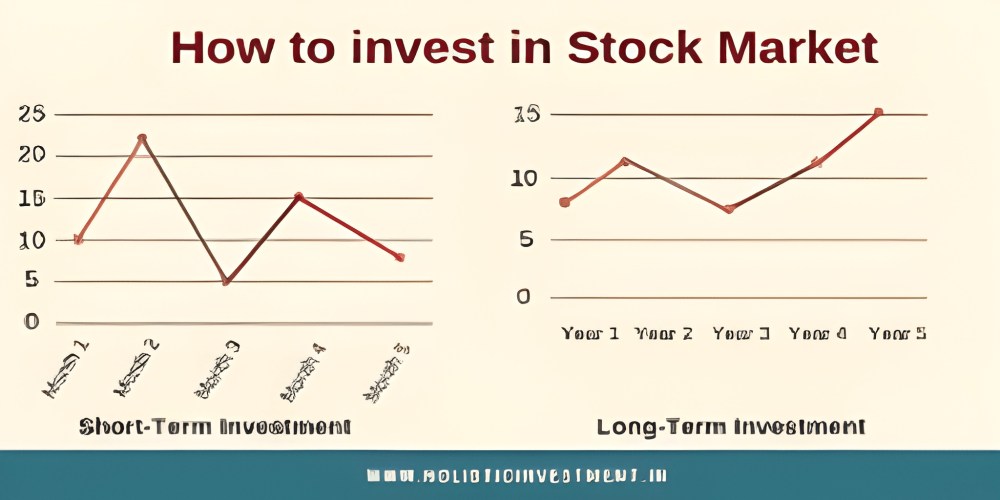
- Invest Smartly: Diversify your investments across mutual funds, fixed deposits, retirement plans, and real estate.
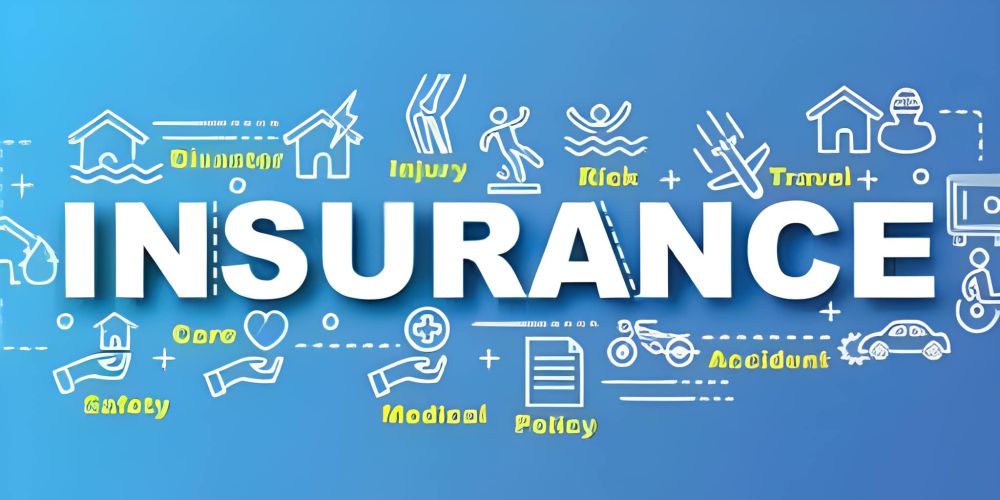
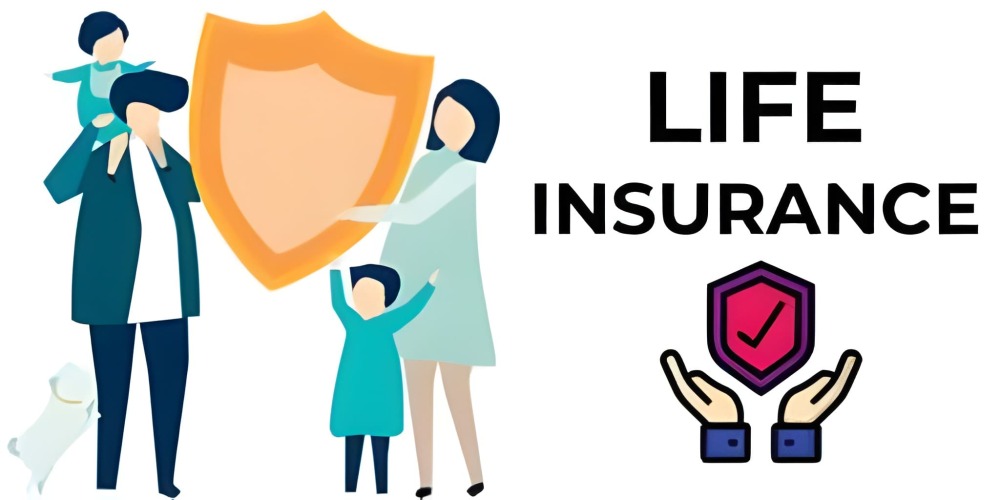
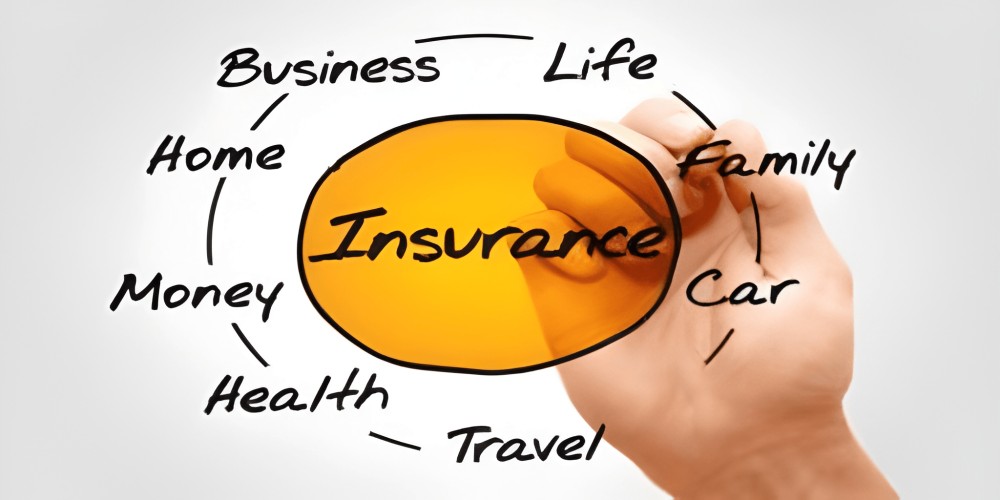
- Get Insured: Health insurance, life insurance, and asset insurance are critical to managing risks.
- Plan for Retirement: Start saving early to build a solid retirement fund.
Physical Health: The Bedrock of Daily Living
A secure life is incomplete without good physical health. It allows you to perform daily activities, work efficiently, and enjoy leisure time. Poor health can drain both your finances and mental peace.
Steps to Secure Your Health
- Eat Balanced Meals: Nutrition plays a pivotal role in immunity and energy levels.
- Exercise Regularly: Physical activity reduces the risk of chronic diseases and improves mood.
- Get Regular Checkups: Preventive healthcare helps detect issues early.
- Avoid Harmful Habits: Say no to smoking, excessive drinking, and junk food.
- Sleep Well: Adequate rest improves physical and cognitive function.
Emotional and Mental Stability: Inner Peace Matters
Mental and emotional security is just as crucial as physical or financial stability. Emotional intelligence, resilience, and mindfulness contribute significantly to a secure life.
Tips for Emotional and Mental Security
- Practice Mindfulness: Meditation and breathing exercises help manage stress.
- Build a Support System: Surround yourself with people who uplift you.
- Seek Professional Help: Therapy or counseling can be life-changing.
- Engage in Hobbies: Creative outlets reduce stress and improve happiness.
- Limit Social Media: Excessive screen time can lead to anxiety and self-comparison.
Healthy Relationships: A Network of Security
No one can thrive in isolation. Healthy relationships—whether with family, friends, or partners—offer emotional backing, practical help, and shared happiness.
Building Strong Relationships
- Communicate Honestly: Openness fosters trust.
- Respect Boundaries: Give space and accept differences.
- Be There in Tough Times: Support strengthens bonds.
- Resolve Conflicts Maturely: Learn to agree to disagree.
- Celebrate Together: Shared joy builds lasting memories.
Professional Stability: Career Security Equals Peace of Mind
Your job or business is a major source of your income and self-worth. A secure life demands that your career is stable, satisfying, and future-proof.
Ensuring Career Stability
- Stay Updated: Learn new skills and technologies.
- Network Smartly: Connections can lead to better opportunities.
- Perform with Integrity: Reliability earns trust and promotions.
- Have a Backup Plan: A side hustle or alternate skill can save you in downturns.
- Work-Life Balance: Don’t burn out in the name of productivity.
Spiritual Peace: The Often Ignored Dimension
A sense of purpose, alignment with values, and inner calm is vital for a secure life. This doesn't necessarily mean religious belief—it could be a connection with nature, community service, or meditation.
Achieving Spiritual Security
- Define Your Values: What truly matters to you?
- Practice Gratitude: Focus on what you have.
- Volunteer: Helping others brings contentment.
- Spend Time Alone: Reflect and recharge.
- Live Authentically: Be true to yourself, even when it's hard.
Modern Threats to a Secure Life
Despite planning and preparation, modern life presents unique threats to our sense of security. Understanding them is the first step to managing or mitigating their impact.
Common Challenges
- Job Insecurity: Economic changes can lead to layoffs or reduced pay.
- Data Breaches: Your personal information can be stolen.
- Pandemics: Health crises like COVID-19 disrupt every part of life.
- Climate Change: Natural disasters can threaten safety and livelihood.
- Social Isolation: Technology sometimes reduces real human interaction.
Each of these threats requires proactive strategies like digital safety measures, health precautions, and community building.
Creating a Secure Life Plan
Living a secure life doesn't happen by accident. It requires intentional planning, commitment, and flexibility to adapt. Here is a structured approach:
- Assessment: Evaluate where you currently stand in all the key life areas.
- Goal Setting: Define what a secure life looks like for you.
- Action Plan: Break down your goals into small, doable tasks.
- Implementation: Act consistently on your plan.
- Monitoring: Review your progress quarterly or annually.
- Adjusting: Be ready to modify your plans based on life changes.
Importance of Education in a Secure Life
Education empowers individuals to make informed decisions, seek better employment, and handle responsibilities. It plays a key role in financial, emotional, and career security.
How Education Contributes
- Improved Job Prospects: Better qualifications increase job options.
- Critical Thinking: Helps navigate complex situations.
- Health Awareness: Educated individuals often make healthier choices.
- Financial Literacy: Understanding how money works is vital.
Investing in education is one of the best long-term strategies for ensuring a secure life.
The Role of Technology in Life Security
Technology has the potential to both enhance and threaten your security. When used wisely, it can simplify tasks, keep you informed, and connect you to vital resources.
Tech Tools That Help
- Budgeting Apps: Manage money efficiently.
- Fitness Trackers: Monitor health metrics.
- Security Cameras: Enhance physical safety.
- Online Courses: Upskill without leaving your home.
- Telehealth Services: Access to doctors from your device.
Use tech responsibly to support your journey toward a secure life.
Resilience: The Key to a Secure Life
Life is unpredictable. Resilience is what helps you bounce back from setbacks and continue striving for a secure and meaningful existence.
Building Resilience
- Stay Positive: Focus on possibilities, not limitations.
- Be Flexible: Accept change as a part of life.
- Keep Learning: Growth mindset strengthens resilience.
- Don’t Fear Failure: Treat mistakes as lessons.
- Maintain Health: Physical strength boosts mental toughness.
A resilient mindset is essential for navigating the ups and downs on the road to security.
Final Thoughts
A secure life is not an endpoint but a journey—a continuous effort to balance finances, health, emotions, relationships, and purpose. While the ideal secure life may differ from one person to another, the fundamentals remain similar. With planning, mindfulness, and resilience, anyone can build a life that feels not only safe and stable but also joyful and meaningful.
Security is not the absence of challenges, but the presence of strategies and support systems to overcome them.
FAQs on Secure Life
Q1. What is the first step to living a secure life?
The first step is assessing your current situation—financially, emotionally, and physically. Once you understand where you stand, you can set realistic goals and make a plan.
Q2. Can money alone guarantee a secure life?
No, while money provides options and stability, a secure life also requires emotional well-being, good health, meaningful relationships, and a sense of purpose.
Q3. How can I ensure emotional security?
Build emotional resilience through mindfulness, therapy, supportive relationships, and personal growth. Learn to process emotions in a healthy way.
Q4. Is career success essential for a secure life?
Yes, a stable and fulfilling career contributes significantly to financial and emotional well-being, but it's only one part of the bigger picture.
Q5. How do I handle uncertainty while trying to live a secure life?
Embrace uncertainty as a part of life. Build resilience, have contingency plans, and focus on what you can control.












Leave A Comment
0 Comment