

Private medical insurance has become an important part of modern healthcare planning. With rising medical costs, long waiting times in public healthcare systems, and the need for faster access to quality treatment, many individuals and families are turning toward private medical insurance for peace of mind. This guide explains everything you need to know about private medical insurance, how it works, who should buy it, and how to choose the right plan.
What Is Private Medical Insurance?
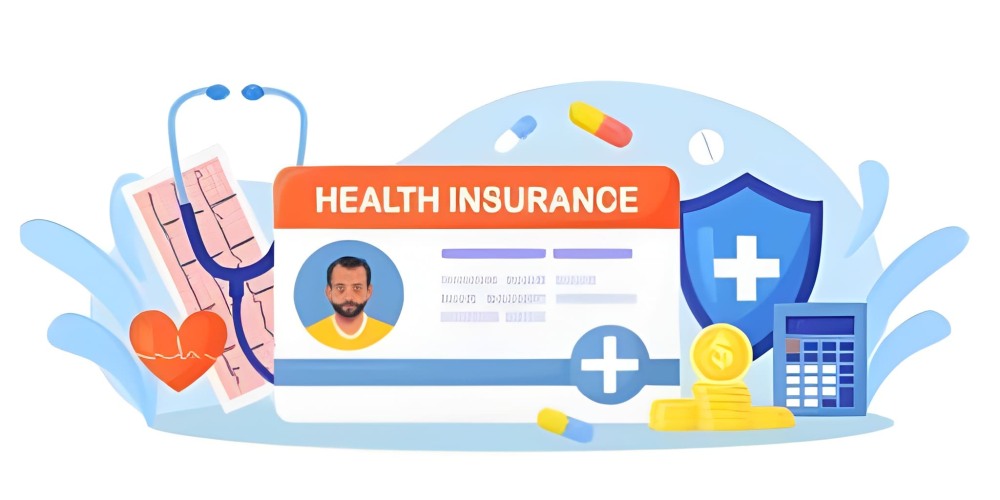
Private medical insurance is a health insurance policy purchased by individuals, families, or employers to cover medical expenses in private hospitals or private healthcare facilities. Unlike public healthcare systems that are funded by the government, private medical insurance is paid for through monthly or annual premiums.
This type of insurance allows policyholders to access medical treatment faster, choose their preferred doctors or hospitals, and receive higher levels of comfort and personalized care. Private medical insurance often covers services that may not be fully covered or may have long waiting periods in public healthcare systems.
How Private Medical Insurance Works
When you buy private medical insurance, you pay a fixed premium to the insurance provider. In return, the insurer agrees to cover eligible medical expenses according to the terms of the policy. These expenses may include hospital stays, surgeries, diagnostic tests, specialist consultations, and sometimes outpatient care.
If you need treatment, you can visit a network hospital or approved healthcare provider. The insurer either settles the bill directly with the hospital or reimburses you later, depending on the policy structure. The coverage depends on factors such as your age, health condition, policy type, and selected benefits.
Types of Private Medical Insurance Plans
Private medical insurance is not a one-size-fits-all product. There are several types of plans designed to meet different healthcare needs.
Individual Private Medical Insurance
This plan is designed for a single person. It covers only the policyholder and is ideal for self-employed individuals, freelancers, or anyone who does not receive health benefits from an employer.
Family Private Medical Insurance
Family plans cover multiple members under one policy, such as a spouse, children, and sometimes dependent parents. Family private medical insurance is usually more cost-effective than buying separate policies for each member.
Group Private Medical Insurance
Many companies offer private medical insurance to their employees as part of a benefits package. Group plans are often cheaper because the risk is spread across many individuals.
International Private Medical Insurance
This type of private medical insurance is suitable for expatriates, frequent travelers, or people living abroad. It provides coverage across multiple countries and often includes emergency evacuation and global hospital access.
Key Benefits of Private Medical Insurance
Private medical insurance offers several advantages that make it attractive to many people.
Faster Access to Treatment
One of the biggest benefits of private medical insurance is reduced waiting times. In public healthcare systems, patients may wait weeks or months for non-emergency procedures. Private medical insurance allows quicker access to specialists and treatments.
Choice of Doctors and Hospitals
With private medical insurance, you often have the freedom to choose your preferred doctor, specialist, or hospital. This flexibility is especially valuable for complex or long-term treatments.
Better Hospital Facilities
Private hospitals usually provide better facilities, such as private rooms, shorter queues, and personalized care. Private medical insurance ensures you can access these comforts during treatment.
Comprehensive Coverage Options
Many private medical insurance plans offer customizable coverage. You can add benefits such as maternity care, mental health support, dental treatment, or vision care depending on your needs.
Financial Protection
Medical emergencies can be expensive. Private medical insurance protects your savings by covering high medical bills and reducing out-of-pocket expenses.
What Does Private Medical Insurance Cover?
Coverage varies by insurer and plan, but most private medical insurance policies include the following.
Hospitalization costs, including room charges, surgery fees, and nursing care
Doctor and specialist consultation fees
Diagnostic tests such as X-rays, MRIs, and blood tests
Pre- and post-hospitalization expenses
Day-care procedures that do not require overnight stays
Some comprehensive private medical insurance plans may also include outpatient care, mental health treatment, physiotherapy, and alternative therapies.
What Is Not Covered by Private Medical Insurance?
It is important to understand exclusions before purchasing private medical insurance.
Pre-existing conditions may not be covered immediately and often have a waiting period
Cosmetic or elective procedures are usually excluded
Self-inflicted injuries or treatments related to substance abuse
Experimental or unproven treatments
Routine health checkups unless specifically included
Reading the policy document carefully helps avoid surprises at the time of claim.
Private Medical Insurance vs Public Healthcare
Public healthcare systems aim to provide medical services to all citizens, often at low or no direct cost. However, they may face challenges such as overcrowding, limited resources, and long waiting times.
Private medical insurance complements public healthcare by offering faster services, more choices, and higher comfort levels. Many people choose private medical insurance as a backup or supplement rather than a replacement for public healthcare.
Who Should Buy Private Medical Insurance?
Private medical insurance is suitable for a wide range of people.
Individuals who want faster medical treatment
Families looking for comprehensive healthcare coverage
Self-employed professionals without employer benefits
People with higher healthcare expectations
Expats or frequent international travelers
Even young and healthy individuals can benefit, as buying private medical insurance early often results in lower premiums.
Cost of Private Medical Insurance
The cost of private medical insurance depends on several factors.
Age of the policyholder
Medical history and lifestyle habits
Type of coverage and benefits selected
Geographical location
Policy duration and deductible amount
Younger individuals generally pay lower premiums. Choosing a higher deductible can also reduce premium costs, but it means paying more out of pocket during claims.
How to Choose the Right Private Medical Insurance Plan
Choosing the right private medical insurance requires careful evaluation.
Assess Your Healthcare Needs
Consider how often you visit doctors, whether you have ongoing medical conditions, and the type of healthcare facilities you prefer.
Compare Coverage Options
Look beyond the premium amount. Compare coverage limits, exclusions, waiting periods, and additional benefits.
Check Hospital Network
Ensure the insurer has a strong network of private hospitals and specialists near your location.
Understand Waiting Periods
Many private medical insurance policies have waiting periods for certain treatments. Choose a plan with reasonable waiting times.
Read Reviews and Claim Settlement Records
A good private medical insurance provider should have a high claim settlement ratio and positive customer feedback.
Private Medical Insurance for Families
Family private medical insurance provides coverage for multiple members under one policy. It simplifies policy management and often reduces costs. Some plans also offer maternity benefits, pediatric care, and vaccination coverage.
When selecting family private medical insurance, check age limits for children, coverage for newborns, and options to add parents.
Private Medical Insurance for Senior Citizens
Private medical insurance for older adults can be more expensive due to higher health risks. However, many insurers offer specialized plans for seniors with benefits such as regular health checkups and chronic disease management.
It is advisable to buy private medical insurance before reaching retirement age to avoid high premiums and long waiting periods.
Tax Benefits of Private Medical Insurance
In many countries, premiums paid for private medical insurance are eligible for tax deductions. These tax benefits reduce the overall cost of insurance and encourage individuals to invest in healthcare coverage.
Tax rules vary by region, so it is best to consult a tax advisor or check local regulations.
Common Myths About Private Medical Insurance
Many people avoid private medical insurance due to misconceptions.
Some believe it is only for wealthy individuals, but affordable plans are available
Others think young people do not need insurance, but early coverage saves money long term
Many assume all treatments are covered, ignoring exclusions and waiting periods
Understanding the reality helps make informed decisions.
Importance of Reading the Policy Document
The policy document explains coverage details, exclusions, claim procedures, and renewal terms. Reading it carefully ensures you know what your private medical insurance covers and how to use it effectively.
Renewing Your Private Medical Insurance
Timely renewal is crucial to maintain continuous coverage. Missing renewal deadlines can result in loss of benefits, including accumulated waiting periods. Many insurers offer lifelong renewal options for private medical insurance.
Private Medical Insurance and Mental Health
Modern private medical insurance plans increasingly include mental health coverage. This may include therapy sessions, counseling, and psychiatric consultations. Mental health support is an essential part of overall well-being.
How Claims Work in Private Medical Insurance
Claims can be cashless or reimbursement-based.
In cashless claims, the insurer settles bills directly with the hospital
In reimbursement claims, you pay first and claim later
Understanding the claim process helps avoid delays during medical emergencies.
Future of Private Medical Insurance
The demand for private medical insurance is expected to grow as healthcare costs rise and people seek better quality treatment. Digital health services, telemedicine, and personalized plans are shaping the future of private medical insurance.
Frequently Asked Questions (FAQs)
What is private medical insurance in simple terms?
Private medical insurance is a health insurance policy that allows you to receive medical treatment in private hospitals by paying a premium to an insurance company.
Is private medical insurance worth it?
Yes, private medical insurance is worth it for those who want faster treatment, better facilities, and financial protection against high medical costs.
Can I have both public healthcare and private medical insurance?
Yes, many people use private medical insurance alongside public healthcare for added benefits and faster access to treatment.
Does private medical insurance cover pre-existing conditions?
Most private medical insurance plans cover pre-existing conditions after a waiting period. Coverage rules vary by insurer.
How much does private medical insurance cost?
The cost depends on age, health condition, coverage type, and location. Premiums are generally lower for younger and healthier individuals.
Is private medical insurance refundable?
Premiums are usually non-refundable once the policy starts, except under specific cancellation rules defined by the insurer.
Can I customize my private medical insurance?
Yes, many insurers allow you to customize private medical insurance by adding or removing benefits based on your needs.
Does private medical insurance cover outpatient treatment?
Some plans include outpatient care, while others focus mainly on hospitalization. Always check the policy details.
What happens if I miss my premium payment?
Missing payments can lead to policy lapse and loss of benefits. Some insurers offer a grace period.
How long does private medical insurance last?
Most policies are annual and renewable. Many insurers offer lifelong renewability if renewed on time.
Conclusion
Private medical insurance is a valuable investment in your health and financial security. It offers faster access to quality healthcare, greater choice, and peace of mind during medical emergencies. By understanding how private medical insurance works, comparing plans carefully, and choosing coverage that fits your needs, you can ensure better healthcare outcomes for yourself and your family.



















Leave A Comment
0 Comment