

In today’s fast-paced world, good health and financial security are two of the most critical aspects of a fulfilling life. While you may focus on eating right and staying active, one aspect that often gets overlooked is having the right health and insurance coverage. These two concepts go hand in hand—ensuring not just access to healthcare but also protection from the financial burden that comes with it.
This guide will help you understand everything about health and insurance, why it matters, and how to choose the right plan to safeguard yourself and your loved ones.
Understanding the Basics: What is Health & Insurance?
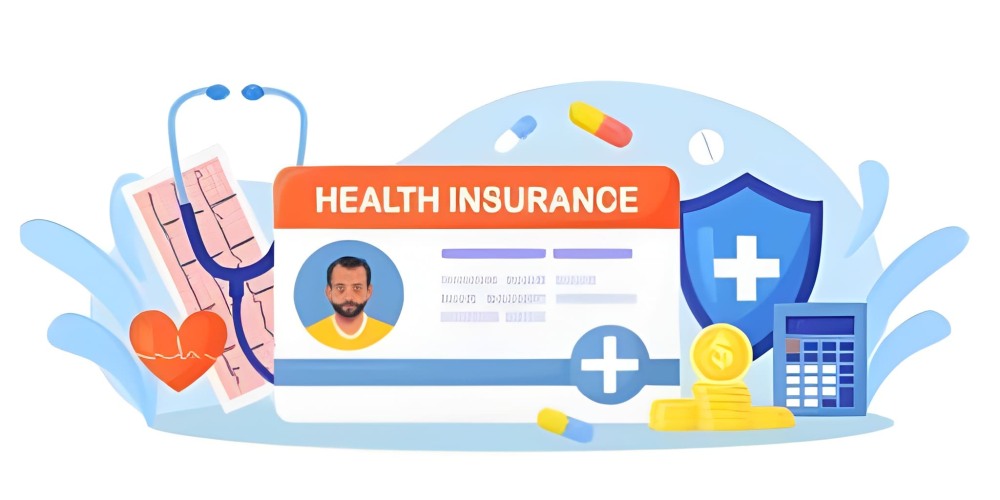
Health and insurance refer to a type of coverage that pays for medical expenses incurred due to illness, injury, or routine health checkups. It involves a contract between the insured person and an insurance company, where the insurer provides financial compensation for medical treatments in exchange for a premium.
This arrangement reduces the financial impact of unexpected health emergencies, making sure you're not burdened with heavy bills during tough times.
Importance of Health & Insurance
- Financial Protection: Medical treatments, surgeries, and hospital stays are expensive. Insurance helps cover these costs.
- Access to Quality Healthcare: With insurance, you’re more likely to seek timely medical attention without worrying about costs.
- Peace of Mind: Knowing that your finances are protected lets you focus on recovery rather than expenses.
- Tax Benefits: In many countries, including India and the US, health insurance premiums are tax-deductible.
- Preventive Care: Many policies offer free annual check-ups and preventive screenings.
Types of Health Insurance Plans
There are several types of health insurance plans available to suit different needs:
- Individual Health Insurance: Covers a single person.
- Family Floater Plan: One plan covers all family members.
- Group Health Insurance: Typically offered by employers to employees.
- Critical Illness Insurance: Covers life-threatening diseases like cancer, kidney failure, or heart attack.
- Top-up Plans: Provide additional coverage beyond the basic insurance limit.
How Health Insurance Works
Here’s how the health insurance process typically works:
- Choose a Plan: Based on your health needs, age, family size, and budget.
- Pay Premium: A fixed amount paid monthly or annually to the insurer.
- Claim Process: In case of a medical issue, submit a claim to the insurance company.
- Reimbursement or Cashless Treatment: Either the hospital bills are directly settled by the insurer (cashless) or you get reimbursed later.
Factors to Consider While Choosing Health Insurance
Before selecting a plan, it’s crucial to compare different policies and evaluate:
- Sum Insured: The maximum amount the insurer will pay in a year.
- Network Hospitals: Hospitals partnered with the insurance company for cashless treatment.
- Pre and Post-Hospitalization Cover: Some plans cover medical expenses before and after hospitalization.
- Daycare Procedures: Coverage for treatments not requiring 24-hour hospitalization.
- Maternity and Newborn Cover: Helpful for young couples planning a family.
- Pre-Existing Diseases Waiting Period: Time before coverage begins for existing conditions.
- No Claim Bonus (NCB): A reward for not claiming in a policy year.
Common Health Insurance Terminologies
Understanding key terms helps you make better decisions:
- Premium: The amount paid to buy insurance.
- Deductible: The amount you pay before the insurance kicks in.
- Copayment: A fixed percentage of the bill paid by the insured.
- Sum Insured: Maximum claimable amount per year.
- Waiting Period: Time during which certain treatments aren’t covered.
The Link Between Health & Financial Planning
Health and insurance should be integral parts of your financial planning. Unexpected hospitalizations can wipe out savings if not planned for. A robust health plan ensures your long-term financial goals aren’t derailed due to sudden medical expenses.
If you have dependents, not having adequate insurance can create a financial burden for them. Additionally, policies with investment options (like ULIPs or Health Savings Accounts in some countries) can also help build wealth.
Digital Trends in Health Insurance
The digital revolution has made buying and managing insurance easier:
- Online Comparisons: Tools let you compare policies in minutes.
- Instant Policy Issuance: No need to visit an office.
- Cashless Claim Apps: File and track claims on your smartphone.
- Telemedicine Integration: Some insurers offer free online doctor consultations.
- Wearable Integration: Some policies adjust premiums based on your fitness tracker data.
Challenges in Health & Insurance
While health insurance has many benefits, there are challenges too:
- Complex Terms: Many people don’t understand policy details.
- Exclusions: Some diseases and treatments may not be covered.
- Claim Rejections: Incorrect documentation or misunderstanding of policy can result in rejection.
- Rising Premiums: Especially as you age or if you have chronic illnesses.
- Fraud: Always check the insurer’s credibility to avoid scams.
Tips to Maximize Your Health Insurance
- Buy Early: Premiums are lower when you’re young and healthy.
- Read the Fine Print: Understand inclusions and exclusions.
- Use Preventive Benefits: Make use of free checkups and consultations.
- Renew Timely: Never let your policy lapse.
- Maintain Records: Keep all bills and prescriptions for easy claims.
Health Insurance for Senior Citizens
Older individuals need specialized health coverage:
- Higher Sum Insured: Medical costs increase with age.
- Minimal Waiting Period: Choose policies with lower waiting times.
- Coverage for Pre-Existing Diseases: Must cover common senior illnesses.
- Annual Health Check-ups: Should be included.
- Affordable Premiums: Check if the insurer provides discounts or flexible payment options.
The Future of Health & Insurance
As healthcare and technology evolve, so will health insurance:
- AI in Underwriting: Faster and more accurate risk analysis.
- Blockchain: For transparent and tamper-proof medical records.
- Usage-Based Premiums: Based on lifestyle and health metrics.
- Customized Plans: AI-based personalization of policy features.
- Global Health Plans: Increasing demand for international medical coverage.
FAQs: Health & Insurance
Q1. What is the best age to buy health insurance?
The earlier you buy, the better. Premiums are low when you're young and healthy.
Q2. Can I get health insurance after hospitalization?
No, health insurance cannot cover past events. It must be purchased beforehand.
Q3. Is maternity covered under all health policies?
Not always. Maternity cover is optional and often has a waiting period.
Q4. What is cashless hospitalization?
It means the insurer directly settles the bill with the hospital, and you don’t have to pay upfront.
Q5. Do I need health insurance if my company already provides it?
Yes, personal insurance ensures coverage even if you change jobs or your employer’s plan is insufficient.
Q6. Can I change my health insurance provider?
Yes, through portability, you can switch insurers while retaining benefits like NCB.
Q7. Does health insurance cover COVID-19?
Most modern plans do, but always confirm with the provider.
Q8. What happens if I don’t renew my policy on time?
There’s a grace period, but if you miss that too, your policy lapses and you lose accumulated benefits.
Conclusion
Health & insurance is more than just a financial product—it’s a necessity in today’s unpredictable world. Whether you’re a young professional, a parent, or a retiree, the right plan can safeguard your health, protect your savings, and offer peace of mind.
From understanding policy types to choosing the right coverage and leveraging digital tools, staying informed is the first step. Evaluate your needs, compare plans, and invest in a comprehensive health insurance policy today. After all, your health is your real wealth—and it deserves protection.



















Leave A Comment
0 Comment