
Healthcare expenses can be a major burden, especially for low-income families, the elderly, students, and unemployed individuals. This is where the concept of free health insurance becomes critically important. Although the idea of completely free health insurance may sound too good to be true, many government programs, charitable organizations, and employers offer health coverage at zero or minimal direct cost for qualifying individuals and families.
This comprehensive guide explains everything about free health insurance: what it is, who provides it, who qualifies, how to apply, what is covered, what limitations exist, and how to get the most out of it.
1. What is Free Health Insurance?
Free health insurance means an individual or family receives health coverage without paying premiums directly out of pocket. While “free” typically means no regular payment, some programs may still have minor costs like small co-payments or limited out-of-pocket expenses for certain treatments.
Key Aspects
- Funded by government taxes, employers, or charitable contributions.
- Primarily helps low-income groups, vulnerable populations, children, elderly, or disabled individuals.
- May offer full or partial coverage for medical services.
Free health insurance provides financial relief for basic and emergency healthcare, helping people stay healthy without facing massive debts or skipping necessary treatments.
2. Major Providers of Free Health Insurance
Free health insurance can be offered through various sources. Understanding each type helps you find the best option for your situation.
Government-Funded Programs
Most commonly, free health insurance comes from public funding. Examples include:
- Medicaid (United States): A program for low-income individuals and families.
- CHIP (Children’s Health Insurance Program): For children whose families earn too much for Medicaid but cannot afford private insurance.
- National Health Services: Countries like the United Kingdom, Canada, and Australia provide tax-funded universal healthcare for all residents.
Employer-Sponsored Plans
Some employers offer health insurance that covers 100 percent of the premiums for employees and sometimes their dependents. This is common in large organizations, public sector jobs, or as part of high-value employee benefits packages.
Nonprofit and Charitable Organizations
Certain nonprofit groups or community health programs provide health coverage or direct care services for free. These are often targeted at specific vulnerable groups, such as homeless individuals, refugees, or disaster-affected communities.
Community and Religious Groups
In some regions, local communities or religious institutions arrange free health coverage or help raise funds for medical treatments for community members in need.
3. Who is Eligible for Free Health Insurance?
Eligibility depends on several factors and varies by country and program. Generally, the following groups often qualify:
- Low-income individuals and families
- Unemployed or underemployed people
- Children and minors
- Elderly citizens with limited income
- People with disabilities
- Pregnant women in financial hardship
- Refugees and asylum seekers
- Disaster victims in certain areas
Each program has its own eligibility requirements based on income levels, household size, age, or specific medical conditions. Always check the official criteria before applying.
4. How to Apply for Free Health Insurance
Applying for free health insurance is straightforward but requires preparation. Follow these general steps:
Step 1: Research Available Programs
Start by identifying what programs exist in your country or region. For example, in the United States, the official site HealthCare.gov helps connect you to Medicaid and CHIP. In other countries, national health departments provide information online or at local offices.
Step 2: Check Eligibility Requirements
Verify that you meet the income limits, age restrictions, and other criteria.
Step 3: Prepare Necessary Documents
You may need to submit:
- Proof of income (like recent pay stubs or tax returns)
- Identification documents (such as birth certificate or driver’s license)
- Proof of residence
- Details of household members
Step 4: Complete the Application
Most programs offer online applications, mail-in forms, or in-person enrollment through local health offices.
Step 5: Follow Up
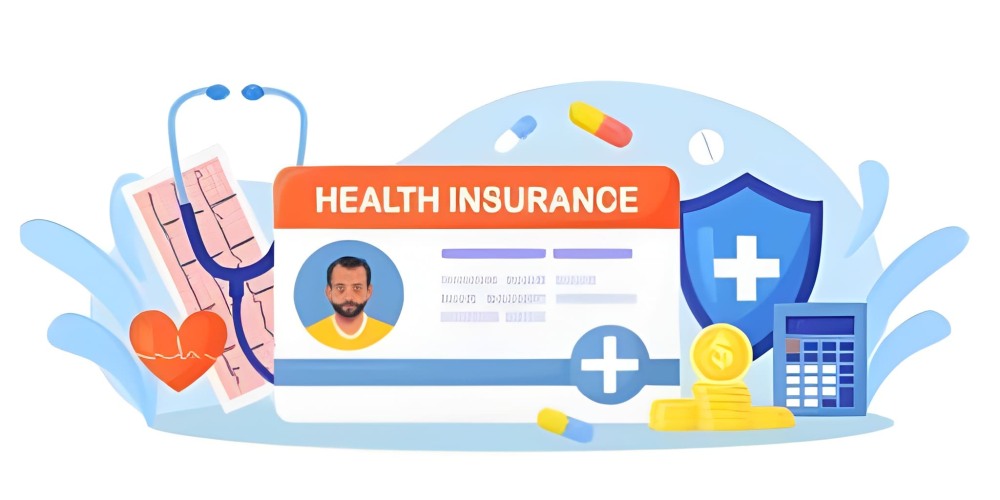
Some applications require an interview or additional documents. Once approved, you will receive an insurance card or enrollment confirmation.
5. What Does Free Health Insurance Cover?
Coverage details vary by program, but most free health insurance plans include essential health benefits. These typically cover:
- Routine doctor visits and check-ups
- Emergency services
- Hospital stays and surgeries
- Maternity and newborn care
- Prescription medications
- Preventive services like vaccinations and screenings
- Mental health and substance abuse treatment
Some programs may also include limited dental and vision care, especially for children. However, cosmetic procedures and alternative treatments are usually not covered.
6. Benefits of Free Health Insurance
Free health insurance offers clear advantages for individuals and families struggling financially:
- Removes the barrier to necessary medical care
- Provides peace of mind during emergencies
- Encourages preventive care and early treatment
- Reduces the risk of medical debt and financial ruin
- Promotes community health and productivity
For society, free health insurance can lower overall healthcare costs by preventing costly emergency care through early intervention.
7. Limitations of Free Health Insurance
While invaluable, free health insurance has certain limitations you should be aware of:
- Limited Provider Network: Patients may be required to use specific hospitals or doctors within an approved network.
- Longer Wait Times: In countries with universal healthcare, non-urgent procedures can have longer waiting periods.
- Coverage Gaps: Some specialized treatments, elective surgeries, or brand-name drugs might not be covered.
- Income Reevaluation: Eligibility often depends on income, so increased earnings may affect your continued access.
- Complex Application Process: Applying and renewing coverage can sometimes be time-consuming.
Understanding these limitations helps avoid surprises and ensures you plan appropriately for uncovered services.
8. Tips to Maximize Free Health Insurance
Once enrolled, use these strategies to get the most out of your coverage:
- Use Preventive Care: Take full advantage of free screenings, vaccinations, and wellness visits to catch issues early.
- Stick to the Approved Network: Visiting in-network providers helps avoid unexpected bills.
- Understand Costs: Be aware of any co-payments, deductibles, or services that may not be covered.
- Renew on Time: Many programs require annual income verification. Missing deadlines could cause a lapse in coverage.
- Seek Additional Support: If your plan doesn’t cover certain treatments, look for local nonprofits that offer financial aid for medications or transport.
9. How to Avoid Scams
Sadly, scams targeting people searching for free health insurance are common. Protect yourself by following these tips:
- Never share personal or financial information with unsolicited callers or websites.
- Always use official government or recognized nonprofit websites.
- If in doubt, contact your local health department for verification.
- Beware of promises that seem too good to be true, such as "lifetime free insurance with no conditions."
Being vigilant helps you avoid fraud and ensures you receive legitimate assistance.
10. Free Health Insurance Around the World
Free health insurance varies greatly worldwide:
United Kingdom: The National Health Service (NHS) provides healthcare to all residents funded by general taxation. Most services are free at the point of use.
Canada: Each province administers public health insurance that covers essential medical services without direct charges to patients.
Australia: Medicare covers most medical services for citizens and permanent residents, with some out-of-pocket expenses for specialist care.
United States: There is no universal healthcare system, but programs like Medicaid, CHIP, and certain state-funded initiatives provide free or low-cost insurance to qualifying groups.
India: Ayushman Bharat is the largest government-funded health insurance scheme aiming to cover millions of low-income families with free treatment up to a set limit.
Other countries have similar models, with varying degrees of coverage and out-of-pocket costs.
11. The Future of Free Health Insurance
With rising medical costs and growing awareness of healthcare as a basic right, more governments are working to expand free or affordable health insurance programs. Technology, telemedicine, and public-private partnerships also play a significant role in making healthcare more accessible and cost-effective.
Global health organizations and humanitarian aid agencies continue to advocate for universal health coverage, aiming to reduce inequality and improve quality of life worldwide.
12. Alternatives If You Don’t Qualify for Free Health Insurance
If you do not qualify for free health insurance, consider these alternatives:
- Subsidized Health Plans: Many countries offer income-based subsidies to reduce insurance premiums.
- Community Health Clinics: Nonprofit clinics often provide low-cost or free services regardless of insurance status.
- Charity Care: Some hospitals have charity care programs for patients who cannot pay.
- Catastrophic Insurance: Low-cost plans that cover major medical emergencies but not routine care.
- Negotiated Payment Plans: Some providers allow installment payments for medical bills.
Exploring these options helps you maintain access to healthcare without severe financial stress.
Conclusion
Free health insurance is a vital resource for millions of people worldwide. Whether funded by the government, employers, or charities, it helps protect families from unexpected medical costs and promotes healthier communities.
Understanding eligibility, coverage, and the application process empowers you to take advantage of this support. While free health insurance might not cover every possible treatment, it provides a critical safety net for essential care.
If you or someone you know struggles to afford healthcare, researching available free health insurance options is a smart step toward a healthier, more secure future.
Frequently Asked Questions (FAQs)
Q1. Is free health insurance completely free?
Usually, free health insurance means you do not pay monthly premiums. However, there might be small costs for co-payments, certain prescriptions, or treatments not covered under the plan.
Q2. Who qualifies for free health insurance?
Eligibility depends on income, household size, age, disability status, and sometimes employment status. Check with local government programs to see if you qualify.
Q3. How do I apply for free health insurance in the United States?
You can apply for Medicaid and CHIP through your state’s health department or via HealthCare.gov. Local community health centers can also help with applications.
Q4. What services are covered under free health insurance?
Most programs cover doctor visits, emergency care, hospital stays, maternity care, mental health services, and prescriptions. Some plans include dental and vision care, especially for children.
Q5. Can my income affect my free health insurance eligibility?
Yes. Most programs require you to meet income limits, and your eligibility may change if your income increases or household circumstances change.













Leave A Comment
0 Comment