

Health insurance is one of the most essential components of a secure financial future. With rising medical costs and unpredictable health challenges, having a health insurance plan can be the difference between financial stability and crisis. For those venturing into the world of health coverage for the first time, choosing the right “first health insurance” plan can seem daunting. This guide is designed to help you understand the basics, compare options, and make informed decisions.
What Is Health Insurance?
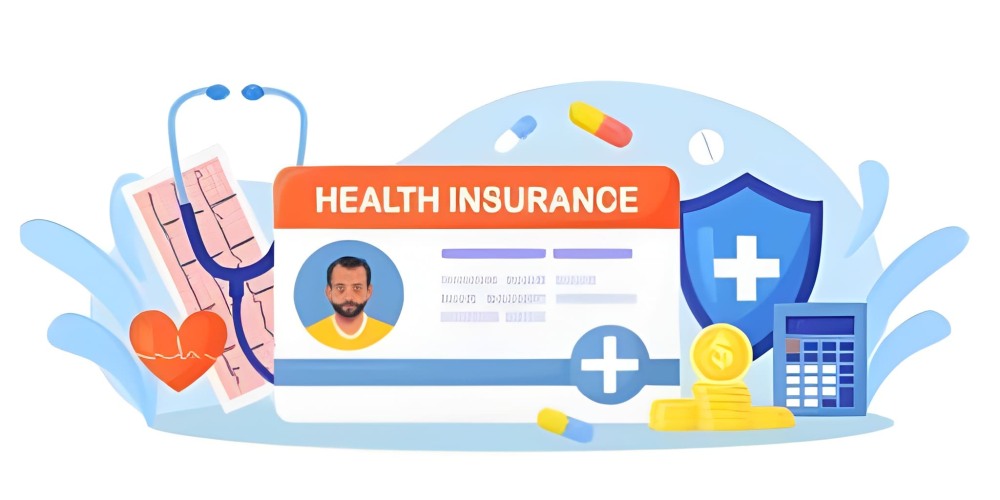
Health insurance is a contract between you and an insurance company where you pay a premium in exchange for financial protection against healthcare expenses. These expenses may include doctor visits, hospitalization, surgery, prescription drugs, and preventive care.
When you enroll in a health insurance plan, the insurer agrees to cover part or all of your healthcare costs as defined in your policy. This coverage can vary widely depending on the type of plan and the insurance provider.
Why Is First Health Insurance Important?
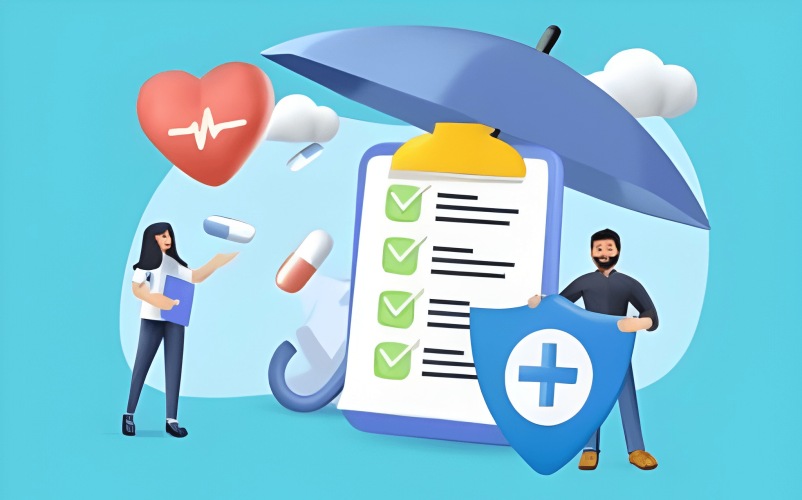
Your first health insurance policy lays the foundation for how you engage with the healthcare system. It’s not just a financial tool but also a means to access quality care when you need it most. Here’s why it matters:
- Protection Against High Medical Costs: A single hospitalization can drain your savings. Health insurance covers most of these costs.
- Access to Better Healthcare: Insured individuals often receive timely treatment compared to those without coverage.
- Peace of Mind: Knowing you’re covered lets you focus on recovery rather than expenses during medical emergencies.
- Preventive Services: Many plans cover annual check-ups, vaccinations, and screenings at no additional cost.
Understanding the Basics Before Choosing Your First Health Insurance Plan
If you’re buying your first health insurance policy, it’s vital to familiarize yourself with common terms and concepts:
1. Premium
The amount you pay regularly (monthly, quarterly, or yearly) to keep your insurance active.
2. Deductible
The amount you must pay out-of-pocket for medical services before your insurance starts to pay.
3. Co-payment
A fixed amount you pay for certain services like doctor visits or prescription drugs.
4. Co-insurance
The percentage of costs you share with your insurance company after meeting your deductible.
5. Network
The group of hospitals, doctors, and other healthcare providers that have agreements with your insurance company. Using in-network providers typically means lower costs.
6. Out-of-pocket maximum
The most you’ll have to pay in a year before your insurer covers 100% of your covered services.
Types of Health Insurance Plans for First-Time Buyers
When looking for your first health insurance, you’ll come across different plan types. Each has its own pros and cons.
1. Individual Health Insurance
Ideal for those who are self-employed, unemployed, or not covered by employer plans. These plans can be purchased through private insurers or government marketplaces.
2. Employer-Sponsored Insurance
If your employer offers health coverage, it’s often the most affordable option because they usually pay part of the premium.
3. Family Health Insurance
A family floater plan covers the whole family under one policy. This is useful for couples or parents with children.
4. Student Health Insurance
If you’re a student, many colleges and universities offer their own health plans.
5. Government-Sponsored Plans
Depending on your income and location, you might be eligible for plans like Medicaid or subsidized coverage through national programs.
How to Choose Your First Health Insurance Plan
Picking the right first health insurance plan can feel overwhelming, but these steps will simplify the process:
1. Assess Your Needs
Think about your current health, how often you visit the doctor, and any medications you take. Also, consider whether you want to include family members in the plan.
2. Set a Budget
Determine how much you can afford to pay in premiums, deductibles, and other out-of-pocket expenses.
3. Compare Plans
Use official marketplaces or insurer websites to compare benefits, premiums, coverage, and exclusions.
4. Check the Network
Make sure your preferred doctors and hospitals are in the plan’s network. Out-of-network care can be expensive.
5. Understand What’s Covered
Some plans don’t cover maternity, dental, or vision services. Read the fine print to avoid surprises.
6. Evaluate Customer Support
Go for insurers known for good customer service and easy claim settlement.
Common Mistakes First-Time Buyers Should Avoid
Getting your first health insurance is a big step, and avoiding common pitfalls is crucial.
- Only Looking at Premiums: A low premium can come with high deductibles and fewer benefits.
- Ignoring the Network: Getting treated out-of-network can cost significantly more.
- Overlooking the Fine Print: Not understanding what’s excluded can lead to denied claims.
- Delaying Purchase: Waiting until you’re sick to buy insurance means you might not get immediate coverage.
- Skipping Preventive Services: Most plans offer free preventive care—don’t ignore these benefits.
Benefits of Having First Health Insurance Early in Life
Purchasing health insurance early has several long-term benefits:
- Lower Premiums: Younger individuals typically pay lower premiums.
- No Waiting Periods: Pre-existing diseases often have waiting periods, which can be met earlier if you buy a plan young.
- Tax Savings: Premiums paid are eligible for tax deductions under many government tax systems.
- Better Risk Management: Health risks increase with age; getting coverage early helps manage unexpected costs effectively.
Digital Health Insurance: The New Norm
Today’s first-time buyers are increasingly turning to digital platforms for their health insurance needs. Digital health insurance comes with the following benefits:
- Easy Comparison: You can compare dozens of plans in minutes.
- Instant Policy Issuance: Many platforms offer immediate policy issuance after payment.
- Transparency: Reviews, ratings, and policy documents are readily available.
- Online Claim Process: Submit documents and track claim status online.
- Renewals and Portability: Easily renew or port your plan to another insurer if needed.
What to Do After Buying Your First Health Insurance
Buying your first health insurance is only the beginning. Here’s what to do next:
- Read Your Policy Document: Understand all terms, conditions, and exclusions.
- Save Important Contacts: Keep insurer contact numbers and hospital helplines handy.
- Know the Claim Process: Learn how to raise a claim for both cashless and reimbursement options.
- Track Free Services: Use your preventive check-ups and wellness programs if provided.
- Keep Renewing On Time: Missing renewal can lead to a lapse in coverage and loss of benefits.
When Should You Upgrade Your First Health Insurance Plan?
As your life changes, so will your healthcare needs. You might need to upgrade your plan when:
- You get married and want to add your spouse.
- You have children and need a family floater plan.
- Your income increases and you can afford better coverage.
- You develop a medical condition requiring more comprehensive care.
Role of Insurance Agents and Advisors
While online platforms are convenient, speaking with a licensed insurance agent can provide personalized advice. They can:
- Explain complex terms in simple language.
- Suggest plans based on your budget and health profile.
- Help you with the paperwork and claim process.
- Offer post-sale support.
Choose a certified and reputable agent to avoid mis-selling.
Health Insurance Riders and Add-Ons for Extra Protection
Your first health insurance plan can be enhanced with add-ons:
- Critical Illness Cover: Pays a lump sum if diagnosed with a listed serious illness.
- Accident Cover: Offers additional payout in case of accidental injuries or death.
- Maternity Cover: Covers childbirth and related expenses (usually has a waiting period).
- Hospital Cash: Pays a daily amount during hospitalization.
- Top-Up Plans: Increase your coverage without changing your base plan.
First Health Insurance for Senior Citizens
If you're looking to buy health insurance for your parents or elderly relatives, specialized senior citizen plans are available. These plans often come with:
- Higher premiums due to age-related risks.
- Mandatory medical check-ups before issuance.
- Coverage for pre-existing diseases after a waiting period.
It's important to evaluate their health history before choosing a plan.
The Future of Health Insurance
With technology advancing, the future of first-time health insurance is promising:
- Wearable Integration: Devices that track your health can offer discounts.
- AI-Based Underwriting: Faster and more accurate risk evaluation.
- Customized Plans: Insurers offering policies tailored to individual needs.
- Telemedicine: Virtual consultations covered under insurance.
- Preventive Focus: Rewards and incentives for staying healthy.
Final Thoughts
Choosing your first health insurance plan is a significant decision that affects not only your finances but your overall well-being. With the right knowledge and careful comparison, you can find a plan that offers peace of mind, protection, and access to quality care. Take your time, read the details, ask questions, and most importantly, don't delay. The earlier you get insured, the better prepared you'll be for life's unexpected health events.
Frequently Asked Questions (FAQs)
Q1: What is the best health insurance for first-time buyers?
A: The best plan depends on your age, health condition, and budget. Look for comprehensive coverage with low waiting periods and a good hospital network.
Q2: Can I buy health insurance without a medical check-up?
A: Many insurers offer policies without medical tests up to a certain age and sum insured. However, for higher coverage or older age groups, a check-up might be required.
Q3: What documents are needed to buy my first health insurance?
A: Typically, you need identity proof, address proof, age proof, and medical history if applicable.
Q4: Is there a waiting period in health insurance?
A: Yes, most policies have waiting periods for pre-existing diseases (1-4 years) and specific treatments.
Q5: Can I switch to a different insurer later?
A: Yes, you can port your policy to another insurer during renewal without losing benefits like the waiting period.
Q6: What if I miss my premium payment?
A: Most insurers offer a grace period (15–30 days). If you miss this too, the policy lapses and you lose coverage.
Q7: Does my first health insurance plan cover COVID-19?
A: Most current health insurance policies cover COVID-19 treatment. Always check the policy wording to be sure.
Q8: Can I include my family in the first policy?
A: Yes, you can opt for a family floater plan that covers your spouse, children, and sometimes parents.
Q9: Are online health insurance plans safe to buy?
A: Yes, buying from official insurer websites or trusted aggregators is safe and often more convenient.
Q10: What is the claim settlement ratio, and why does it matter?
A: It indicates the number of claims settled versus received. A higher ratio means better chances of your claim being processed successfully.

















Leave A Comment
0 Comment