
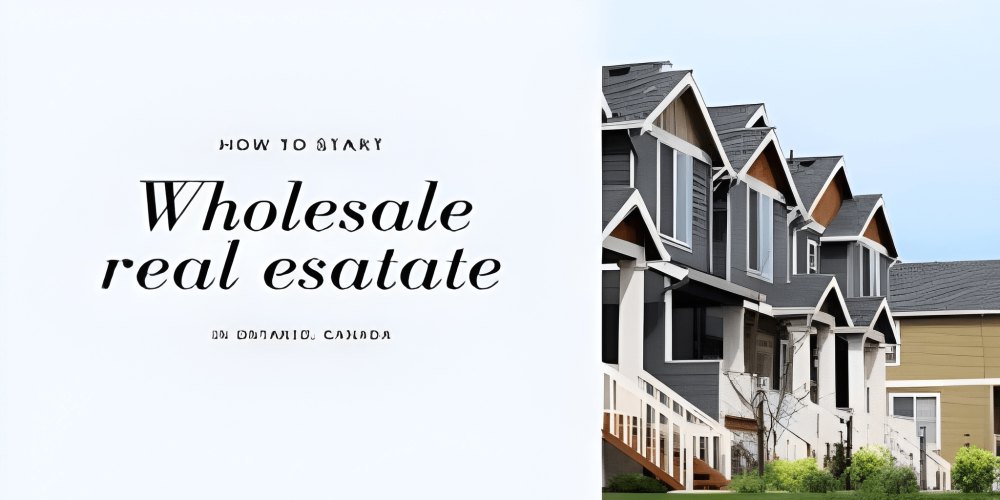
Real estate is a lucrative industry with many ways to generate wealth. While many people think of buying rental properties or flipping houses, wholesale real estate is another highly popular and profitable strategy. But what exactly does wholesale real estate mean, how does it work, and is it right for you? In this detailed guide, we will break down everything you need to know about wholesale real estate, from the basics to advanced strategies, so you can decide if this unique approach aligns with your investment goals.
What is Wholesale Real Estate?
Wholesale real estate is a short-term investment strategy where a wholesaler contracts a home with a seller, then finds an end buyer to purchase that contract for a higher price. Essentially, the wholesaler acts as a middleman between a motivated seller and a real estate investor or buyer. The wholesaler never actually owns the property — they control the rights to purchase it, and then sell those rights for a profit.
This method is popular because it allows you to make money in real estate without needing significant capital, credit, or the responsibility of owning or renovating the property. Wholesalers earn what’s called an assignment fee, which is the difference between the price agreed upon with the seller and the price paid by the end buyer.
How Does Wholesale Real Estate Work?
Let’s break it down step-by-step:
- Find a Motivated Seller:
The first step is to identify property owners who are eager to sell quickly, often because of foreclosure, divorce, relocation, or financial difficulties. These properties are usually distressed and sold below market value. - Negotiate a Purchase Agreement:
Once you find a potential deal, you negotiate a purchase contract with the seller. This contract should have an assignability clause, allowing you to legally transfer the purchase rights to another buyer. - Find an End Buyer:
Next, you look for a real estate investor or cash buyer who wants to purchase the property at a slightly higher price. This could be a house flipper, a landlord, or another investor. - Assign the Contract:
You then assign your purchase contract to the end buyer. The buyer pays you an assignment fee for facilitating the deal. - Close the Deal:
At closing, the seller gets the agreed price, the wholesaler gets their fee, and the buyer gets the property to flip or rent out.
Why Wholesale Real Estate is Attractive
Wholesale real estate is an appealing strategy for beginners and seasoned investors alike. Here’s why:
- Low Risk: You don’t actually buy the property, so you avoid the risks of ownership, repairs, and market fluctuations.
- Low Capital Required: Unlike flipping, wholesaling requires little to no upfront capital, since you’re just assigning contracts.
- Fast Profits: Wholesaling can yield profits in weeks instead of months or years.
- Good Learning Opportunity: It helps new investors learn how to find deals, negotiate, and understand property values.
Key Skills You Need for Wholesaling
While wholesaling sounds simple, it demands specific skills to succeed consistently:
- Marketing: You must know how to market to motivated sellers and buyers.
- Negotiation: You should be comfortable negotiating good deals for all parties.
- Networking: Building a strong network of buyers, agents, and other investors is critical.
- Market Knowledge: Understanding local property values helps you spot profitable deals.
How to Find Wholesale Real Estate Deals
Finding good wholesale deals is the backbone of your success. Here are some effective methods:
Direct Mail Campaigns: Send letters or postcards to property owners who may want to sell.
Driving for Dollars: Drive around neighborhoods looking for distressed, vacant, or neglected properties.
Online Marketing: Use social media ads or build a website to attract motivated sellers.
Public Records: Search foreclosure listings, tax liens, or probate cases.
Networking: Attend real estate meetups, auctions, or connect with agents who know of off-market deals.
Bandit Signs: Place signs in neighborhoods saying “We Buy Houses Cash” with your phone number.
Building a Buyers List
Equally important is having a list of ready buyers. Here’s how to build one:
- Attend REI Meetings: Meet local real estate investors.
- Online Platforms: Use websites like BiggerPockets or local Facebook investor groups.
- Real Estate Auctions: Investors frequent auctions looking for good deals.
- Networking with Agents: Some agents work with investor clients needing properties.
A solid buyers list ensures you can move contracts quickly, avoiding delays that might ruin your deal.
Legal Considerations in Wholesale Real Estate
Legality is an area you can’t ignore. Wholesaling is legal in most places, but some states have restrictions to prevent unlicensed individuals from acting like real estate agents. Key points to remember:
- Assignment Clause: Always include an assignability clause in your contracts.
- Disclosures: Fully disclose to all parties that you’re a wholesaler and will assign the contract.
- Licensing: Some states require a real estate license for certain wholesale activities.
Consult a real estate attorney familiar with your local laws to ensure compliance.
How Much Money Can You Make in Wholesale Real Estate?
Assignment fees vary greatly, but a typical range is $5,000 to $20,000 per deal. Some deals can earn you more, especially in hot markets with high property values. Your income depends on:
- The number of deals you close per month.
- The spread you negotiate between seller and buyer.
- The efficiency of your marketing and network.
Many wholesalers aim to close 1–5 deals monthly, scaling up as they gain experience.
Common Challenges in Wholesale Real Estate
While the process sounds simple, wholesalers often face hurdles:
- Finding Good Deals: Competition can be stiff, and good leads are scarce.
- Building Trust: Sellers and buyers must trust you to handle the deal ethically.
- Time Pressure: Contracts often have tight deadlines. If you fail to find a buyer quickly, you might lose the deal.
- Legal Issues: Mishandled contracts or poor disclosures can lead to lawsuits or licensing issues.
Overcoming these challenges requires persistence, education, and strong systems.
Wholesale Real Estate vs. House Flipping
People often confuse wholesaling with flipping. Here’s the key difference:
- Wholesaling: You sell the right to buy the property. You never take ownership or do renovations.
- Flipping: You buy, repair, and resell the property at a profit.
Wholesaling is faster and less capital-intensive, but flipping can yield larger profits per deal.
How to Get Started in Wholesale Real Estate
Ready to dive in? Here’s a simple plan:
- Educate Yourself: Read books, take online courses, and learn from experienced wholesalers.
- Research Your Market: Understand property values, hot neighborhoods, and typical renovation costs.
- Build Your Buyer’s List: Before finding deals, know who your buyers will be.
- Market for Leads: Choose a few marketing strategies and stay consistent.
- Analyze Deals: Learn to run numbers to ensure you’re locking up profitable contracts.
- Negotiate and Contract: Master the art of negotiation and use simple, clear contracts.
- Assign and Close: Once you find a buyer, assign the contract and collect your fee.
Tips for Successful Wholesale Real Estate Deals
Here are some practical tips to thrive as a wholesaler:
- Be Transparent: Honesty builds your reputation and avoids legal trouble.
- Act Fast: Good deals don’t last. Respond quickly to leads and buyer inquiries.
- Stay Organized: Use spreadsheets or CRM tools to track leads and deals.
- Build Partnerships: Team up with other wholesalers, agents, or investors.
- Never Stop Learning: Market trends change. Stay up to date with local regulations and techniques.
Is Wholesale Real Estate Right for You?
Wholesale real estate isn’t for everyone. It works best for people who:
- Enjoy negotiating and talking to strangers.
- Have a strong work ethic and can handle rejection.
- Are willing to learn marketing and sales.
- Want quick cash flow instead of long-term passive income.
If you prefer passive income, consider rental properties instead. But if you want to build capital fast, wholesaling can be a great entry point into real estate investing.
FAQs About Wholesale Real Estate
Q1: Do I need a license to wholesale real estate?
Answer: Not always. In many states, you can wholesale without a license if you follow all disclosure rules and don’t market the property itself — only the contract. However, some states require a license. Always check local laws.
Q2: How much money do I need to start wholesaling?
Answer: You can start with very little — often under $1,000 — mostly for marketing costs like direct mail, signs, or online ads. You generally don’t need money for down payments since you’re assigning the contract.
Q3: Is wholesaling real estate legal?
Answer: Yes, wholesaling is legal in most states if done properly. Problems arise if you act like a real estate agent without a license or don’t disclose your role as a wholesaler.
Q4: Can I wholesale commercial properties?
Answer: Absolutely! While most wholesalers start with single-family homes, some wholesale multi-family or commercial properties. These deals often have larger assignment fees but may take longer to close.
Q5: How long does it take to close a wholesale deal?
Answer: Some deals close in a week; others may take 30–60 days. It depends on how quickly you find a buyer and how motivated the seller is.
Conclusion
Wholesale real estate offers an exciting pathway for investors to generate income without huge capital investment or the headaches of property ownership. It’s a strategy that rewards hustle, networking, and negotiation skills. With the right knowledge, ethical practices, and persistence, you can build a thriving wholesaling business that fuels your larger real estate goals.
Whether you’re brand new to real estate or a seasoned investor looking to diversify, wholesaling is worth considering. It’s not a get-rich-quick scheme, but for those willing to put in the work, it can be a powerful stepping stone to financial freedom and bigger investment opportunities.
Final Thoughts
If you’re interested in getting started with wholesale real estate, take the first step today. Educate yourself, build your network, and don’t be afraid to make offers. The experience you gain along the way will open doors to more advanced real estate investing strategies in the future.

















Leave A Comment
0 Comment