
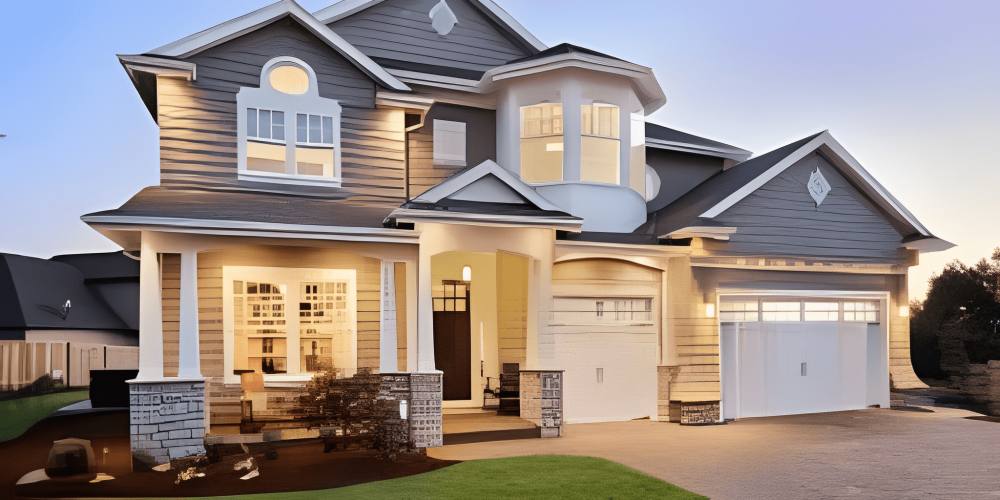
Utah has become one of the hottest real estate markets in the United States. With its booming economy, stunning landscapes, outdoor recreation, and a growing population, it's no wonder that people from across the country are looking to buy, sell, and invest in Utah real estate. Whether you're a first-time homebuyer, a seasoned investor, or someone looking to relocate, this comprehensive guide will help you understand everything you need to know about the Utah real estate market in 2025.
Why Utah?
Before diving into the nitty-gritty of buying and selling property in the state, it’s important to understand what makes Utah so appealing.
1. Strong Economy and Job Market
Utah has one of the strongest economies in the nation. The state’s unemployment rate consistently ranks below the national average. Major cities like Salt Lake City, Provo, and Ogden are home to booming tech industries, manufacturing, healthcare, and finance sectors. Tech companies often refer to the Provo-Salt Lake corridor as “Silicon Slopes.”
2. Natural Beauty and Outdoor Lifestyle
Utah is famous for its natural beauty — from the red rock formations of Southern Utah to the snow-covered peaks of the Wasatch Mountains. The state is a haven for hikers, bikers, skiers, and adventurers. With five national parks, countless ski resorts, and scenic lakes, Utah draws nature lovers and outdoor enthusiasts year-round.
3. Growing Population
Utah is one of the fastest-growing states in the U.S. This surge in population is driving demand for housing, making real estate a potentially lucrative investment. Families, young professionals, and retirees are all moving to Utah for its quality of life, affordable living (compared to coastal states), and strong communities.
Utah Real Estate Market Overview in 2025
As of 2025, Utah’s real estate market is experiencing a balance between demand and available housing. Interest rates have stabilized, and home prices, while high compared to five years ago, are beginning to level off.
Median Home Prices
In major metropolitan areas like Salt Lake City and Park City, median home prices remain high due to ongoing demand. However, suburban and rural areas offer more affordable options for buyers looking to enter the market.
- Salt Lake City: Home prices average around $575,000.
- Provo: Around $495,000.
- St. George: Median price is about $480,000.
- Ogden: More affordable, with prices closer to $430,000.
Housing Inventory and Construction
Homebuilders are actively constructing new developments across the state to keep up with population growth. You'll find new single-family homes, condos, and townhouses sprouting up in suburban areas, particularly in places like Lehi, Saratoga Springs, and Eagle Mountain.
Rental Market
The rental market in Utah is also strong. With a growing number of students, remote workers, and young families who aren’t yet ready to buy, rental properties are in high demand. This makes Utah a favorable market for landlords and real estate investors.
Best Places to Buy Real Estate in Utah
Choosing where to buy in Utah depends on your priorities—whether it’s proximity to work, schools, outdoor recreation, or investment opportunities.
1. Salt Lake City
Utah’s capital and largest city is ideal for professionals and investors. It has a diverse job market, urban amenities, and a growing population. Neighborhoods like Sugar House, The Avenues, and Downtown are popular among young professionals and families.
2. Park City
A luxurious mountain town known for skiing and Sundance Film Festival. Homes are expensive, but the area offers great potential for short-term rental income and long-term value appreciation.
3. Provo and Orem
These cities are part of Utah County, one of the fastest-growing regions. They offer strong job prospects, top universities like BYU, and family-friendly communities.
4. St. George
Located in Southern Utah, this city enjoys a warm climate and close proximity to national parks. It’s popular with retirees and second-home buyers.
5. Logan
A college town in Northern Utah that offers affordable living, good schools, and a quiet pace of life. A great option for first-time buyers and long-term investors.
Steps to Buying a Home in Utah
1. Determine Your Budget
Understand your finances, credit score, and loan eligibility. Utah offers down payment assistance programs for first-time buyers.
2. Get Pre-Approved
Work with a mortgage lender to get pre-approved. This gives you an idea of what you can afford and makes you a serious buyer.
3. Find a Local Real Estate Agent
Utah’s market is competitive. A local realtor will help you find homes that fit your criteria and guide you through negotiations.
4. Tour Homes and Make an Offer
Once you find a home you like, your agent will help you submit an offer. In competitive markets, you may need to offer above asking price.
5. Home Inspection and Closing
After the offer is accepted, schedule a home inspection. If all goes well, you’ll proceed to closing, where ownership officially transfers to you.
Selling Property in Utah
Selling a home in Utah can be profitable, especially if you’ve owned the property for several years. Here are some key tips:
- Stage your home to make it more attractive to buyers.
- Price it right by comparing similar homes in your area.
- List on the MLS and promote it on social media and Zillow.
- Hire a professional photographer for quality images.
- Be prepared for negotiations, especially if buyers ask for repairs or closing costs.
Investing in Utah Real Estate
Utah is a great state for real estate investors due to its stable economy and population growth.
Types of Investments
- Single-Family Rentals: Ideal for long-term income.
- Short-Term Rentals: Cities like Park City and Moab are tourist hotspots.
- Multi-Family Units: Duplexes and fourplexes can bring in multiple income streams.
- Commercial Real Estate: Offices, retail, and industrial properties have growth potential.
Market Trends for Investors
- Increasing rental demand in suburban areas.
- Rising property values in second-tier cities like Ogden and Logan.
- Favorable landlord laws and relatively low property taxes.
Challenges in the Utah Real Estate Market
While Utah offers many advantages, there are some challenges to be aware of:
1. Affordability
Home prices have increased significantly since 2020. This can make it difficult for first-time buyers to enter the market.
2. Low Inventory
Inventory remains tight, especially in popular areas. Be prepared to act quickly and make competitive offers.
3. Weather Extremes
Northern Utah experiences cold, snowy winters, which may affect home maintenance and costs. Southern Utah faces extreme summer heat.
Real Estate Laws and Regulations in Utah
Here are a few laws you should know if you’re buying or selling property in Utah:
- Disclosure laws require sellers to inform buyers about any known issues with the property.
- Title insurance is recommended to protect against ownership disputes.
- Property taxes in Utah are relatively low (average effective rate is around 0.58%).
Sustainable and Green Living
Utah residents are increasingly interested in sustainability. Many new developments include solar panels, energy-efficient appliances, and drought-tolerant landscaping. Buying an eco-friendly home can save you money in the long run and help the environment.
Future Outlook of Utah Real Estate
Experts predict that Utah’s real estate market will continue to grow, albeit at a more moderate pace. The factors contributing to this growth include:
- Continued population influx from states like California and Colorado.
- Expansion of public transportation systems, like Salt Lake’s TRAX.
- Increasing demand for suburban and rural properties due to remote work.
Frequently Asked Questions (FAQs)
Q1. Is Utah a good state to buy real estate in 2025?
Yes, Utah continues to be a solid real estate investment location. With a strong economy, population growth, and high quality of life, the state offers long-term potential for both homeowners and investors.
Q2. Are home prices going down in Utah?
As of 2025, home prices in Utah have stabilized after several years of rapid growth. While prices are not significantly dropping, the market is becoming more balanced.
Q3. What is the average cost of a home in Utah?
The average cost of a home varies by region. Statewide, the average price is approximately $510,000, but this can be much higher in places like Salt Lake City and Park City.
Q4. How much are property taxes in Utah?
Utah has relatively low property taxes compared to other states. The average effective property tax rate is around 0.58%, though this may vary slightly by county.
Q5. Can non-residents buy property in Utah?
Yes, non-residents can buy property in Utah. There are no legal restrictions on property ownership for U.S. or foreign buyers, although financing options may vary.
Q6. Is it better to buy or rent in Utah?
That depends on your financial goals and lifestyle. Buying is generally a good long-term investment, especially if you plan to stay in the area for more than 3–5 years. Renting may be better for short-term stays or if you're unsure about your future location.
Q7. What areas of Utah are growing the fastest?
Utah County (Provo, Lehi), Washington County (St. George), and Tooele County are among the fastest-growing areas due to affordability, job growth, and housing developments.
Q8. What should I look for in a Utah real estate agent?
Look for someone with local market knowledge, positive client reviews, and experience in your target area or property type. A good agent can save you time, money, and stress.
Final Thoughts
Utah's real estate market in 2025 is full of opportunities, whether you're looking to buy a dream home, sell at a profit, or invest for the future. With a thriving economy, growing cities, and unmatched outdoor access, Utah is truly a place where lifestyle and investment meet.
Whether you're drawn by the mountains, the job market, or the promise of a high return on investment, the Beehive State welcomes you with open arms. Just be sure to do your research, work with a trusted local agent, and stay informed about market trends.




















Leave A Comment
0 Comment