
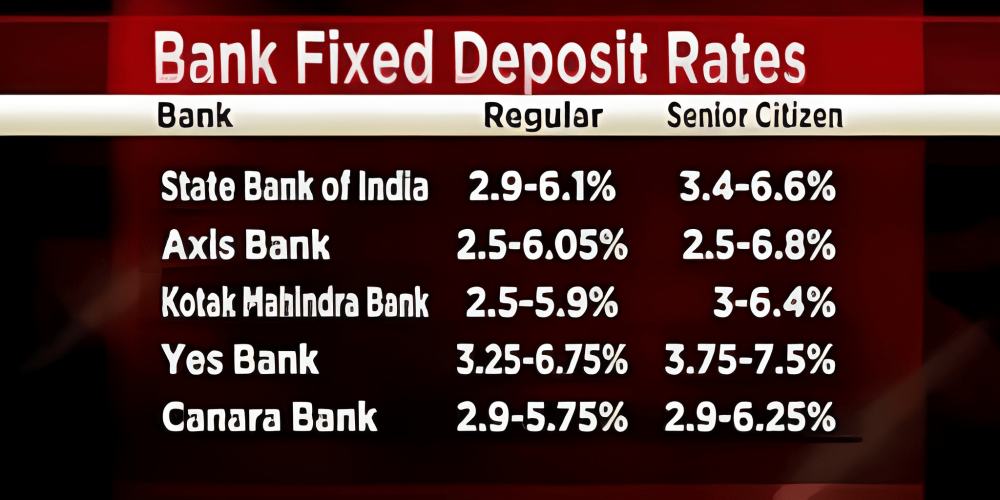
SBI fixed deposit rates are among the most trusted and widely searched investment options in India. State Bank of India (SBI), being the largest public sector bank, offers fixed deposits that combine safety, stable returns, and flexible tenures. Whether you are a senior citizen, a salaried professional, or a conservative investor, SBI fixed deposits remain a preferred choice for risk-free savings.
In this detailed guide, we will explain everything you need to know about SBI fixed deposit rates, including how they work, current interest trends, types of SBI FDs, eligibility, tax implications, premature withdrawal rules, and how to choose the right FD tenure.
What Is a Fixed Deposit in SBI?
A fixed deposit (FD) is a traditional investment where you deposit a lump sum amount with SBI for a fixed tenure at a predetermined interest rate. The interest rate remains constant throughout the tenure, which is why fixed deposits are considered low-risk investments.
SBI fixed deposit rates depend on factors such as:
- Deposit amount
- Tenure of the FD
- Age of the investor
- Type of fixed deposit
Unlike market-linked investments, SBI fixed deposit rates do not fluctuate during the investment period, offering financial certainty.
Why SBI Fixed Deposit Rates Are Popular in India
SBI fixed deposit rates are popular mainly because of the trust associated with State Bank of India. As a government-backed bank, SBI provides a strong sense of security to investors.
Key reasons for the popularity of SBI fixed deposit rates include:
- High safety and low risk
- Guaranteed returns
- Flexible tenure options
- Special interest rates for senior citizens
- Easy online and offline account management
- Loan facility against fixed deposits
For investors who prioritize capital protection over high returns, SBI fixed deposit rates are a reliable option.
Latest SBI Fixed Deposit Rates Overview
SBI fixed deposit rates vary based on tenure, typically ranging from short-term deposits of 7 days to long-term deposits of up to 10 years. Interest rates are usually higher for medium to long-term tenures.
SBI regularly revises its fixed deposit rates depending on RBI policies, inflation levels, and market liquidity. This makes it important for investors to check the latest SBI fixed deposit rates before investing.
Senior citizens usually receive an additional interest benefit over standard SBI fixed deposit rates, making FDs more attractive for retirees.
Types of Fixed Deposits Offered by SBI
SBI offers multiple fixed deposit schemes designed to meet different financial goals. Each scheme comes with its own features and applicable SBI fixed deposit rates.
Regular Fixed Deposit
This is the standard FD scheme where you invest a lump sum for a fixed tenure and earn interest at applicable SBI fixed deposit rates.
SBI Tax Saving Fixed Deposit
This FD comes with a lock-in period of five years and offers tax benefits under Section 80C of the Income Tax Act. The SBI fixed deposit rates for tax-saving FDs are competitive, but premature withdrawal is not allowed.
SBI Senior Citizen Fixed Deposit
Senior citizens receive higher SBI fixed deposit rates compared to regular investors. This scheme is ideal for those seeking steady post-retirement income.
SBI Annuity Deposit Scheme
Under this scheme, the deposit amount is returned in monthly installments along with interest. SBI fixed deposit rates under this plan suit individuals looking for regular income.
SBI Floating Rate Fixed Deposit
The interest rate changes based on the benchmark rate, offering potential benefits when interest rates rise.
SBI Fixed Deposit Rates for Senior Citizens
Senior citizens enjoy additional interest benefits on SBI fixed deposit rates, usually around 0.50% higher than regular rates. This makes SBI FDs a preferred investment choice for retirees who want stable income without market risk.
Higher SBI fixed deposit rates for senior citizens help:
- Beat inflation partially
- Generate predictable returns
- Provide financial security
Senior citizens can also opt for special schemes like SBI WeCare deposits when available, which offer enhanced interest rates for a limited period.
How SBI Fixed Deposit Interest Is Calculated
SBI fixed deposit rates are applied using either simple interest or compound interest, depending on the payout option chosen by the investor.
Interest payout options include:
- Monthly interest payout
- Quarterly interest payout
- Cumulative interest payout at maturity
Cumulative FDs generally offer better returns as interest is compounded, making full use of SBI fixed deposit rates over time.
Minimum and Maximum Investment in SBI Fixed Deposits
The minimum investment amount for SBI fixed deposits is usually affordable, making it accessible for most investors. There is no strict upper limit, but higher deposit amounts may be subject to additional scrutiny.
SBI fixed deposit rates remain the same regardless of the deposit amount, except for bulk deposits where different rates may apply.
Tenure Options Under SBI Fixed Deposit Rates
SBI offers flexible tenure options that allow investors to align their FD with financial goals.
Short-term FDs are suitable for parking surplus funds, while long-term FDs are ideal for wealth preservation. SBI fixed deposit rates generally increase with longer tenures, although very long tenures may sometimes offer slightly lower rates depending on market conditions.
Premature Withdrawal Rules for SBI Fixed Deposits
SBI allows premature withdrawal of fixed deposits, but it comes with a penalty. The penalty is usually a small percentage deducted from the applicable SBI fixed deposit rates.
Key points about premature withdrawal:
- Penalty applies on interest rate, not principal
- No penalty for deposits below certain amounts in some cases
- Tax-saving FDs do not allow premature withdrawal
Understanding these rules helps investors avoid unnecessary losses.
Loan Against SBI Fixed Deposit
One of the major advantages of SBI fixed deposit rates is the option to take a loan against the FD. Instead of breaking the FD, investors can borrow up to a certain percentage of the deposit amount.
Benefits include:
- Lower interest rates than personal loans
- Continued earning of interest on FD
- Quick processing
This feature adds liquidity while preserving the benefits of SBI fixed deposit rates.
Taxation on SBI Fixed Deposit Interest
Interest earned from SBI fixed deposits is taxable under the Income Tax Act. The interest income is added to the investor’s total income and taxed according to the applicable slab.
Important taxation aspects:
- TDS is applicable if interest exceeds the prescribed limit
- Senior citizens have a higher TDS exemption limit
- Tax-saving FDs offer deduction under Section 80C
Despite taxation, SBI fixed deposit rates remain attractive due to their stability.
SBI Fixed Deposit Rates vs Other Investment Options
Compared to equity, mutual funds, or cryptocurrencies, SBI fixed deposit rates offer lower returns but much higher safety. They are best suited for conservative investors or as part of a diversified portfolio.
SBI fixed deposit rates also outperform regular savings accounts in terms of interest, making them ideal for idle funds.
How to Open an SBI Fixed Deposit
Opening a fixed deposit in SBI is a simple process and can be done both online and offline.
Steps include:
- Choosing the FD type and tenure
- Checking applicable SBI fixed deposit rates
- Providing KYC details
- Depositing the amount
Online FD opening through internet banking is fast and paperless.
Benefits of Investing in SBI Fixed Deposit Rates
SBI fixed deposit rates offer several advantages that make them suitable for a wide range of investors.
Major benefits include:
- Capital safety
- Guaranteed returns
- Predictable income
- Flexible tenure
- Government-backed reliability
These benefits make SBI FDs a cornerstone of conservative financial planning.
Things to Consider Before Choosing SBI Fixed Deposit Rates
Before investing, consider:
- Current inflation rate
- Your tax slab
- Liquidity needs
- Investment horizon
Matching these factors with suitable SBI fixed deposit rates ensures better financial outcomes.
Are SBI Fixed Deposit Rates Good for Long-Term Investment?
SBI fixed deposit rates are suitable for long-term investors who prioritize safety over aggressive growth. However, for long-term wealth creation, FDs should ideally be combined with higher-return instruments.
Using SBI fixed deposits for stability and other investments for growth creates a balanced portfolio.
SBI Fixed Deposit Renewal and Auto-Renewal
SBI offers auto-renewal options where the FD is automatically renewed at prevailing SBI fixed deposit rates upon maturity. This helps avoid idle funds and ensures continuous earnings.
Investors should regularly review renewed SBI fixed deposit rates to ensure they align with market conditions.
FAQs on SBI Fixed Deposit Rates
What are SBI fixed deposit rates?
SBI fixed deposit rates are the interest rates offered by State Bank of India on fixed deposit investments for various tenures.
Are SBI fixed deposit rates safe?
Yes, SBI fixed deposit rates are considered extremely safe as SBI is a government-backed bank.
Do senior citizens get higher SBI fixed deposit rates?
Yes, senior citizens receive additional interest benefits over standard SBI fixed deposit rates.
Can SBI fixed deposit rates change after opening an FD?
No, once the FD is opened, the SBI fixed deposit rates remain fixed for the entire tenure.
Is interest on SBI fixed deposits taxable?
Yes, interest earned is taxable according to the investor’s income tax slab.
What is the minimum tenure for SBI fixed deposits?
The minimum tenure usually starts from a few days, depending on SBI policies.
Can I withdraw my SBI fixed deposit before maturity?
Yes, premature withdrawal is allowed with a penalty on applicable SBI fixed deposit rates.
Is there a tax-saving SBI fixed deposit?
Yes, SBI offers tax-saving fixed deposits with a lock-in period and tax benefits under Section 80C.
Can I take a loan against my SBI fixed deposit?
Yes, SBI allows loans against fixed deposits without breaking them.
How often are SBI fixed deposit rates revised?
SBI fixed deposit rates are revised periodically based on RBI policies and market conditions.
Conclusion
SBI fixed deposit rates continue to be a dependable investment choice for millions of Indians. With strong government backing, predictable returns, and flexible options, SBI fixed deposits are ideal for conservative investors, senior citizens, and anyone seeking financial stability.
While SBI fixed deposit rates may not offer high returns compared to market-linked investments, their safety and reliability make them an essential part of a balanced financial portfolio. Before investing, always review the latest SBI fixed deposit rates and align them with your financial goals.





















Leave A Comment
0 Comment