
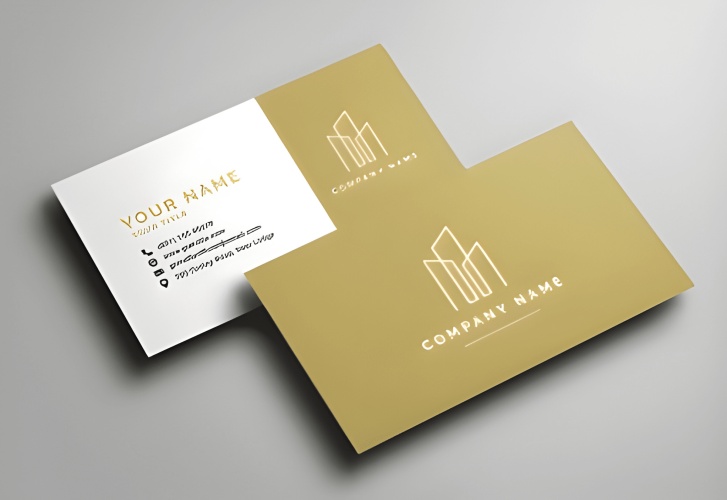
In the fast-paced and competitive world of real estate, first impressions matter. Whether you are an independent real estate agent, a broker, or part of a large property development firm, having a professionally designed visiting card can speak volumes about your brand. A real estate visiting card is more than just a piece of paper—it’s a compact introduction, a memory trigger, and sometimes even the deciding factor in whether a client follows up with you.
In this guide, we’ll walk you through everything you need to know about real estate visiting cards—why they matter, how to design them, what information to include, design trends, printing options, and best practices. By the end of this article, you’ll be fully equipped to create a visiting card that not only reflects your professionalism but also helps you build trust and convert prospects into clients.
What is a Real Estate Visiting Card
A real estate visiting card is a business card specifically designed for professionals in the property and housing industry. It contains essential information such as the agent’s name, contact details, company name, designation, and sometimes a company logo or slogan. It is often shared during meetings, property viewings, networking events, or even casual encounters where there's potential business interest.
Importance of Visiting Cards in Real Estate
1. Professional Identity
A well-designed visiting card showcases your role and professionalism in the real estate industry. Clients are more likely to trust someone who presents themselves in a polished, organized manner.
2. Credibility
Including your certifications, affiliations, and your agency's logo can lend you more credibility, especially in an industry where trust is crucial.
3. Brand Recall
With hundreds of agents in the market, a creative and attractive card helps people remember you. A memorable design or a catchy tagline can stick in the client’s mind.
4. Offline Networking Tool
Not every potential client is online. A physical business card works well in offline interactions, helping you connect with people across age groups and professions.
5. Direct Contact
Unlike a digital profile that requires searching, a visiting card gives instant access to your phone number, email, and address.
What to Include in a Real Estate Visiting Card
Here are the key elements that should be part of any professional real estate visiting card:
- Full Name
- Designation (e.g., Real Estate Consultant, Property Agent, Broker)
- Company Name
- Logo (Company or personal branding)
- Phone Number
- Email Address
- Website URL
- Social Media Handles (Optional)
- QR Code (Optional but increasingly popular)
- Office Address
- Tagline or Slogan (e.g., "Turning Dreams Into Realty")
Ensure all this information is clear, concise, and easy to read. Avoid cluttering the card with too many details.
Real Estate Visiting Card Design Tips
The design of your visiting card is as important as the information on it. Here are some helpful tips:
1. Keep It Simple and Elegant
Minimalist designs work best. Choose clean lines, readable fonts, and subtle color schemes that reflect sophistication and trust.
2. Use Real Estate Themes
Incorporate symbols like houses, keys, buildings, or rooftops into your design to make the purpose of the card immediately recognizable.
3. Quality Material
Choose good quality paper or material for printing. Matte, gloss, textured, or recycled paper are all good choices depending on your brand image.
4. Use Brand Colors
If you have brand colors, stick to them. This helps maintain brand consistency across all platforms—online and offline.
5. Readable Fonts
Avoid decorative fonts that are hard to read. Stick to clean and modern typefaces like Helvetica, Roboto, or Montserrat.
6. Orientation and Layout
While traditional cards are horizontal, vertical layouts are becoming popular in the real estate industry. Just make sure the layout supports all necessary details and looks balanced.
Popular Types of Real Estate Visiting Cards
1. Classic Paper Cards
These are traditional and cost-effective. Ideal for mass distribution and networking events.
2. Luxury Cards
These use premium materials like textured paper, metallic inks, or embossed designs. Suitable for high-end clients or luxury real estate services.
3. Digital Business Cards
Shareable via mobile apps or QR codes, these are eco-friendly and can be updated easily.
4. Die-Cut Cards
Custom shapes (like a house or key) can make your card stand out, but they may be costlier to print.
5. Transparent Cards
These use plastic or acetate materials and have a modern, unique appearance. Great for real estate tech companies or forward-thinking agencies.
How to Get Your Visiting Card Designed
There are several ways to design a real estate visiting card:
1. Graphic Designers
Hire a professional designer who understands brand identity and layout aesthetics.
2. Online Design Tools
Platforms like Canva, VistaPrint, and Adobe Express offer ready-made templates for real estate cards.
3. Printing Services with Design Assistance
Many printing companies offer design and print bundles. You choose a template, customize it, and they handle the rest.
Real Estate Visiting Card Design Trends in 2025
Staying up-to-date with design trends helps keep your card relevant. Here are some current trends:
- QR Code Integration
Scanning the code takes clients directly to your website, portfolio, or social media. - Eco-Friendly Materials
Recycled paper and soy-based inks are gaining popularity for sustainable branding. - Interactive Cards
NFC-enabled cards allow one-tap contact saving and website linking. - Minimalist Layouts
Clean backgrounds, lots of white space, and minimal text are in. - Monochrome or Dual-Tone Themes
Using just one or two colors, especially with metallic accents like gold or silver.
Printing Tips for Real Estate Visiting Cards
When it's time to print, consider the following:
- Resolution: Always use high-resolution files (300 DPI or more).
- Bleed Area: Include a 3 mm bleed on all sides to avoid trimming issues.
- CMYK Format: For accurate color output, use CMYK format rather than RGB.
- Paper Thickness: Opt for 300 GSM or higher for durability and premium feel.
Mistakes to Avoid When Designing a Visiting Card
- Overcrowding the Layout: Stick to essentials. Too much text distracts and confuses.
- Low-Quality Printing: Poor print quality can damage your brand image.
- Unprofessional Email IDs: Avoid casual or personal email addresses like realtyboss123@gmail.com. Use a branded one like raj@yourcompanyname.com.
- Ignoring Back Side: Use the back for your logo, a QR code, or a catchy quote—don't waste this space.
- Tiny Fonts: Make sure every piece of text is legible even without magnifying.
Offline Use Cases of Real Estate Visiting Cards
Your visiting card can serve multiple offline functions:
- Client Meetings: Leave a card after property showings or discussions.
- Networking Events: Always carry cards at seminars, expos, or open houses.
- Door-to-Door Campaigns: Leave cards with flyers or brochures.
- Local Stores or Cafes: Display your cards in community bulletin boards or local shops.
Real Estate Visiting Cards and Branding
A visiting card is part of your brand identity. It should align with your:
- Website
- Social Media Profiles
- Brochures and Banners
- Email Signatures
- Office Decor
Consistency across all mediums builds a recognizable and trustworthy brand.
Examples of Real Estate Taglines for Visiting Cards
- Your Key to the Right Property
- Unlocking Real Value
- Homes with Heart
- Where Dreams Take Shape
- Trust. Transparency. Transactions.
Choose a tagline that aligns with your brand values and market positioning.
How Many Visiting Cards Should You Print
As a rule of thumb:
- For New Agents: Start with 500 cards to distribute among friends, leads, and events.
- Established Agents: Keep at least 1000-2000 cards on hand for large-scale networking.
- Teams or Agencies: Order in bulk for cost savings and branding consistency.
FAQs on Real Estate Visiting Card
Q1. What size is ideal for a real estate visiting card?
A standard size of 3.5 x 2 inches is widely accepted, fitting easily into wallets and cardholders.
Q2. Should I use both sides of the visiting card?
Yes. Use the front for contact details and the back for logo, tagline, or QR code.
Q3. Can I use a QR code on my real estate business card?
Absolutely. A QR code can link to your website, virtual property tours, or contact form.
Q4. Is it necessary to include a photo on the card?
Not necessary, but it can help clients remember you—especially if you work in a people-focused segment like residential sales.
Q5. How often should I update my visiting card?
Update your card whenever your contact details, branding, or job title changes. Also, refresh your design every 2–3 years to stay modern.
Q6. Can digital business cards replace traditional ones?
Digital cards are a great addition but not a full replacement. Some clients still prefer physical cards for convenience and trust-building.
Q7. Should I include social media handles on my card?
Yes, if you're active and professional on platforms like LinkedIn, Instagram, or Facebook. Just include one or two, not all.
Q8. What type of paper is best for real estate cards?
Thick matte or gloss paper (300–400 GSM) is ideal for durability and a premium feel.
Q9. Can I print my own cards at home?
You can, but professional printing ensures better quality, precise trimming, and durable results.
Q10. Is it better to use vertical or horizontal layout?
Both work. Vertical cards stand out more but horizontal cards are classic and fit standard cardholders.
Final Thoughts
A real estate visiting card is more than a formality—it’s your identity, brand ambassador, and a subtle sales tool. In a business where trust, professionalism, and human connection matter, the right visiting card can leave a lasting impact. Don’t treat it as just another piece of stationery. Invest in thoughtful design, quality printing, and clear messaging. Whether you’re just starting out or refreshing your brand, a well-crafted card can open doors to new opportunities and lasting client relationships.


















Leave A Comment
0 Comment