
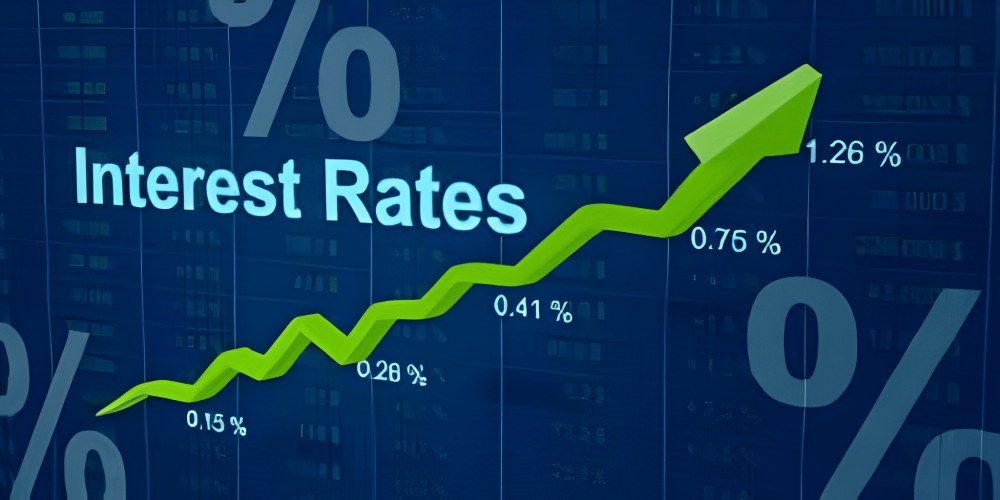
When it comes to growing your money safely, savings accounts have long been the go-to option for millions of people worldwide. Whether you’re setting aside money for an emergency, a dream vacation, or simply for peace of mind, the interest rates in savings accounts play a crucial role in how quickly your money can grow over time.
In this in-depth guide, we will explore everything you need to know about interest rates in savings accounts — how they work, what affects them, how to compare them, and practical strategies to ensure your savings earn as much interest as possible.
What Are Interest Rates in Savings Accounts?
At its core, an interest rate is the percentage that a bank or financial institution pays you for keeping your money deposited with them. It’s essentially a reward for allowing the bank to use your money to lend to others or invest. In return, you get paid a certain percentage annually, commonly known as the annual percentage yield (APY).
For example, if you deposit $10,000 into a savings account with an annual interest rate of 4%, you would earn about $400 in interest in one year (assuming simple interest and no withdrawals).
Interest rates can be:
- Fixed: Remain the same for a certain period.
- Variable: Change depending on market conditions, central bank policies, or the bank’s internal decisions.
Why Are Interest Rates Important for Savings?
Interest rates are vital because they directly affect how fast your savings grow. A higher rate means your money earns more. Over long periods, even a slight difference in rates can significantly impact your total savings due to compound interest — earning interest on both your deposits and the interest already earned.
How Banks Determine Savings Interest Rates
Many factors influence the rates banks offer on savings accounts. Here are the main ones:
1. Central Bank Policies
Every country’s central bank (like the Federal Reserve in the US, RBI in India, or ECB in Europe) sets key interest rates that influence the overall economy. When central banks raise rates to control inflation, commercial banks often follow by increasing deposit and loan rates.
2. Market Competition
Banks compete to attract more customers. If one bank raises its savings rates, competitors may do the same to avoid losing depositors.
3. Economic Conditions
In times of economic uncertainty, banks may lower savings rates to protect profits. During booms, they might increase rates to attract more funds.
4. Bank’s Internal Strategy
Some banks offer higher rates to build a larger customer base, especially online-only banks with lower overhead costs.
Types of Savings Accounts and Their Interest Rates
Not all savings accounts are created equal. Here are common types and what you can typically expect:
1. Traditional Savings Accounts
Offered by most brick-and-mortar banks, these accounts usually offer lower interest rates — sometimes below inflation — but provide high liquidity and easy access.
2. High-Yield Savings Accounts
These accounts, often available from online banks, offer significantly higher rates than traditional accounts. They are popular for emergency funds and short-term savings goals.
3. Certificates of Deposit (CDs)
While not technically savings accounts, CDs lock your money for a fixed term (like 6 months or 5 years) in exchange for higher interest rates. Early withdrawal usually incurs a penalty.
4. Money Market Accounts
These accounts offer slightly higher interest rates than regular savings and often come with check-writing privileges. They may require a higher minimum balance.
How to Compare Interest Rates in Savings Accounts
Choosing the right account involves comparing rates and other features. Here’s how to do it smartly:
1. Check the APY
Always compare the annual percentage yield (APY), which reflects both the interest rate and the effect of compounding. This gives you a true idea of annual earnings.
2. Understand Compounding Frequency
Interest can be compounded daily, monthly, quarterly, or annually. More frequent compounding means more earnings.
3. Look for Introductory Rates
Some banks offer high promotional rates for a few months, which then drop. Be clear on the long-term rate.
4. Check Minimum Balance Requirements
Some high-interest accounts require maintaining a certain minimum balance. Failing to do so might reduce your rate or incur fees.
5. Consider Fees
Monthly maintenance fees can eat into your earnings. Choose accounts with no or low fees to maximize returns.
How to Maximize Interest Earnings in Savings Accounts
Now that you know how savings interest works, here are practical ways to boost what you earn:
1. Shop Around Regularly
Don’t just stick with your first bank. Compare rates from online banks, credit unions, and local banks. Many online banks offer better rates due to lower costs.
2. Consider Multiple Accounts
You can split your money between accounts — for example, keeping a portion in a high-yield online savings account and the rest in an easily accessible account for emergencies.
3. Automate Your Savings
Set up automatic transfers from your checking account to your savings. The more consistent your deposits, the more you benefit from compounding.
4. Watch for Rate Changes
Banks can change rates anytime. Keep an eye on your account and switch if a better option appears.
5. Avoid Frequent Withdrawals
Some savings accounts limit the number of free withdrawals per month. Frequent withdrawals might lead to penalties or lower interest rates.
Interest Rates in Savings vs. Inflation
One of the biggest concerns savers face is inflation — the rise in prices over time. If your savings account earns 2% but inflation is 4%, your money effectively loses value.
To beat inflation:
- Choose high-yield accounts.
- Consider other low-risk options like CDs or short-term bonds.
- For long-term goals, think about investing in assets with higher potential returns (like mutual funds or stocks), although these come with risks.
Global Trends in Savings Interest Rates
Interest rates vary widely across countries and even within regions:
- Developed Countries: In the US, UK, and EU, rates have generally been low for years due to monetary policies aimed at stimulating growth.
- Emerging Economies: Countries with higher inflation often offer higher nominal savings rates to attract deposits.
- Post-COVID Trends: Many central banks raised rates in 2022–2024 to curb inflation, pushing savings rates slightly higher in many regions.
Always consider the economic climate when choosing where to save.
Common Misconceptions About Savings Interest Rates
1. Higher Rates Always Mean Better Accounts
Not necessarily. A high rate might come with restrictions, fees, or limited access to funds.
2. Interest Is the Only Factor
Security, accessibility, and customer service also matter. Sometimes, peace of mind is worth a slightly lower rate.
3. Savings Accounts Are for Long-Term Growth
While good for safety and liquidity, savings accounts aren’t ideal for long-term wealth building due to inflation. Consider pairing savings with investments for better long-term returns.
Future Outlook for Savings Interest Rates
Predicting future rates is tricky, but they generally follow economic trends. Here are a few things to watch:
- Central Bank Decisions: Interest rates often rise when inflation is high and fall during recessions.
- Technology and Competition: Online banks and fintech firms may keep pushing rates higher to attract customers.
- Global Uncertainty: Events like pandemics or geopolitical tensions can influence rates unpredictably.
Being informed helps you react wisely to changes.
Final Thoughts
Interest rates in savings accounts may seem like just a number, but they have a significant impact on your financial health. By understanding how they work, keeping an eye on the market, and actively managing your savings, you can ensure your money works as hard as possible for you.
Remember: savings accounts are a tool, not the end goal. Use them wisely alongside other financial products to build a secure and prosperous future.
FAQs About Interest Rates in Savings
1. What is a good interest rate for a savings account?
A “good” rate depends on your country and the economic climate. In the US or Europe, a rate above 3% APY is generally competitive today. Always compare rates from multiple banks to find the best deal.
2. How often do savings account interest rates change?
It depends. Some banks update rates monthly, quarterly, or whenever the central bank changes key rates. Variable rates can change frequently, while fixed rates (like those in CDs) stay the same for the term.
3. Do online banks really offer better interest rates?
Yes, often they do. With lower operating costs, online-only banks pass savings to customers through higher rates. However, always check for fees, minimum balances, and customer service quality.
4. Can I lose money in a savings account?
Savings accounts at reputable, insured banks (like FDIC in the US) are very safe. However, if your interest rate is lower than inflation, your money may lose purchasing power, even though the balance stays the same.
5. How can I switch to a better savings account?
First, research and open a new account. Then transfer your funds, update any automatic deposits, and close your old account if you no longer need it. Many banks make this process easy online.




















Leave A Comment
0 Comment