
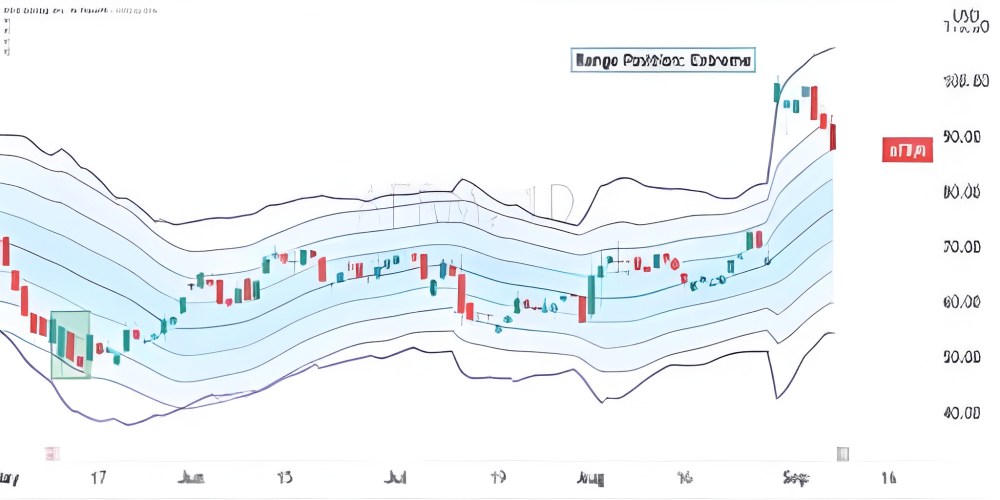
The rise of the buy-now-pay-later (BNPL) industry has brought several fintech companies into the spotlight, and one name that repeatedly stands out is AFRM stock, the publicly traded equity of Affirm Holdings. As consumer spending behavior shifts and more shoppers prefer flexible payment options, interest in Affirm as an investment has grown significantly. Whether you are a long-term investor, a short-term trader, or someone simply curious about how this stock performs, understanding the fundamentals behind AFRM stock is essential.
This comprehensive guide provides a deep dive into the company, its business model, financial performance, risks, opportunities, and long-term prospects. By the end of this detailed analysis, you will gain a clear understanding of what drives AFRM stock and how it fits into the modern financial landscape.
Understanding Affirm and Its Business Model
Affirm Holdings is a financial technology company that offers consumers a modern way to pay for purchases over time. Instead of traditional credit cards, Affirm provides point-of-sale financing. Customers can buy products immediately and pay for them in fixed installments. This model has surged in popularity among younger consumers who prefer clear, interest-free options instead of revolving credit.
The core product Affirm offers is simple. When buying something online or in-store, consumers can choose Affirm as a payment option. They can split the purchase into multiple installments, sometimes with zero interest. Affirm then pays the merchant immediately, and customers repay Affirm over time.
Because of this unique approach, AFRM stock has attracted major attention from investors. They view the company as a pioneer in a growing industry, and many believe the company could transform the future of consumer finance.
Why AFRM Stock Gained Massive Popularity
Several key factors have contributed to the popularity and volatility of AFRM stock. The first is the rapid growth of the BNPL market. As e-commerce continues to expand, more consumers seek flexible payment options. Affirm sits at the intersection of online shopping and financial technology, making it attractive for growth-focused investors.
Another major driver was Affirm’s partnerships with top merchants. The company has been associated with brands like Amazon, Shopify, Walmart, Expedia, and Peloton. These partnerships gave AFRM stock strong credibility and visibility. Investors saw Affirm as a company with enormous potential reach.
Additionally, the company went public during a time when fintech stocks were booming. This timing helped AFRM stock gain strong initial momentum, even though the company is still unprofitable. Growth investors were attracted to the business model, the brand visibility, and the promise of future profitability.
The Importance of Merchant Partnerships
One of the biggest strengths Affirm has is its merchant network. To understand how AFRM stock behaves, it is helpful to look at the importance of its partnerships. Merchants use Affirm to increase their sales. Consumers who cannot pay the full price upfront often complete the purchase when they see installment options. This not only benefits merchants but also strengthens Affirm’s revenue.
Some partnerships involve exclusive or deep integrations. For example, the link between Affirm and Amazon significantly boosted the public interest in AFRM stock. Amazon’s vast customer base means that Affirm can reach millions of users instantly. The more transactions that go through Affirm, the more interest income and merchant fees the company earns.
Similarly, Affirm’s relationship with Shopify allowed thousands of online businesses to offer BNPL at checkout. These partnerships form the backbone of Affirm’s business model. If Affirm continues to build these relationships, AFRM stock may gain long-term strength.
How Affirm Makes Money
Understanding the revenue model is crucial before investing in AFRM stock. Affirm generates money through three main streams:
- Merchant Fees
When customers choose Affirm at checkout, the merchant pays a fee to Affirm. This fee helps cover the cost of financing and adds to the company’s revenue. - Interest Income
For some loans, Affirm charges interest. Even though many loans are interest-free, the interest-bearing ones help balance the company’s financial performance. - Virtual Card Network and Other Services
Affirm also issues a virtual card for one-time purchases. The company earns interchange fees from these transactions.
The overall goal is to offer a transparent loan product that consumers trust. The revenue model supports this while helping to expand the company’s footprint.
AFRM Stock Volatility and Market Sentiment
One thing every investor should be aware of is the volatility associated with AFRM stock. The stock has experienced wide price swings, sometimes driven by economic trends and sometimes by internal financial performance. Because Affirm is still a growth company, its valuation is often based on future expectations rather than present profits.
When interest rates rise, investors often pull back from growth stocks because borrowing becomes expensive. This affects AFRM stock directly because the BNPL model relies on the ability to borrow money cheaply. Higher financing costs mean lower margins for Affirm.
At other times, strong quarterly results or new partnerships can boost the stock significantly. Market sentiment plays a major role in the movement of AFRM stock, making it more suitable for investors who understand and accept volatility.
Financial Performance and Growth Potential
Affirm has demonstrated strong revenue growth over the years. The company continues to scale transactions across multiple industries, including electronics, travel, fitness, fashion, and more. This diversification reduces dependence on any single sector and strengthens the long-term outlook for AFRM stock.
Even though revenue is growing, Affirm is still not consistently profitable. Most of its earnings go toward expansion, marketing, and technology upgrades. Investors who buy AFRM stock often do so based on confidence in future profitability rather than current financial results.
Analysts who are optimistic point to the long-term potential of the BNPL market. They believe Affirm is well positioned to capture a large share of this industry as more consumers and merchants adopt BNPL services.
Competitive Landscape: How Affirm Stands Out
Before investing in AFRM stock, it is important to understand Affirm’s competition. The BNPL space includes companies like Afterpay, Klarna, and PayPal’s “Pay in 4” service. These companies also offer similar installment options.
However, Affirm differentiates itself in several ways. The company uses a more sophisticated underwriting system that evaluates a consumer’s ability to repay before approving loans. Affirm does not charge late fees, which many consumers appreciate. Its product emphasizes transparency, which strengthens customer trust.
Affirm's marketing also focuses heavily on responsible financing. Investors see these differences as key strengths, and they contribute to long-term interest in AFRM stock.
Risks to Consider Before Investing in AFRM Stock
Like any investment, AFRM stock carries risks. The first is economic sensitivity. BNPL services grow when consumer spending grows. During economic downturns, consumer behavior shifts, leading to reduced transaction volumes.
Another risk is regulatory pressure. Governments around the world have begun examining BNPL services to ensure they do not encourage irresponsible borrowing. Any heavy regulation could impact Affirm’s business model and affect AFRM stock.
Competition is also a major concern. Larger companies with access to more capital can enter the BNPL market easily. If Affirm fails to innovate, it may lose market share.
Finally, Affirm’s profitability remains uncertain. The company has shown improvement but is still not consistently generating positive net income. Investors in AFRM stock must be willing to wait for Affirm to become profitable.
Long-Term Outlook of AFRM Stock
Despite risks, many investors maintain a positive long-term view of AFRM stock. The rise of digital payments continues, and consumer preferences are shifting toward flexible financing. Affirm benefits from this trend.
If Affirm becomes profitable and continues expanding its merchant partnerships, AFRM stock may see significant long-term growth. The stock may not be suitable for extremely conservative investors, but growth-focused investors may find it appealing.
The company is deeply integrated into e-commerce, which continues to dominate retail. As long as Affirm maintains its position in the BNPL landscape, the long-term outlook remains promising.
Should You Invest in AFRM Stock?
The decision ultimately depends on your risk tolerance and investment goals. AFRM stock fits well into a growth-focused portfolio but may not be ideal for investors seeking stable returns.
Investors who believe in the future of BNPL and digital payment technologies may view AFRM stock as a strong opportunity. However, those who prefer predictable, stable companies should approach this investment more cautiously.
Before investing, consider evaluating the company’s financial reports, industry trends, and your personal financial goals.
Frequently Asked Questions (FAQs)
1. What is AFRM stock?
AFRM stock represents the publicly traded shares of Affirm Holdings, a fintech company offering buy-now-pay-later financing solutions. Investors buy AFRM stock to gain exposure to the company’s growth potential in the digital payments industry.
2. Is AFRM stock a good investment?
AFRM stock can be a good investment for growth-focused investors who believe in the future of BNPL services. However, it is volatile and carries risks such as competition, regulation, and profitability challenges.
3. Why is AFRM stock so volatile?
AFRM stock is sensitive to economic trends, interest rates, consumer behavior, and company financial performance. Since Affirm is still a growth company, its valuation relies on future expectations, leading to large price swings.
4. How does Affirm make money?
Affirm earns revenue from merchant fees, interest income on some loans, and interchange fees from its virtual card. Its diverse revenue model helps support the growth of AFRM stock.
5. What affects the price of AFRM stock the most?
Partnership announcements, earnings reports, regulatory developments, and market sentiment have the greatest impact on AFRM stock.
6. Does Affirm charge customers late fees?
No, Affirm does not charge late fees. This transparency helps build customer trust and enhances the brand reputation, indirectly benefiting AFRM stock.
7. Is Affirm profitable?
As of now, Affirm is not consistently profitable. Investors buy AFRM stock based on expectations of future growth rather than current profits.
8. What industry does AFRM stock belong to?
AFRM stock is part of the financial technology sector, specifically the buy-now-pay-later segment, which connects e-commerce and consumer finance.
9. Can AFRM stock grow in the long run?
Yes, AFRM stock has long-term growth potential if the company manages risks, expands partnerships, and moves toward profitability.





















Leave A Comment
0 Comment