
Owning a bike brings a sense of freedom and convenience, but ensuring it is protected with good bike insurance is essential. Whether you own a sports bike, commuter motorcycle, or touring bike, having the right insurance coverage can safeguard you from financial losses due to accidents, theft, or third-party liabilities.
In this detailed guide, we will cover everything you need to know about good bike insurance, from its importance, types, factors affecting premiums, how to choose the best policy, and frequently asked questions.
Importance of Bike Insurance
Bike insurance is not just a legal necessity; it provides financial protection in various scenarios:
- Covers accidental damage: Repairs after a collision can be costly, and insurance helps cover the expenses.
- Protection against theft: In case your bike is stolen, insurance ensures you get compensation.
- Third-party liability: If your bike causes damage to another vehicle or injures a person, insurance covers the expenses.
- Natural and man-made disasters: Insurance policies often cover damages due to floods, earthquakes, vandalism, and fire.
- Medical expenses: Some policies offer coverage for medical expenses resulting from accidents.
Types of Bike Insurance
There are primarily two types of bike insurance:
1. Third-Party Bike Insurance
This is the most basic and legally required form of bike insurance. It covers damages and injuries caused to a third party but does not cover any damage to your own bike.
2. Comprehensive Bike Insurance
This policy covers both third-party liabilities and damages to your own bike. It also includes protection against theft, fire, and natural calamities.
3. Own-Damage Bike Insurance
Introduced by the Insurance Regulatory and Development Authority of India (IRDAI), this policy allows bike owners to purchase standalone own-damage insurance apart from third-party insurance.
Factors Affecting Bike Insurance Premiums
The cost of bike insurance varies based on multiple factors:
- Bike Model and Make: Expensive and high-end models have higher premiums.
- Engine Capacity: Bikes with larger engine displacement cost more to insure.
- Age of the Bike: Older bikes may have lower premiums due to depreciation.
- City of Registration: Urban areas with higher theft rates have costlier premiums.
- Claim History: If you have a record of filing claims frequently, your premium might increase.
- Add-ons: Opting for additional covers like zero depreciation or roadside assistance increases premiums.
How to Choose the Best Bike Insurance
Selecting the right insurance policy can be tricky, but keeping the following points in mind can help:
- Coverage: Opt for comprehensive coverage for better protection.
- Add-ons: Consider add-ons like engine protection, roadside assistance, and personal accident cover.
- Insurer Reputation: Choose an insurer with a good claim settlement ratio.
- Premium Cost: Compare different plans to get the best coverage at an affordable premium.
- Claim Process: Look for an insurer with a hassle-free claim process and quick settlements.
- Customer Support: Ensure the insurance company has a responsive customer support system.
Add-ons to Consider in Bike Insurance
Some popular add-ons can enhance your policy coverage:
- Zero Depreciation Cover: Ensures full claim amount without considering depreciation.
- Roadside Assistance: Provides help in case of a breakdown.
- Engine Protection Cover: Covers damages due to oil leaks or water ingress.
- Consumables Cover: Includes expenses for engine oil, brake oil, nuts, and bolts.
- Return to Invoice Cover: If the bike is stolen or completely damaged, this cover helps get the full invoice value.
How to Buy Bike Insurance Online
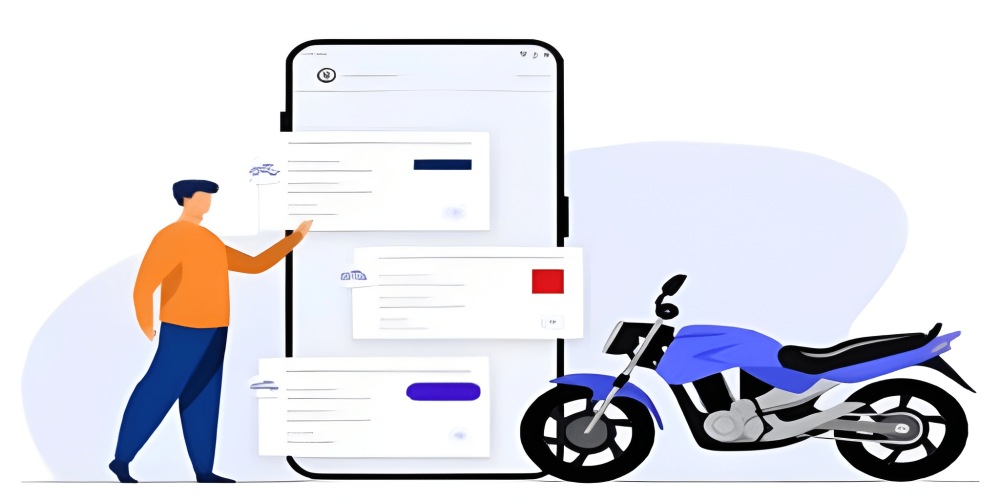
Buying bike insurance online is a simple and quick process:
- Visit an Insurance Website: Go to a trusted insurer’s site.
- Enter Bike Details: Provide details like bike model, registration number, and engine capacity.
- Choose Coverage: Select third-party or comprehensive coverage.
- Select Add-ons: Pick additional covers based on your needs.
- Compare Premiums: Check different insurers and their premium rates.
- Make Payment: Pay online and receive an instant policy.
Common Bike Insurance Exclusions
Bike insurance policies do not cover everything. Here are some common exclusions:
- Normal Wear and Tear: Gradual wear and tear are not covered.
- Drunk Riding: Accidents caused due to intoxication are not covered.
- Riding Without a License: If the rider doesn’t have a valid license, insurance won’t be valid.
- Mechanical or Electrical Failure: Regular failures are not included.
- Illegal Use: Racing or using the bike for unlawful activities voids the insurance.
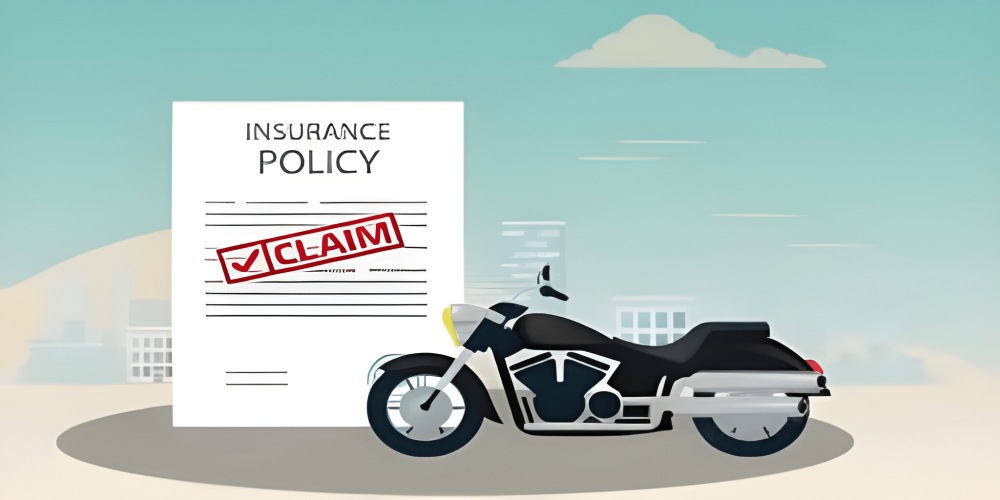
How to Claim Bike Insurance
Filing a claim involves the following steps:
- Inform the Insurer: Immediately report the incident to the insurer.
- Lodge an FIR: In case of theft or third-party damage, file an FIR.
- Document the Damage: Take pictures of the damage as proof.
- Submit Claim Form: Fill out the claim form with required documents.
- Inspection and Approval: The insurer will inspect and approve the claim.
- Repair and Settlement: Once approved, repairs will be done, and compensation will be provided.
FAQs on Good Bike Insurance
1. What is the best bike insurance policy?
The best policy depends on your needs. A comprehensive policy with necessary add-ons is generally recommended.
2. How can I lower my bike insurance premium?
Opt for a higher voluntary deductible, maintain a good riding record, and avoid unnecessary claims.
3. Is third-party insurance enough for my bike?
Third-party insurance is legally required, but comprehensive insurance provides better protection.
4. What happens if my insurance expires?
You won’t have coverage, and renewing after expiration may result in higher premiums.
5. Can I transfer my bike insurance when selling my bike?
Yes, insurance can be transferred to the new owner.
6. What is No Claim Bonus (NCB)?
NCB is a discount given on premium for not making any claims in the previous year.
7. Does bike insurance cover passengers?
Some policies include personal accident cover for pillion riders, but it varies.
8. How do I check if my bike is insured?
You can check your policy details on the insurance company’s website or the government’s VAHAN portal.
9. Can I buy bike insurance without visiting an office?
Yes, you can buy and renew insurance online within minutes.
10. How long does it take to process a claim?
It depends on the insurer, but cashless claims in network garages are processed faster.
Conclusion
A good bike insurance policy ensures peace of mind while riding. It provides financial security against accidents, theft, and damages. Choosing the right policy involves evaluating coverage, premiums, add-ons, and claim settlement efficiency. Always compare multiple insurers before making a decision. By understanding the benefits and limitations of bike insurance, you can make an informed choice and ensure maximum protection for your bike.








Leave A Comment
0 Comment