
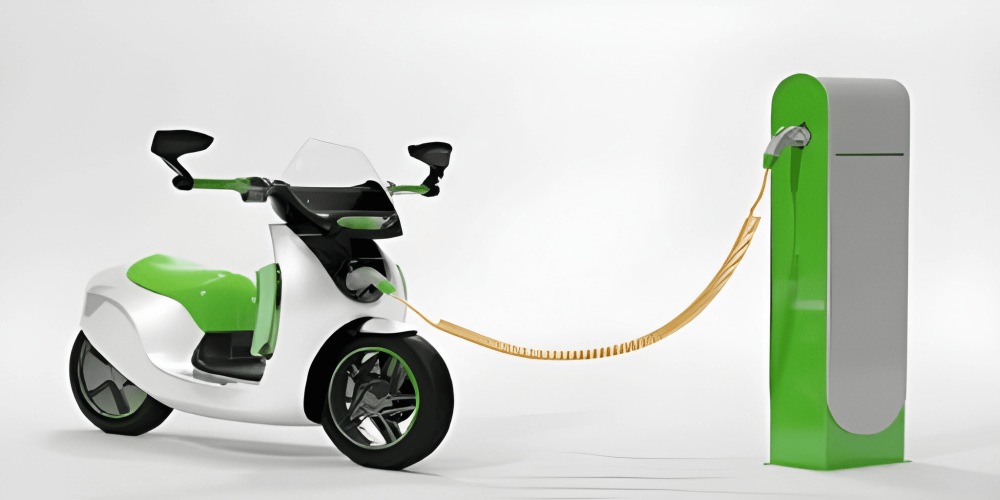
Electric bikes (e-bikes) have become one of the most popular transportation modes for urban commuters, fitness enthusiasts, and eco-conscious travelers. With their increasing popularity comes the need for proper protection—enter electric bike insurance. Whether you’re riding a high-end e-bike to work or using it for weekend adventures, having the right insurance can save you from unexpected expenses and legal hassles.
In this comprehensive guide, we’ll explore what electric bike insurance is, why it’s important, how much it costs, what it covers, and how to choose the best policy for your needs.
What is Electric Bike Insurance?
Electric bike insurance is a type of coverage specifically designed to protect e-bike riders from risks like theft, damage, personal injury, and third-party liability. Unlike traditional bicycles, e-bikes often include motors, batteries, and higher values, making them more vulnerable to theft and accidents.
Depending on where you live, insurance for your electric bike may be optional or mandatory. Policies can be standalone or added as endorsements to your existing homeowners, renters, or auto insurance.
Why Do You Need Electric Bike Insurance?
While not always required by law, e-bike insurance offers a wide range of benefits:
1. Protection Against Theft
Electric bikes are valuable and often targeted by thieves. Insurance can reimburse you for the full or partial value of a stolen e-bike.
2. Coverage for Accidents and Damage
Accidents can happen anytime, whether it’s a solo crash or a collision with a vehicle. Insurance helps pay for repairs or replacement.
3. Liability Coverage
If you accidentally injure someone or damage someone’s property while riding, liability coverage can protect you from legal and financial repercussions.
4. Personal Injury Protection
Some policies include coverage for medical expenses in case you’re injured while riding.
5. Peace of Mind
Knowing that you’re protected from unexpected events lets you enjoy your rides stress-free.
Types of Electric Bikes and How They Affect Insurance
There are different classes of electric bikes, and the type you ride can influence your insurance needs:
- Class 1: Pedal-assist e-bikes that stop assisting at 20 mph.
- Class 2: Throttle-assisted bikes also capped at 20 mph.
- Class 3: Pedal-assist up to 28 mph—may require more coverage or even licensing in some jurisdictions.
More powerful or faster e-bikes may be treated like mopeds or motorcycles and thus require specialized insurance.
What Does Electric Bike Insurance Cover?
Here’s what’s typically included in an e-bike insurance policy:
1. Theft and Vandalism
Covers the replacement or repair costs if your e-bike is stolen or intentionally damaged.
2. Collision Damage
Helps cover costs from accidents with vehicles, pedestrians, or other obstacles.
3. Liability Protection
If you're found legally responsible for injuries or damage to others, liability coverage helps with legal fees and settlements.
4. Medical Payments
Pays for your own medical expenses following an accident, regardless of fault.
5. Uninsured/Underinsured Motorist
If a motorist hits you and they don’t have enough coverage, this add-on can fill the gap.
6. Roadside Assistance
Some policies offer towing or roadside help if your e-bike breaks down.
7. Travel Coverage
If you take your e-bike on a trip, especially internationally, extended coverage may protect it while away from home.
What Isn’t Covered?
Just like any insurance policy, electric bike coverage has exclusions:
- Wear and tear or mechanical breakdowns
- Intentional damage
- Racing or stunting incidents
- Usage outside the scope of personal/recreational use (e.g., commercial deliveries, unless specifically stated)
Always read the fine print of your policy to understand the limitations.
How Much Does Electric Bike Insurance Cost?
Electric bike insurance can range from $100 to $400 annually, depending on several factors:
1. Bike Value
The more expensive your bike, the higher the premium.
2. Location
Urban areas with high theft rates tend to have more expensive premiums.
3. Coverage Amount
Higher coverage limits and additional features like worldwide coverage or roadside assistance will raise the cost.
4. Rider History
Your personal insurance record and any previous claims can affect pricing.
5. Usage
How often and where you ride your bike (e.g., commuting vs. occasional recreation) can influence risk and cost.
How to Choose the Best Electric Bike Insurance
Here’s how to pick the right policy:
1. Assess Your Needs
Are you mainly worried about theft, or do you ride in high-traffic areas where collisions are possible? Choose coverage that aligns with your risks.
2. Compare Providers
Shop around and compare quotes from different insurance companies. Look at coverage options, customer reviews, and claims processes.
3. Check Policy Exclusions
Understand what’s not covered so there are no surprises when filing a claim.
4. Bundle Options
Some insurers offer discounts if you bundle your e-bike policy with homeowners or renters insurance.
5. Choose the Right Deductible
A higher deductible lowers your premium but increases your out-of-pocket costs during a claim.
Top Insurance Providers for Electric Bikes
While availability varies by region, some insurers known for e-bike coverage include:
- Velosurance: Specializes in bike insurance, offering tailored coverage for electric bikes.
- Markel Insurance: Known for customizable e-bike plans.
- Spoke Insurance: Offers competitive pricing and simple claim handling.
- Progressive: Offers e-bike insurance under their motorcycle category in some states.
- Lemonade: Home and renters insurance that may cover e-bikes as personal property.
Is Electric Bike Insurance Required by Law?
In most places, electric bike insurance is not legally required—especially for Class 1 and Class 2 e-bikes. However, Class 3 e-bikes, which are faster and more powerful, may be subject to more regulation and could require:
- Mandatory insurance
- Registration
- Licensing
Always check your local laws to ensure compliance.
Tips to Lower Your Electric Bike Insurance Premium
- Store Securely: Lock your bike in secure locations or garages.
- Use GPS Trackers: Some insurers give discounts if your e-bike is equipped with a tracker.
- Install Anti-Theft Devices: Alarm systems or smart locks may reduce risk.
- Take a Safety Course: Just like for motorcycles, safety training can sometimes reduce your premium.
- Bundle Policies: Combine with home or renters insurance for a discount.
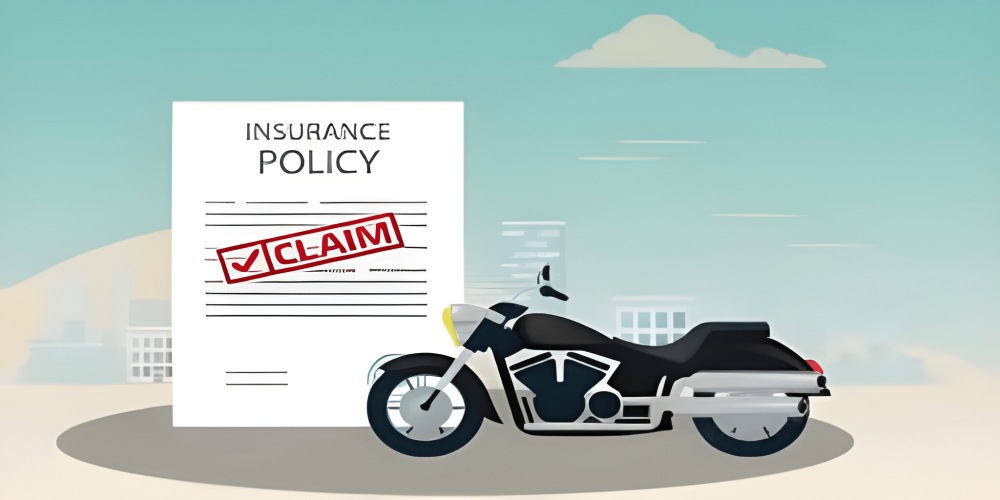
Claims Process: What to Expect
If you need to file a claim:
- Document the Incident: Take photos, gather police reports, and keep receipts.
- Contact Your Insurer: Provide all necessary details quickly.
- Submit a Claim Form: Online or in-person.
- Inspection & Review: Your insurer may assess the damage or ask for further documentation.
- Receive Compensation: Depending on your policy, you’ll receive reimbursement, a replacement, or repair services.
Future of E-Bike Insurance
As the electric bike industry grows, expect to see:
- More insurers entering the market
- Tailored plans for delivery riders and gig workers
- Integration with smart devices for dynamic risk assessment
- Pay-as-you-ride models
Frequently Asked Questions (FAQs)
Q1: Is my e-bike covered under my homeowners insurance?
Some homeowners or renters insurance policies may cover e-bikes under personal property, but this coverage is often limited and doesn’t include liability or accidents. Check with your provider.
Q2: What happens if my e-bike gets stolen?
If you have theft coverage under your e-bike insurance policy, you can file a claim and be reimbursed for the bike’s value, minus any deductible.
Q3: Do I need insurance if I only ride occasionally?
Yes, even occasional riders face risks. Theft and accidents can happen anytime, regardless of frequency of use.
Q4: Can I get insurance for a secondhand electric bike?
Yes, most insurers will cover used e-bikes as long as you can prove ownership and the bike is in good condition. You may need to get it appraised.
Q5: Are modifications to my e-bike covered?
Modifications might not be covered unless declared when purchasing your policy. Always inform your insurer about changes to avoid denied claims.
Q6: Does my auto insurance cover e-bike accidents?
Usually not. Auto insurance typically doesn’t extend to electric bikes. A separate policy is recommended for full protection.
Q7: Can I insure my e-bike if I use it for deliveries?
Some providers offer commercial e-bike insurance, which covers business use. Regular personal policies usually exclude commercial activity.
Final Thoughts
Electric bike insurance may not be a legal requirement everywhere, but it's certainly a smart investment. Whether you're riding to work, cruising around town, or exploring trails, your e-bike deserves the same protection you'd give a car or motorcycle. With theft, accidents, and rising repair costs becoming more common, a good insurance policy offers peace of mind and financial protection.
Compare options, read the fine print, and choose coverage that suits your lifestyle. Ride safe, ride smart, and protect your ride with electric bike insurance.








Leave A Comment
0 Comment