
Classic cars are more than just vehicles—they are rolling pieces of history. Owning a classic car can be a rewarding hobby, a wise investment, or both. However, protecting a classic car requires a different approach than insuring a standard, everyday vehicle. That’s where classic car insurance comes in. This guide will cover everything you need to know about classic car insurance, from its definition and benefits to how it works, how premiums are calculated, and frequently asked questions.
What is Classic Car Insurance?
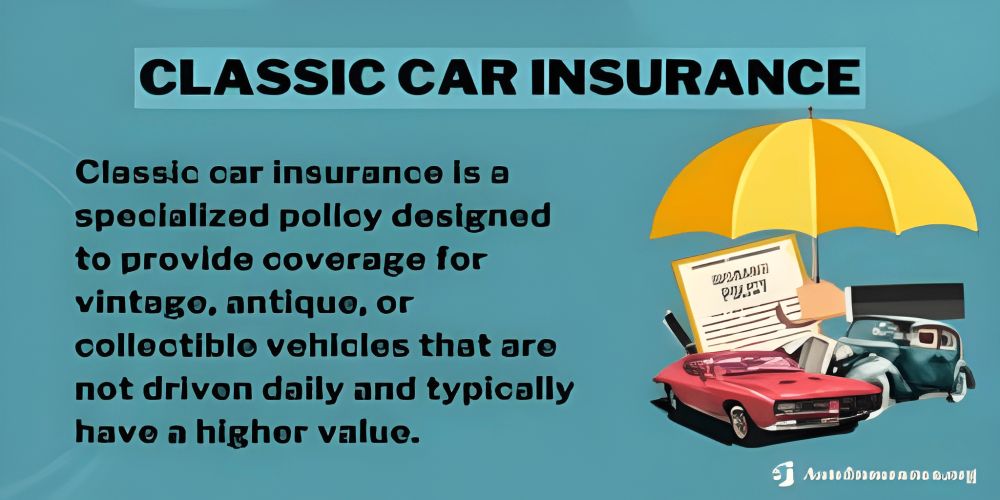
Classic car insurance is a specialized type of vehicle insurance designed for vintage, antique, or collectible cars. Unlike standard car insurance, which typically insures vehicles based on market value and usage, classic car insurance considers the car’s historical significance, rarity, and overall value.
Classic cars are usually defined as vehicles that are at least 20-25 years old, though the exact definition can vary by insurance provider. These vehicles are often well-maintained, stored in controlled environments, and used sparingly, which affects how insurers assess risk.
Why Classic Car Insurance is Different from Standard Auto Insurance
While standard auto insurance covers everyday vehicles that are used for commuting, errands, or business, classic car insurance is tailored for vehicles that:
- Are rare or collectible
- Have higher replacement costs due to parts scarcity
- Are used primarily for leisure, exhibitions, or car shows
- Require specialized restoration and maintenance
Standard insurance policies might undervalue a classic car because they calculate coverage based on current market price, which may not reflect a car's historical or collectible value. Classic car insurance solves this by providing coverage that aligns with the car's actual value.
Types of Classic Car Insurance Coverage
Classic car insurance offers multiple coverage options to protect your investment. Here’s a breakdown:
1. Agreed Value Coverage
This is the most common type of coverage for classic cars. The insurer and the car owner agree on the car's value in advance. In the event of a total loss, the insurer pays this agreed amount, ensuring the owner can replace or restore the vehicle without disputes over market depreciation.
2. Liability Coverage
Just like standard car insurance, classic car policies can include liability coverage. This protects you if your car causes damage to someone else’s property or injures another person. Liability coverage is often mandatory by law, but the limits can vary.
3. Comprehensive Coverage
Comprehensive coverage protects against non-collision incidents such as theft, fire, vandalism, natural disasters, or falling objects. For classic cars, which are often stored in garages or used occasionally, comprehensive coverage is crucial for peace of mind.
4. Collision Coverage
Collision coverage pays for damages to your classic car if it collides with another vehicle or object. Although many classic car owners drive their vehicles sparingly, collision coverage can be added for occasional use or if the car is driven on public roads.
5. Roadside Assistance
Classic car insurance may include roadside assistance options for emergencies such as towing, battery issues, or flat tires. This is especially helpful for vintage cars, which may require specialized towing services.
Benefits of Classic Car Insurance
Investing in classic car insurance offers several advantages:
- Proper Valuation
Classic car insurance ensures your car is insured at its full value, unlike standard insurance policies. - Specialized Coverage
It covers risks unique to classic cars, including theft, restoration costs, and limited usage scenarios. - Flexible Usage Terms
Many insurers allow limited annual mileage, making coverage more affordable for vehicles that are rarely driven. - Restoration Coverage
Policies often cover restoration or spare parts, which are usually expensive or hard to find for vintage models. - Peace of Mind
Knowing your investment is protected against theft, fire, or accident damage allows you to enjoy your classic car worry-free.
Factors Affecting Classic Car Insurance Premiums
Premiums for classic car insurance are calculated differently than for regular vehicles. Insurers consider several factors:
- Car’s Age and Make
Older or rarer models generally have higher premiums because replacement parts may be scarce. - Car’s Value
Policies are often based on agreed value rather than market value, so high-value cars naturally have higher premiums. - Usage
The more you drive your classic car, the higher the risk of accidents, and the higher the premium. Many policies offer lower rates for cars driven only a few thousand miles annually. - Storage
Vehicles stored in secure garages or climate-controlled environments are less likely to be damaged, which can lower premiums. - Restoration and Maintenance
Well-maintained cars with complete documentation can attract lower premiums. Some insurers even consider the quality of restoration when calculating risk. - Driver Experience
Experienced drivers or members of classic car clubs may receive discounts due to proven safe driving habits.
How to Choose the Right Classic Car Insurance
Choosing the right classic car insurance involves several steps:
- Assess the Car’s Value
Have your classic car professionally appraised to determine its true market value and ensure adequate coverage. - Compare Providers
Not all insurers specialize in classic cars. Look for providers that offer dedicated classic car policies. - Understand Coverage Options
Check whether the policy includes agreed value, roadside assistance, restoration coverage, and limited mileage options. - Check Policy Limits
Ensure liability limits are sufficient to cover potential damages to others while also protecting your car fully. - Ask About Discounts
Discounts may be available for club membership, multiple classic cars, or secure storage facilities. - Review Policy Terms Carefully
Understand exclusions, claim procedures, and conditions for restoring or replacing your car in case of loss.
Common Misconceptions About Classic Car Insurance
There are several misconceptions surrounding classic car insurance:
Misconception 1: Classic Cars Are Automatically Expensive to Insure
While some classic cars are high-value, premiums often reflect limited usage and secure storage, which can make insurance more affordable than expected.
Misconception 2: Standard Auto Insurance Covers Vintage Cars Adequately
Standard insurance may undervalue your car and exclude risks specific to classic vehicles, such as rare parts replacement or limited-use policies.
Misconception 3: You Must Drive Your Classic Car Daily to Justify Insurance
Classic car insurance is designed for vehicles that are used sparingly, such as for shows, leisure drives, or occasional events.
Misconception 4: Only Extremely Rare Cars Qualify
Many classic car insurance providers cover vehicles 20-25 years or older, regardless of rarity, as long as they are well-maintained and preserved.
Tips for Maintaining Your Classic Car for Insurance Purposes
Insurance providers often expect certain standards of care for classic vehicles. Here are tips to maintain your car and potentially reduce premiums:
- Secure Storage
Keep your car in a locked garage or climate-controlled environment to prevent damage from weather or theft. - Regular Maintenance
Schedule regular inspections and service appointments to ensure your car stays in top condition. - Keep Documentation
Maintain detailed records of repairs, restoration work, and original documentation. This helps in claims and valuations. - Use Quality Parts
When restoring or repairing, use original or high-quality parts to maintain the car’s value. - Limit Usage
Drive only when necessary and avoid heavy traffic or high-risk areas, which can lower accident risk and premiums.
How to File a Classic Car Insurance Claim
Filing a claim for a classic car can differ from standard vehicles due to the car’s unique value. Follow these steps:
- Document the Damage
Take detailed photos and videos of any damage immediately after the incident. - Notify the Insurer
Contact your insurance provider as soon as possible, providing all documentation. - Provide Valuation Records
Submit appraisals, restoration invoices, and maintenance records to prove the car’s value. - Work with Specialized Assessors
Classic car insurers often use assessors familiar with vintage vehicles to determine repair costs accurately. - Repair or Replacement
Based on your agreed value coverage, the insurer will pay for repairs or replacement according to the terms of your policy.
Classic Car Insurance vs. Collector Car Insurance
The terms classic car insurance and collector car insurance are sometimes used interchangeably, but there are distinctions:
- Classic Car Insurance: Covers vehicles generally 20–25 years old that have collectible or vintage status.
- Collector Car Insurance: May cover a broader range of collectible vehicles, including cars, motorcycles, or specialty vehicles, often valued for rarity rather than age.
Benefits of Joining Classic Car Clubs for Insurance
Membership in a classic car club can provide benefits beyond social networking:
- Insurance Discounts
Many insurers offer lower premiums for club members due to verified safe driving habits and knowledge of car care. - Access to Specialists
Clubs often connect members with trusted appraisers, restoration experts, and repair shops. - Event Participation
Being part of a club may provide access to shows, exhibitions, and rallies that can be insured under specialized coverage.
Cost of Classic Car Insurance
The cost of classic car insurance depends on several factors:
- Car Value: High-value cars attract higher premiums.
- Usage: Limited mileage cars cost less to insure.
- Coverage Type: Agreed value coverage may cost more but ensures full protection.
- Storage and Security: Secure garages and anti-theft devices can reduce costs.
- Driver History: A clean driving record can lower premiums.
As a general estimate, classic car insurance premiums can range from $200 to $2,000 annually, depending on these variables.
FAQs About Classic Car Insurance
1. What qualifies as a classic car?
Typically, a vehicle 20–25 years or older can be considered a classic car. However, insurers also consider the car’s rarity, historical significance, and condition.
2. Can I drive my classic car daily?
Most classic car insurance policies are designed for limited use, such as leisure drives, car shows, or exhibitions. Driving daily may require a hybrid policy or standard insurance.
3. Is classic car insurance expensive?
Not necessarily. Premiums reflect limited usage and secure storage, and classic car owners often pay less than standard insurance for the same vehicle value.
4. Does classic car insurance cover restoration costs?
Yes, many policies cover restoration or replacement parts. Always check your policy terms for specifics.
5. How is the value of a classic car determined?
Insurers may use professional appraisals, historical data, and market trends. Agreed value coverage ensures that the car’s value is set in advance.
6. Are there mileage restrictions?
Most classic car insurance policies impose annual mileage limits, often between 3,000 to 7,500 miles per year.
7. Can I insure multiple classic cars under one policy?
Yes, some insurers offer multi-car classic policies with discounts for multiple vehicles.
8. Do I need a special license for a classic car?
No, a standard driver’s license is sufficient, though some insurers may require experienced drivers or club membership.
9. Does insurance cover theft or vandalism?
Yes, comprehensive coverage includes protection against theft, fire, natural disasters, and vandalism.
10. How can I lower my classic car insurance premium?
Secure storage, limited usage, safe driving history, membership in classic car clubs, and proper documentation can reduce premiums.
Conclusion
Classic car insurance is essential for anyone who owns a vintage, antique, or collectible vehicle. Unlike standard car insurance, it accounts for the car’s historical and collectible value, limited usage, and specialized restoration needs. By choosing the right coverage, maintaining your vehicle, and understanding policy terms, you can protect your investment and enjoy the pride and pleasure of owning a classic car without unnecessary risks.
Whether you are a seasoned collector or a first-time classic car owner, investing in a proper insurance plan ensures that your car’s value, history, and legacy are fully protected.



















Leave A Comment
0 Comment