
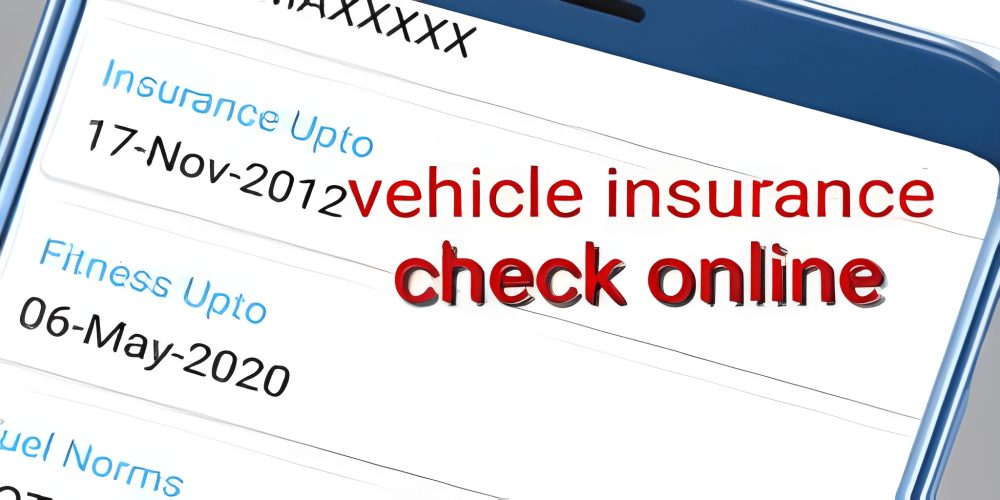
Owning a car is not just about convenience and comfort—it also comes with responsibility. One of the key responsibilities every vehicle owner has is to maintain valid car insurance. Whether you are a new car buyer or a long-time vehicle owner, checking your car insurance regularly is essential. It helps you stay legally compliant, financially protected, and ready for any unforeseen events on the road.
This guide will take you through the step-by-step process of how to check car insurance, why it's important, and what tools and tips you can use to make the process simpler.
Why Checking Car Insurance Is Important
Before jumping into the "how", let’s understand the "why". Checking your car insurance isn't just for when you have a claim or need to renew. It’s a crucial part of being a responsible vehicle owner.
1. Legal Requirement
In most countries, having valid car insurance is mandatory. Driving without it can lead to heavy fines, vehicle seizure, and legal consequences. By checking your insurance status regularly, you ensure that you're always on the right side of the law.
2. Avoid Lapsed Policies
Car insurance policies have specific validity periods. If you forget to renew it, the policy lapses, leaving you exposed to risks. Regularly checking your policy helps you keep track of renewal dates and prevents unintentional gaps in coverage.
3. Claim Readiness
Accidents and mishaps don’t come with a warning. If you're ever in a situation where you need to make a claim, knowing your policy details—such as policy number, insurer contact, and coverage limits—can save time and reduce stress.
4. Better Financial Planning
Knowing your premium amounts, deductibles, and coverage details helps you plan finances better. It also gives you a chance to review and upgrade your policy if needed.
How to Check Car Insurance Status Online
Thanks to digital platforms, checking your car insurance status is now easier than ever. You can use multiple methods to do this, whether you're checking your own insurance or verifying someone else's in the case of an accident or sale.
1. Via the Insurance Provider's Website
Most insurance companies provide online portals where you can log in with your registered mobile number, email ID, or policy number to check the status.
Steps:
- Visit your insurance provider's official website.
- Navigate to the "Policy Details" or "Customer Portal" section.
- Log in using your credentials.
- View and download your car insurance details.
2. Using the VAHAN Portal (India Specific)
The Government of India provides the VAHAN portal which maintains vehicle and insurance records.
Steps:
- Go to the VAHAN website: https://vahan.parivahan.gov.in
- Click on “Know Your Vehicle Details”.
- Enter your car registration number and the captcha code.
- You'll see all details including insurance validity.
3. Through mParivahan App
This is a government-approved app that lets users check vehicle and insurance details.
Steps:
- Download and install the mParivahan app.
- Enter the registration number of the vehicle.
- Access insurance status, RC details, and more.
4. IRDAI's Integrated Grievance Management System (IGMS)
The Insurance Regulatory and Development Authority of India (IRDAI) also offers insurance verification tools on their website.
5. Contacting the Insurance Company Directly
If online tools are not accessible, you can always contact your insurer’s customer care via phone or email. Keep your vehicle registration number or old policy number handy.
Details to Check in Your Car Insurance
It’s not enough to know that your insurance is active. You must also review important policy details to ensure you're adequately covered.
1. Policy Number
This is your unique identifier and is needed during claims, renewals, and any form of communication with the insurer.
2. Expiry Date
Knowing your policy's expiry date helps you renew it on time and avoid lapses in coverage.
3. Type of Insurance
Check whether your policy is:
- Third-Party Insurance: Covers damages to third-party property or injuries but not your own vehicle.
- Comprehensive Insurance: Covers both third-party and own damages.
4. Coverage Details
Understand the insured declared value (IDV), add-ons like zero depreciation, engine protection, etc.
5. No Claim Bonus (NCB)
If you haven’t made any claims in the past year, you may be eligible for a discount on your renewal premium. Always check your current NCB status.
What to Do If You Can’t Find Insurance Details
Sometimes, you might lose track of your policy details. Here’s what to do if you’re unable to check your car insurance status:
1. Use Vehicle Number Search
As mentioned earlier, using your registration number on platforms like VAHAN or mParivahan can help retrieve your insurance data.
2. Check Email/SMS
Most insurance providers send policy documents and renewal reminders via email or SMS. Search your inbox or message folder with keywords like “insurance policy”, “renewal”, or the insurance company's name.
3. Visit the Insurance Agent or Dealer
If you purchased the insurance through an agent or car dealer, they might have a copy or record of your policy.
How Often Should You Check Car Insurance?
Ideally, you should review your car insurance:
- Once every 3-6 months
- A month before the renewal date
- After any claim settlement
- Before a long trip or drive to remote areas
- Before selling your vehicle
Mistakes to Avoid When Checking Car Insurance
Being careless while checking your insurance policy can lead to misunderstandings and financial loss. Here are some common mistakes to avoid:
1. Ignoring Renewal Date
Never wait till the last minute. Renew your policy a week before it expires.
2. Not Reviewing Coverage
Insurance needs change over time. Review whether your current policy meets your needs.
3. Forgetting Add-ons
Sometimes valuable add-ons like roadside assistance or zero depreciation may lapse. Ensure they’re included in your current policy.
4. Not Updating Contact Details
If your mobile number or email changes, update it with your insurer to receive timely alerts.
Benefits of Regularly Checking Car Insurance
Keeping track of your car insurance brings multiple advantages:
1. Peace of Mind
You’re always prepared for emergencies or police checks.
2. Avoid Penalties
In countries like India, driving without valid insurance attracts hefty fines.
3. Better Deals
When you check your policy regularly, you can compare and switch to better options during renewal.
4. Claim Process Preparedness
Knowing your policy details ensures you can file claims without delay or confusion.
Check Car Insurance When Buying a Used Car
If you're buying a second-hand car, checking its insurance is extremely important. Here’s why:
- It confirms whether the vehicle was insured and if any claims were made in the past.
- Helps you transfer the existing policy to your name or buy a new one.
- Gives insight into the vehicle’s usage and possible accident history.
Always ask the seller for a copy of the current insurance policy and cross-verify it online.
Check Car Insurance for Other Vehicles (Bikes, Commercial Vehicles)
The steps to check insurance for two-wheelers, trucks, or commercial vehicles are generally the same. You can use the VAHAN portal, insurer websites, or mobile apps.
Just make sure you have the registration number or policy number for the vehicle you want to check.
Future of Car Insurance Tracking: Tech and Automation
The car insurance industry is rapidly moving towards digitization. Here’s how checking your insurance may become even easier in the near future:
1. Integration with IoT Devices
Telematics-based policies will allow users to check their insurance status, usage, and discounts in real-time via in-car devices.
2. AI Chatbots
Many insurers already use chatbots that can fetch your policy details with just your registered mobile number.
3. App-Based Ecosystems
Dedicated apps by insurance companies now allow you to track policy, renew, raise claims, and even schedule inspections within minutes.
What to Do After Checking Your Car Insurance
Once you've verified your insurance status, here’s what to do next:
- Save a soft and hard copy of the policy document.
- Note down your renewal date in your calendar.
- Review if you need add-ons or higher coverage.
- Compare with other insurers for better pricing during renewal.
- Share updated insurance info with other authorized drivers of the car.
FAQs on Checking Car Insurance
Q1. How can I check if my car insurance is still active?
You can check the status via the insurer’s website, VAHAN portal, mParivahan app, or by contacting your insurer directly.
Q2. What details do I need to check my car insurance?
Usually, your vehicle registration number or policy number is enough.
Q3. Can I check someone else's car insurance?
Yes, using the vehicle registration number, you can check basic insurance status on platforms like VAHAN or mParivahan.
Q4. What if my insurance policy is not showing on the VAHAN portal?
Sometimes there's a delay in data update. Contact your insurer and request them to push the data to the VAHAN system.
Q5. Can I check my car insurance without a policy number?
Yes, you can use your vehicle number to search on the insurer’s website or government portals.
Q6. Is it legal to drive without checking if my insurance is valid?
No. Driving with expired or no insurance is illegal and may result in fines or vehicle seizure.
Q7. Can I check my car insurance status through SMS?
Some insurers offer SMS-based policy checks. Check your insurer’s website or customer service.
Final Thoughts
Checking your car insurance regularly may seem like a small task, but it holds great value. Whether you’re ensuring compliance with the law, preparing for emergencies, or simply planning your finances better, keeping track of your policy can save you time, money, and stress.
Take a few minutes today to check your car insurance status and make sure you’re fully protected on the road. It’s a simple action that makes a big difference.













Leave A Comment
0 Comment