
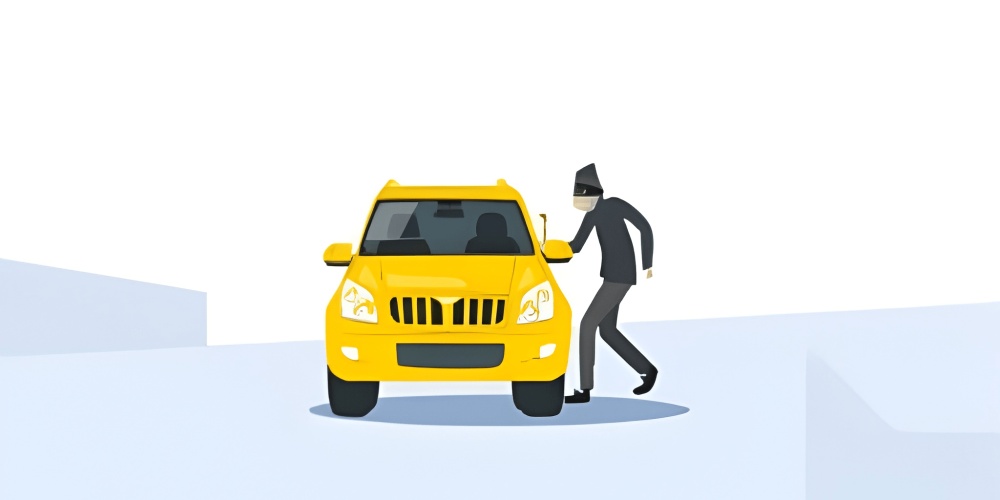
Owning a car brings convenience, freedom, and sometimes pride. But with this ownership comes certain risks, and one of the most alarming among them is vehicle theft. According to recent studies, car theft remains a major concern worldwide, with thousands of vehicles being stolen every day. While no one hopes their vehicle will be stolen, being prepared is crucial, and this is where car theft insurance plays an essential role.
Car theft insurance is designed to provide financial protection to car owners in case their vehicle is stolen or damaged due to theft-related incidents. In this article, we will explore what car theft insurance is, how it works, the types of coverage available, benefits, factors affecting premiums, and tips for choosing the right policy.
What is Car Theft Insurance?
Car theft insurance is a type of coverage offered under comprehensive car insurance policies. Unlike third-party liability insurance, which only covers damages caused to others, comprehensive insurance offers protection for your own vehicle against various risks, including fire, natural calamities, accidents, and theft.
When a car is stolen, the insurance provider compensates the policyholder according to the terms and conditions specified in the policy. This may include the full market value of the vehicle, the cost of repairs if it is recovered but damaged, or coverage for accessories that were stolen along with the car.
How Car Theft Insurance Works
Understanding how car theft insurance works can help you make informed decisions. Here’s the basic process:
- Purchase a Policy: You buy a comprehensive insurance policy that includes coverage for theft. Some policies might offer optional add-ons specifically targeting theft or anti-theft measures.
- Report the Theft: If your car is stolen, the first step is to lodge a police complaint immediately. This is mandatory, as the insurance company will require a copy of the First Information Report (FIR) before processing the claim.
- Notify the Insurer: Inform your insurance provider about the theft within the stipulated timeframe, usually 24–48 hours. Submit the FIR and other required documents such as your policy number, car registration, and proof of ownership.
- Claim Assessment: The insurer will assess your claim and may investigate the circumstances surrounding the theft. They may request additional documentation or information to verify the claim.
- Settlement: Once the claim is approved, the insurance company compensates you either with a cash settlement or by replacing the vehicle, depending on the terms of your policy.
It is important to note that insurance providers typically deduct a deductible or excess amount from the claim payout. This is the portion of the loss that the policyholder must bear.
Types of Car Theft Insurance Coverage
Car theft insurance coverage can vary depending on the insurer and the policy chosen. Below are some common types:
1. Comprehensive Car Insurance
Comprehensive car insurance is the most common type that covers car theft. It provides protection against:
- Total theft of the vehicle
- Attempted theft
- Theft of car accessories
- Damages caused during the theft incident
2. Add-on Coverage for Theft Protection
Some insurers offer optional add-ons for enhanced theft protection. These add-ons may include:
- Coverage for key replacement if your car keys are stolen
- Increased protection for high-value car accessories
- Coverage for vehicles stolen while parked in designated areas or under specified circumstances
3. New Car or Zero Depreciation Policies
New car insurance policies or zero depreciation policies can provide maximum coverage in case of theft. With zero depreciation, the insurer reimburses the full cost of the car without accounting for depreciation on parts, which can be particularly beneficial for newer vehicles.
Benefits of Car Theft Insurance
Investing in car theft insurance comes with several advantages:
1. Financial Protection
The most obvious benefit is financial security. Replacing a stolen car can be costly, and insurance ensures that you do not bear the entire loss out-of-pocket.
2. Peace of Mind
Knowing that you are protected against theft allows you to enjoy your vehicle without constant worry.
3. Coverage for Accessories
Many policies cover accessories such as GPS devices, stereos, and other valuable items, which are often prime targets for thieves.
4. Optional Roadside Assistance
Some comprehensive policies also offer roadside assistance, helping you in case of emergencies related to theft, such as lockouts or towing your car to a safe location.
Factors Affecting Car Theft Insurance Premiums
The cost of car theft insurance can vary depending on multiple factors. Understanding these factors can help you choose a policy that balances coverage with affordability.
1. Car Make and Model
Luxury cars or models that are more prone to theft generally attract higher premiums. Commonly stolen cars may also increase your insurance cost.
2. Vehicle Age
Older vehicles often have lower insurance premiums, but the payout in case of theft may also be lower due to depreciation.
3. Location
If you live in an area with a higher risk of car theft, your premiums are likely to be higher. Urban centers often have increased premiums compared to rural areas.
4. Security Features
Cars equipped with anti-theft devices like alarms, immobilizers, and GPS tracking systems may enjoy discounts on premiums.
5. Claim History
If you have previously made theft-related claims, insurers may consider you a higher risk, affecting your premium.
6. Policy Add-ons
Optional coverage such as zero depreciation, key replacement, and roadside assistance can also impact the cost of the insurance policy.
Steps to Make a Car Theft Insurance Claim
Filing a claim for car theft insurance requires prompt action and proper documentation. Here is a step-by-step guide:
- File a Police Report: Lodge an FIR at the nearest police station. Include details of the car, registration number, and any accessories stolen.
- Notify the Insurance Company: Inform your insurer immediately and submit all relevant documents.
- Submit Proof of Ownership: Provide documents such as the vehicle registration certificate, insurance policy, and purchase invoice.
- Cooperate with the Investigation: The insurer may investigate the theft, including checking the circumstances and location where the theft occurred.
- Receive Settlement: Once the claim is approved, you receive compensation based on the insured value of the car and any applicable deductions.
Tips to Reduce the Risk of Car Theft
While insurance is important, taking preventive measures can help reduce the risk of theft:
- Always park your car in secure, well-lit areas
- Install anti-theft devices like GPS trackers and immobilizers
- Never leave keys inside the car
- Lock the doors and windows at all times
- Avoid leaving valuables in plain sight
- Consider additional security features like steering wheel locks
Common Misconceptions About Car Theft Insurance
There are a few common myths surrounding car theft insurance that car owners should be aware of:
- Myth 1: Car theft insurance covers intentional damage – Most policies do not cover damages caused intentionally by the owner or someone authorized by the owner.
- Myth 2: Only luxury cars need theft insurance – Every car, regardless of price, is at risk of theft. Comprehensive coverage is advisable for all car owners.
- Myth 3: Reporting a lost car key is unnecessary – Modern policies often cover stolen keys, and reporting is essential to prevent unauthorized use of the vehicle.
Choosing the Right Car Theft Insurance Policy
Selecting the right insurance policy involves considering several aspects:
- Insured Declared Value (IDV): The IDV is the maximum sum the insurer will pay in case of theft. Ensure it reflects the true market value of your car.
- Deductible or Excess: Understand how much you will pay out-of-pocket in case of a claim.
- Policy Exclusions: Read the fine print to know what is not covered, such as theft while using the car for commercial purposes.
- Add-ons: Evaluate whether optional add-ons like zero depreciation or key replacement are worth the extra cost.
- Reputation of Insurer: Choose a reliable insurance provider with a strong claim settlement history.
Legal Aspects of Car Theft Insurance
Insurance policies are bound by regulations set by authorities such as the Insurance Regulatory and Development Authority of India (IRDAI) in India. Policyholders should be aware of legal obligations:
- Filing a police report promptly is mandatory.
- Providing accurate information during policy purchase is crucial; any false information can lead to claim rejection.
- Understanding terms like IDV, deductibles, and exclusions helps avoid disputes during claims.
Future Trends in Car Theft Insurance
With advancements in technology, car theft insurance is evolving. Some trends include:
- Telematics-Based Policies: Insurers are using GPS and telematics to monitor vehicles, which can help reduce theft risk and personalize premiums.
- Cybersecurity Coverage: Modern cars with smart features are susceptible to digital theft. Insurance policies are starting to include protection against hacking and remote theft.
- Dynamic Premiums: Premiums based on real-time data, such as driving habits and location risk, are becoming more common.
Conclusion
Car theft insurance is an essential safeguard for any car owner. While it cannot prevent theft entirely, it provides financial security and peace of mind, ensuring that you are not left burdened in the event of theft. By understanding the coverage options, factors affecting premiums, and claim process, you can choose the right policy that meets your needs. Additionally, taking preventive measures like installing security devices and parking in safe areas can reduce the likelihood of theft.
Ultimately, investing in a comprehensive car theft insurance policy is a responsible choice that protects both your vehicle and your finances.
FAQs on Car Theft Insurance
Q1. Does car theft insurance cover partial theft or only complete theft?
A1. Most policies cover both complete theft and theft of parts or accessories, provided they are listed in the policy.
Q2. What documents are required to file a car theft insurance claim?
A2. Essential documents include a copy of the FIR, car registration certificate, insurance policy, proof of ownership, and a detailed list of stolen items.
Q3. How long does it take to settle a car theft insurance claim?
A3. The settlement time varies depending on the insurer and investigation complexity. Typically, it ranges from a few weeks to a few months.
Q4. Can I claim insurance if my car is stolen while parked on the street?
A4. Yes, theft coverage applies regardless of where the car was parked, as long as it was legally parked and precautions were taken.
Q5. Will the insurance payout be affected by depreciation?
A5. Standard comprehensive policies account for depreciation, but zero depreciation or new car policies reimburse the full value without deduction.
Q6. Does installing an anti-theft device reduce my premium?
A6. Yes, insurers often offer discounts for vehicles equipped with approved anti-theft devices, which lowers the risk for the insurer.
Q7. What is the difference between car theft insurance and comprehensive insurance?
A7. Car theft insurance is usually a component of comprehensive insurance. Comprehensive insurance covers theft along with accidents, natural disasters, and fire damages.
Q8. Can a stolen car be insured again after recovery?
A8. Yes, once recovered, you can continue coverage. The insurer may assess the car’s condition and adjust the policy terms accordingly.
















Leave A Comment
0 Comment