

Buying a new car is an exciting milestone. The shiny exterior, the latest technology, and the thrill of driving a brand-new vehicle bring a sense of pride and responsibility. However, owning a new car also comes with its set of obligations, one of the most critical being car insurance. New car insurance is not just a legal requirement in many countries—it is also a financial safety net that protects your investment. In this article, we will explore everything you need to know about new car insurance, from its importance to choosing the best policy and filing claims.
What is New Car Insurance?
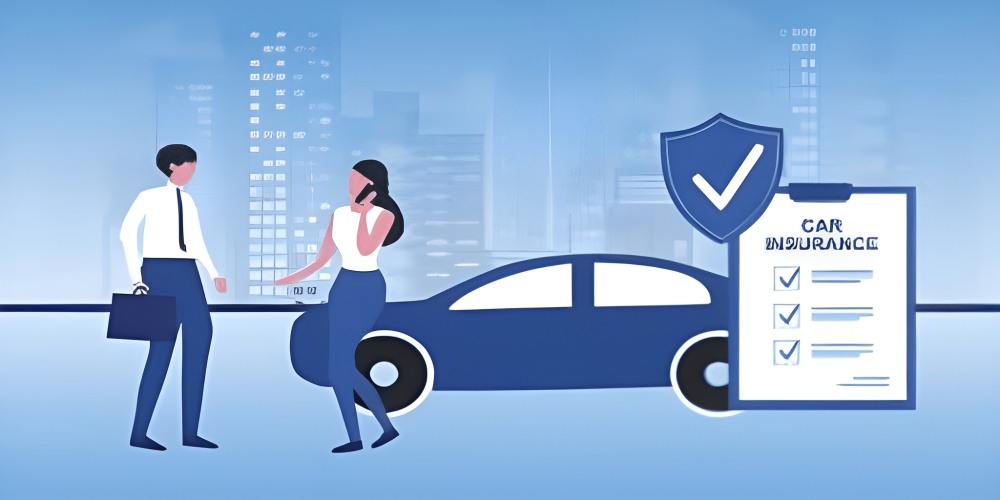
New car insurance is a type of policy specifically designed to protect vehicles that are recently purchased. Unlike used car insurance, which may have coverage options based on the vehicle’s age and depreciation, new car insurance often provides comprehensive coverage, ensuring maximum protection for your vehicle against unforeseen circumstances such as accidents, theft, natural calamities, and third-party liabilities.
The primary goal of new car insurance is to minimize financial loss in case of damage or loss of the vehicle. When buying a new car, it’s crucial to select a policy that covers a wide range of risks to ensure that your investment is safeguarded.
Why New Car Insurance is Essential
- Legal Requirement: In most countries, having at least third-party car insurance is mandatory to legally drive on the roads. Third-party insurance covers damages or injuries caused to another person or their property.
- Protection Against Financial Loss: New cars are expensive, and repairs or replacements can be costly. Comprehensive insurance ensures that you don’t have to bear the entire financial burden in case of an accident or theft.
- Peace of Mind: Driving a new car comes with excitement but also anxiety about potential damage. Insurance provides peace of mind knowing that you are protected.
- Covers Various Risks: Modern insurance policies for new cars cover accidents, natural disasters, fire, theft, vandalism, and even personal accident cover for the driver.
- Supports Loan Financing: If you finance your car through a bank or financial institution, most lenders require you to have comprehensive insurance before approving a loan. This protects both the lender and the owner.
Types of New Car Insurance
New car insurance policies can generally be categorized into two main types:
1. Comprehensive Car Insurance
Comprehensive insurance provides extensive coverage for both your vehicle and third-party liabilities. It protects against:
- Accidents or collisions
- Fire or explosion
- Theft or burglary
- Natural disasters (flood, earthquake, cyclone)
- Vandalism or riots
- Personal accident coverage for the driver
This type of insurance is ideal for new car owners as it ensures the maximum protection of the vehicle and its owner.
2. Third-Party Liability Insurance
Third-party insurance is the minimum legal requirement in most countries. It covers:
- Damage to other people’s property
- Injuries or death caused to another person
While this insurance is cheaper, it does not cover damages to your own car. Therefore, for new cars, it is usually recommended to opt for comprehensive coverage.
Factors Affecting New Car Insurance Premiums
The cost of new car insurance depends on several factors:
- Car Make and Model: High-end or luxury cars usually have higher premiums due to expensive spare parts and repair costs.
- Car Age: New cars are more expensive to insure than older cars because their replacement value is higher.
- Location: Insurance premiums vary based on your city or region. Areas with higher accident or theft rates generally have higher premiums.
- Driving History: A driver with a clean record typically pays lower premiums than someone with a history of accidents or traffic violations.
- Coverage Type: Comprehensive insurance costs more than third-party insurance due to the extensive protection it provides.
- Add-On Covers: Optional add-ons like zero depreciation, engine protection, roadside assistance, and natural calamity coverage can increase the premium.
Understanding these factors helps in choosing the right policy while balancing coverage and cost.
Popular Add-Ons for New Car Insurance
New car insurance policies often include optional add-ons that enhance coverage. Some popular add-ons include:
- Zero Depreciation Cover: Ensures full claim settlement without deducting depreciation on parts replaced. Essential for new cars.
- Roadside Assistance: Provides support in case of breakdowns, flat tires, or emergencies.
- Engine and Gearbox Protection: Covers damage to engine or gearbox due to accidents or water ingress.
- Return to Invoice Cover: Pays the full invoice amount of the car in case of total loss, including registration and taxes.
- Consumables Cover: Covers the cost of consumable items like engine oil, brake oil, and nuts and bolts.
Selecting the right add-ons depends on your car’s value, usage, and risk factors.
Tips to Reduce New Car Insurance Premiums
While insurance is crucial, you can adopt strategies to lower your premiums without compromising coverage:
- Compare Policies: Use online comparison platforms to evaluate premiums, coverage, and customer reviews.
- Choose Higher Deductibles: Opting for a higher voluntary deductible reduces the premium.
- No-Claim Bonus (NCB): Maintain a claim-free record to enjoy discounts on renewal premiums.
- Install Anti-Theft Devices: Cars with GPS tracking, immobilizers, and alarms may get lower premiums.
- Avoid Over-Insuring: Insure your car for its actual market value instead of an inflated amount.
Being proactive and understanding your policy can save money over the long term.
How to Choose the Best New Car Insurance
Selecting the right insurance requires careful evaluation:
- Coverage: Ensure the policy covers all potential risks your car may face.
- Premiums: Compare different policies to find a balance between cost and coverage.
- Add-Ons: Evaluate optional covers based on your car type, usage, and location.
- Insurer Reputation: Choose a reliable insurer with a good claim settlement ratio and customer service.
- Flexibility: Look for policies with easy renewal processes and customizable coverage.
A well-chosen policy provides comprehensive protection while giving you financial peace of mind.
Steps to Buy New Car Insurance
Buying new car insurance is straightforward if you follow these steps:
- Evaluate Needs: Determine the type of coverage and add-ons you need.
- Compare Policies: Check multiple insurance providers for premiums and benefits.
- Check Insurer Reputation: Look for insurers with high claim settlement ratios and positive customer reviews.
- Provide Accurate Details: Ensure all information like car model, registration, and driving history is correct.
- Pay Premium: Complete the purchase online or offline by paying the required premium.
- Receive Policy Document: Obtain the digital or physical policy certificate and keep it safe.
How to File a Claim for New Car Insurance
In case of an accident or damage, filing a claim is crucial to get your vehicle repaired. Here’s how it works:
- Inform the Insurer: Notify your insurance company as soon as possible.
- Document the Damage: Take photos and record details of the accident or damage.
- File Claim: Submit a claim request online or at the insurance office.
- Assessment: The insurer will appoint a surveyor to assess the damage.
- Repair or Settlement: Once approved, repairs are done at an authorized garage, or the insurer settles the cost directly.
- Deductibles: Pay any deductible amount if applicable.
Timely and accurate filing ensures smooth claim processing.
Common Myths About New Car Insurance
- “I Only Need Third-Party Insurance for a New Car” – While legal, third-party insurance does not protect your vehicle. Comprehensive insurance is highly recommended.
- “Claims Will Increase Premiums Significantly” – Insurers offer a No-Claim Bonus to reward claim-free policyholders. Occasional claims may not drastically increase premiums.
- “Older Cars Don’t Need Add-Ons” – Some add-ons like roadside assistance or engine protection are beneficial even for used cars.
- “Insurer Choice Doesn’t Matter” – The claim settlement ratio and service quality of the insurer are crucial for hassle-free claims.
Understanding these myths helps car owners make informed decisions.
Benefits of Insuring Your New Car Early
Insuring your car immediately after purchase offers multiple advantages:
- Avoids Legal Penalties: Driving an uninsured car can lead to fines or license suspension.
- Covers Factory Damage: Some policies cover damages that may occur during transportation or delivery.
- Maximizes No-Claim Benefits: Early insurance ensures you start building your no-claim bonus from day one.
- Peace of Mind: You can drive without worrying about financial loss due to accidents or theft.
Conclusion
New car insurance is an essential investment for protecting your vehicle, finances, and peace of mind. By understanding the types of coverage, premium factors, add-ons, and the claims process, you can choose a policy that best suits your needs. Whether it is comprehensive insurance or third-party liability coverage, the key is to ensure your new car is adequately protected. Always compare multiple insurers, read the policy terms carefully, and consider optional add-ons to maximize protection. Early and informed insurance decisions ensure that your new car remains a source of joy, not financial stress.
FAQs About New Car Insurance
1. Is new car insurance mandatory?
Yes, in most countries, at least third-party liability insurance is mandatory by law. Comprehensive insurance, though optional, is highly recommended for new cars.
2. What is the difference between comprehensive and third-party insurance?
Comprehensive insurance covers both your car and third-party liabilities, while third-party insurance only covers damages or injuries caused to others.
3. Can I insure my car immediately after purchase?
Yes, it’s advisable to insure your car as soon as you buy it to avoid legal issues and to protect against damages from day one.
4. What factors affect the premium of new car insurance?
Car make and model, location, driving history, coverage type, and optional add-ons are major factors affecting premiums.
5. What is a zero depreciation cover?
Zero depreciation cover ensures that no depreciation is deducted on parts replaced during a claim, allowing full reimbursement.
6. Are add-ons necessary for new car insurance?
Add-ons are optional, but many like zero depreciation, roadside assistance, and return-to-invoice coverage can provide additional financial protection.
7. How can I reduce my new car insurance premium?
Comparing policies, opting for higher deductibles, maintaining a clean driving record, and installing anti-theft devices are effective ways to lower premiums.
8. What should I do if my car is damaged?
Immediately inform your insurer, document the damage, file a claim, and get your vehicle assessed and repaired at an authorized garage.
9. Can I transfer my car insurance to a new owner?
Yes, most insurers allow the transfer of car insurance to a new owner when the vehicle is sold.
10. Is it necessary to insure my financed car?
Yes, lenders generally require comprehensive insurance to protect their financial interest in the vehicle.














Leave A Comment
0 Comment