
In today’s fast-paced world, owning a bike isn’t just a convenience—it’s a necessity. Whether you use it for your daily commute or weekend adventures, your bike is a valuable asset that deserves protection. That’s where bike insurance comes into play. This comprehensive guide will take you through everything you need to know about two-wheeler insurance in 2025, from the types of coverage available to the benefits, claim process, tips to lower premiums, and more.
What is Bike Insurance?
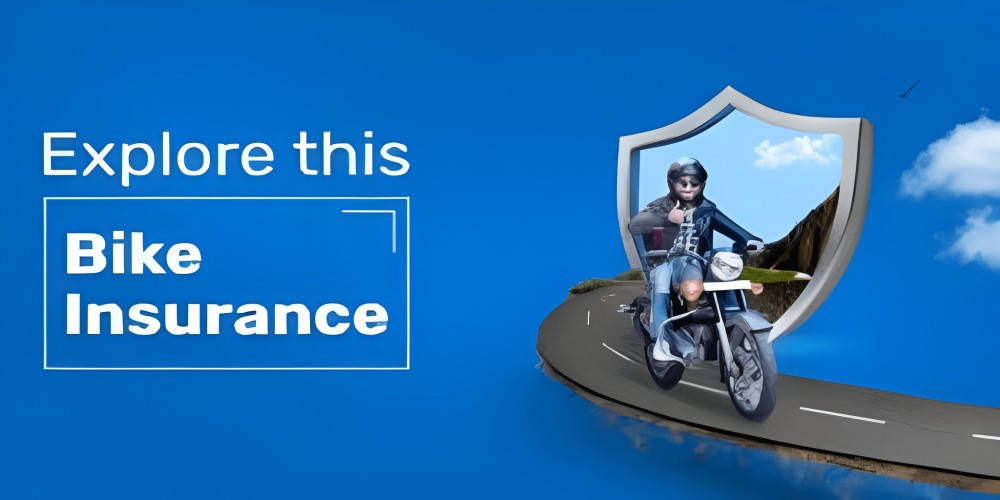
Bike insurance is a contract between the bike owner and an insurance provider where the insurer agrees to offer financial protection against damages or losses involving the bike, its rider, and third-party liabilities. It’s not just a smart choice—it’s a legal requirement in most countries, including India.
Bike insurance ensures that you are financially covered in case of accidents, theft, fire, natural calamities, man-made disasters, or third-party damages. In return, you pay a premium annually or for multiple years, depending on the policy type.
Why is Bike Insurance Important?
There are several reasons why bike insurance is essential for every bike owner:
- Legal Compliance: It is mandatory under the Motor Vehicles Act, 1988 in India to have at least third-party insurance.
- Financial Protection: It covers repair and replacement costs in case of accidents or disasters.
- Third-Party Liability Coverage: It covers injuries or damages caused to another person or their property.
- Theft Coverage: If your bike gets stolen, comprehensive coverage reimburses the bike’s value.
- Peace of Mind: Knowing that you’re financially secure in case of emergencies brings immense mental relief.
Types of Bike Insurance in India
Bike insurance broadly falls into two categories:
1. Third-Party Bike Insurance
This is the most basic type of bike insurance mandated by law. It covers:
- Damage to third-party property
- Injury or death of a third party
However, it does not cover damages to your own bike or yourself. The premium is regulated by the IRDAI (Insurance Regulatory and Development Authority of India).
2. Comprehensive Bike Insurance
This type of insurance provides complete protection and includes:
- Third-party liability
- Own damage (OD) cover
- Theft, fire, and natural calamities
- Add-ons for enhanced coverage
Though it is slightly costlier than third-party insurance, the benefits far outweigh the cost.
Key Features of Bike Insurance
- Personal Accident Cover: Most policies offer personal accident cover for the owner-driver. This includes compensation in case of permanent disability or death.
- Cashless Garages: Insurers tie up with a network of garages to offer cashless repairs, making it convenient for policyholders.
- No Claim Bonus (NCB): If you don’t make any claim during the policy year, you earn an NCB which gives you a discount on the next premium.
- Add-on Covers: You can enhance your base policy by choosing additional covers like zero depreciation, engine protection, roadside assistance, and pillion rider cover.
- Instant Policy Issuance: With digitization, you can now purchase bike insurance online in minutes without any paperwork.
Add-Ons to Consider in Bike Insurance
Add-on covers give you extra protection by offering specific benefits. Here are some popular ones:
Zero Depreciation Cover
This ensures that you get the full claim amount without considering depreciation on parts like plastic, fiber, or rubber.
Engine Protection Cover
Covers engine damage caused by water ingress, oil leakage, or mechanical issues—not covered in standard policies.
Roadside Assistance
Offers help in case of a breakdown with services like towing, fuel delivery, and battery jump-start.
Consumables Cover
Reimburses costs for nuts, bolts, oil, and other consumables used during repair.
Return to Invoice
In case of total loss or theft, it helps you get the invoice value (original purchase price) of the bike.
How to Choose the Best Bike Insurance Policy
With multiple insurers in the market, it’s important to choose a plan that suits your needs. Here’s what you should consider:
- Coverage Offered: Go beyond just third-party liability and look for comprehensive coverage.
- Premium Cost: Compare premiums from various insurers, but don’t compromise on benefits.
- Claim Settlement Ratio (CSR): A high CSR indicates that the insurer settles claims reliably.
- Cashless Garage Network: Ensure the insurer has tie-ups with garages near your location.
- Customer Reviews: Check online reviews and ratings for service quality and claim process.
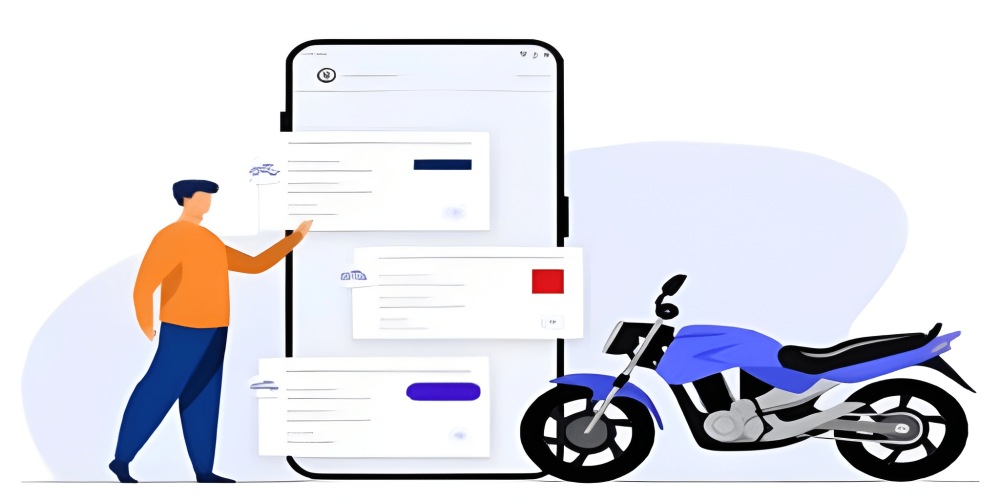
- Digital Services: Online purchase, renewals, and claim filing make managing insurance effortless.
How to Buy Bike Insurance Online
Buying bike insurance online is quick and hassle-free. Here's a step-by-step guide:
- Visit an insurer’s website or a comparison portal.
- Enter your bike registration number and personal details.
- Choose the desired policy type (third-party or comprehensive).
- Select add-ons if required.
- Compare quotes and choose the best deal.
- Make payment using a secure payment method.
- Receive the digital copy of your policy instantly via email.
Documents Required for Bike Insurance
When purchasing or renewing bike insurance, keep these documents handy:
- Bike registration certificate (RC)
- Previous insurance policy (if applicable)
- Government-issued ID proof
- Passport-size photograph
- Pollution Under Control (PUC) certificate
How to File a Bike Insurance Claim
Filing a claim involves the following steps:
- Inform the Insurer: Contact your insurer immediately after an incident.
- Lodge an FIR: In case of theft or third-party damage, file a First Information Report.
- Documentation: Submit claim form, RC, insurance copy, driving license, and repair bills.
- Inspection: A surveyor inspects the bike before repairs start.
- Approval and Repair: On approval, you can get repairs done at a network garage for cashless service.
- Reimbursement: If repairs are done outside, submit bills for reimbursement.
Tips to Lower Your Bike Insurance Premium
Here are smart ways to reduce your premium without compromising on coverage:
- Opt for Higher Deductibles: Voluntarily choose a higher deductible to lower your premium.
- Avoid Small Claims: Preserve your No Claim Bonus for bigger discounts.
- Install Anti-Theft Devices: Get certified anti-theft devices to avail discounts.
- Join Recognized Riding Groups: Membership of IRDAI-approved biking groups may offer premium concessions.
- Compare Policies: Don’t auto-renew—always compare before purchasing.
Bike Insurance Renewal – Don’t Miss the Deadline!
Bike insurance must be renewed before it expires to continue receiving benefits and avoid penalties. Most policies are valid for one year or up to five years. Renewal on time:
- Keeps you legally compliant
- Preserves your No Claim Bonus
- Avoids inspection requirements
You can renew online in minutes by entering your old policy number and bike details.
Electric Bike Insurance in 2025 – A New Frontier
With the growing adoption of electric vehicles (EVs), electric bike insurance is becoming essential. EVs have different components like battery packs and chargers which need special consideration in insurance policies.
EV insurance may include:
- Battery protection cover
- Charging cable cover
- Third-party liability
- Own damage cover
- Roadside assistance
Government incentives and low running costs make EV bikes popular, and insurance providers are tailoring plans to cater to this trend.
Common Exclusions in Bike Insurance
It’s important to know what your policy does not cover:
- Regular wear and tear
- Electrical/mechanical breakdown not caused by accidents
- Riding without a valid driving license
- Driving under the influence of alcohol or drugs
- Unauthorized usage or racing
- Using the bike for commercial purposes (if not declared)
Reading the fine print helps you understand these exclusions in detail.
Bike Insurance for Second-Hand Bikes
If you're buying a second-hand bike, you can transfer the existing insurance or buy a new one. Things to remember:
- Ownership must be updated in the RC
- Inform the insurer for policy transfer within 14 days
- Get the bike inspected if required
- Add your name and updated details to the insurance document
Benefits of Long-Term Bike Insurance
Instead of renewing annually, many insurers offer long-term policies for two to five years. Benefits include:
- Avoiding yearly renewals
- Locking premium rates
- No loss of coverage due to policy lapse
- Hassle-free documentation
- Better discounts and offers
Long-term insurance is especially useful for new bikes or for those who prefer less paperwork.
FAQs on Bike Insurance
Q1: Is bike insurance mandatory in India?
Yes, according to the Motor Vehicles Act, having at least a third-party insurance policy is mandatory for all two-wheelers plying on Indian roads.
Q2: What is the difference between third-party and comprehensive bike insurance?
Third-party insurance covers only damages to others, while comprehensive insurance covers third-party liability and own damage due to accidents, theft, natural calamities, and more.
Q3: What happens if I don’t renew my bike insurance?
Your bike becomes uninsured, and you’ll be liable for legal penalties. You’ll also lose your No Claim Bonus and may need to undergo a fresh inspection.
Q4: Can I transfer bike insurance to a new owner?
Yes, insurance can be transferred to the new owner when selling a bike. The insurer must be informed, and documents like the sale agreement and RC transfer are needed.
Q5: How is bike insurance premium calculated?
Premiums are based on factors such as the bike's age, engine capacity, location, IDV (Insured Declared Value), previous claims, and add-on covers chosen.
Q6: What is No Claim Bonus (NCB) in bike insurance?
NCB is a discount offered on the premium for every claim-free year. It starts at 20% and can go up to 50% over five years.
Q7: Can I buy bike insurance without inspection?
Yes, if you buy or renew insurance within the due date. However, for expired policies or used vehicles, the insurer may request an inspection.
Q8: Is online bike insurance safe?
Absolutely. Buying bike insurance online from verified insurers or aggregators is secure and offers quick policy issuance with customer support.
Q9: How do I claim for a stolen bike?
File an FIR immediately, inform your insurer, and submit necessary documents. After verification, the insurer will pay the IDV (Insured Declared Value) as compensation.
Q10: Can I switch insurers during bike insurance renewal?
Yes, you can switch insurers at the time of renewal without losing your NCB. Always compare policies to get better deals.
Final Thoughts
Bike insurance is a vital shield that protects you, your vehicle, and others on the road. In an era where unexpected mishaps and rising repair costs are common, having a robust insurance policy ensures that you’re always prepared. Whether you ride a petrol bike or an electric two-wheeler, choosing the right insurance with adequate coverage and reliable service should never be overlooked. Make smart decisions, ride responsibly, and let your insurance handle the uncertainties.








Leave A Comment
0 Comment